Types of Exhibitions You Can Take Online (And How to Make Them Work Virtually)

It’s funny, when most people hear the word exhibition, they picture a giant hall buzzing with chatter, those glossy booths with perfectly aligned brochures, and someone handing out hundreds of branded tote bags. That’s the traditional scene, right? But over the last few years, things have shifted.
Now, with virtual event platforms, you can bring that same energy online without hunting down a venue or worrying about whether the AC will hold up. Not to mention, they’re much easier on the budget, way more accessible, and the reach? Massive.
In this article, we’ll walk through all the different types of exhibitions you can take online, from art to tech to community showcases, and how each one comes to life in a virtual space.
{{table-of-contents}}
Why Move Your Exhibition Online?
If you’ve ever organized an in-person exhibition, you know it can feel like juggling flaming torches while riding a unicycle. You’re dealing with venue layouts, booth deliveries, travel schedules, and someone always asks where the extra extension cords are. Taking your exhibition online strips away so much of that chaos and opens up opportunities you just can’t get in a physical space.
Here’s what going virtual makes possible:
- A wider reach: You’re no longer limited by geography. People can join from anywhere.
- Lower operational costs: No venue rentals, shipping fees, or expensive last-minute “we need more signs” rush orders.
- Flexible formats: Run live sessions, hybrid setups, on-demand content, or interactive multimedia galleries that go way beyond static booths.
- Better accessibility and inclusivity: Anyone with an internet connection can participate, including people who might not be able to attend in person.
- Exhibits you couldn’t host physically: Huge installations, delicate artifacts, or digital spaces that exist only online can finally take center stage.
Going virtual doesn’t just replicate an exhibition. It expands it. It gives you new ways to showcase work, connect with people, and create an experience that feels alive in its own way.
The Types of Exhibitions You Can Take Online
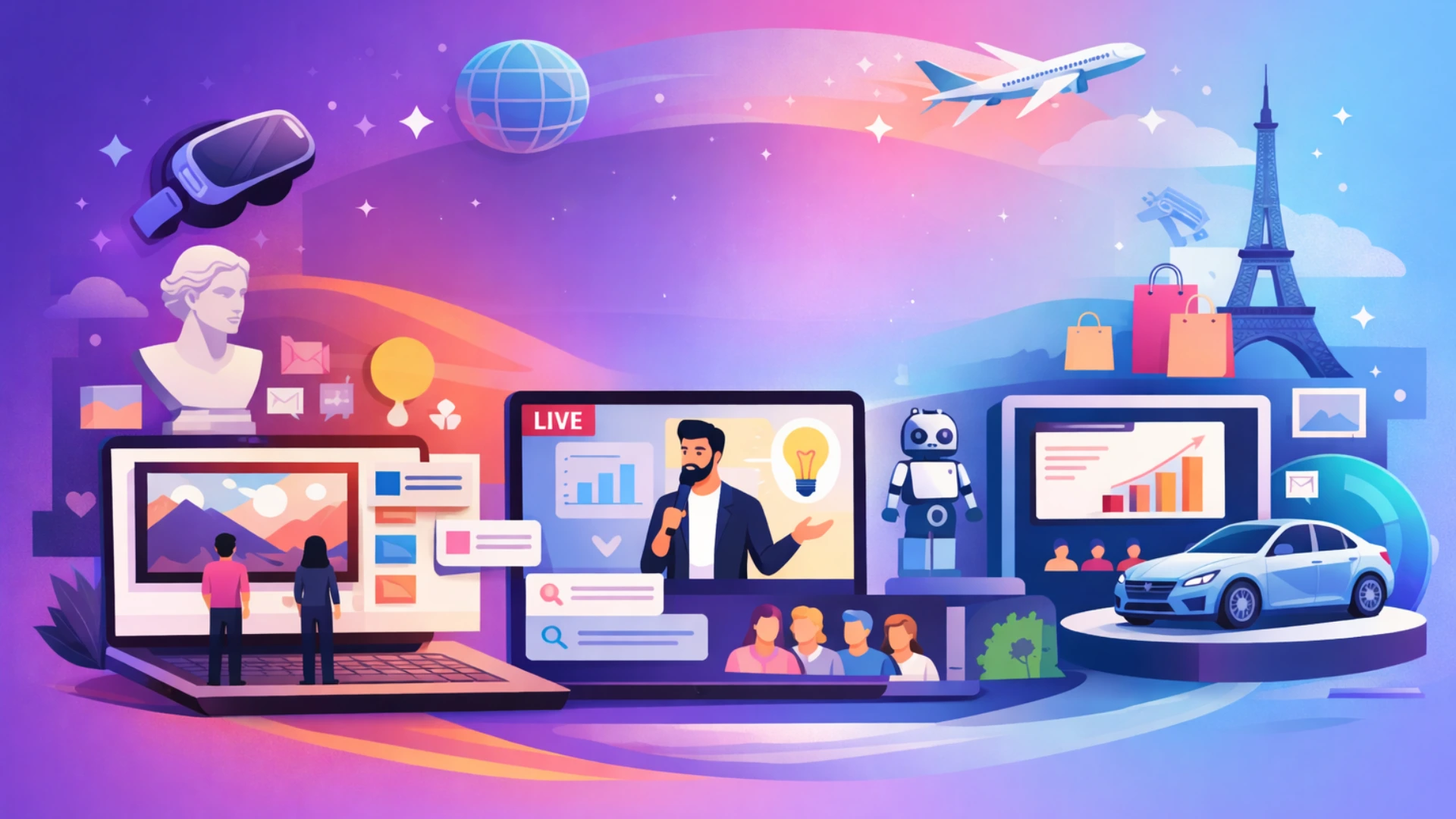
When people talk about bringing exhibitions online, the biggest concern is usually that they’ll feel flat or “not real enough.” In practice, many organizers find the opposite. According to ElectroiQ, 74% of companies that moved to virtual events reported higher attendance than their in-person versions.
Before diving into the different types of online exhibitions, it’s worth noting that these formats aren’t rigid or mutually exclusive. Most virtual exhibitions combine multiple elements depending on the goals of the event, the audience, and the kind of experience you want to create.
1. Art Exhibitions (Digital Galleries)
There’s something magical about walking through a gallery, but a virtual art exhibition has its own charm. You can create branded spaces and immersive floor plans that feel calm and intentional, while opening the doors to anyone, anywhere, no velvet ropes or “do not touch” signs required.
How to bring art exhibitions online:
- High-resolution digital galleries: Design clean, uncluttered layouts where attendees can pause, zoom in, and explore each piece in detail, without distractions or physical limitations.
- 3D rooms and curated paths: Create virtual rooms that guide visitors through collections, mimicking the flow of a museum and helping tell a cohesive story through the art.
- Intentional floor plans: Use spacing, room transitions, and visual cues to create a peaceful viewing experience that encourages slower, more thoughtful engagement.
2. Tech Exhibitions & Product Showcases
Tech exhibitions are some of the easiest virtual exhibitions to bring online because so much of the experience already lives in the digital world. A virtual tech showcase feels like a large-scale demo day, with space to explore, test, and compare products at your own pace.
How to bring tech exhibitions online:
- Clickable, software-driven demos: Let attendees interact with live products, sandboxes, or simulated environments, not just watch videos or read specs.
- Live technical walkthroughs with Q&A: Run real-time demos led by product teams or engineers, where attendees can ask detailed, use-case-specific questions.
- Versioned and on-demand product content: Showcase multiple product versions, integrations, or roadmaps in parallel, something that would be difficult to manage on a physical show floor.
3. Photography Exhibitions
Photography naturally translates to a virtual format. An online photography exhibition feels personal because attendees can slow down, zoom in, and spend time with each image and its story.
How to bring photography exhibitions online:
- High-resolution, zoomable displays: Allow attendees to explore fine details, textures, and framing that are often hard to see in a physical gallery setting.
- Lightbox and full-screen viewing modes: Create distraction-free moments where a single image takes center stage, encouraging deeper focus.
- Story-driven context: Pair images with captions, audio notes, or behind-the-shot insights to add emotion, meaning, and narrative flow.
4. Trade Shows
Trade shows can feel overwhelming in person, with noisy halls, endless booths, and constant distractions. A virtual trade show keeps the energy of discovery while making it easier for attendees to explore, connect, and move at their own pace.
How to bring trade shows online:
- Multi-vendor exhibition halls: Organize exhibitors into clearly defined digital halls so attendees can browse categories, compare vendors, and discover new brands without feeling rushed.
- Free-flow networking spaces: Use virtual tables or open networking areas that let attendees move between conversations naturally, recreating the spontaneity of a trade show floor.
- Branded virtual booths: Give exhibitors customizable spaces for demos, content, and conversations, without the cost, shipping, or setup required for physical booths.
5. Fashion Exhibitions & Runway Showcases
Fashion exhibitions can be striking online, combining movement, storytelling, and visual detail in ways that feel polished and intentional. A virtual format makes it easier to showcase collections without the logistical pressure of a physical runway.
How to bring fashion exhibitions online:
- Virtual runway presentations: Use pre-recorded or live-streamed runway shows with cinematic camera angles and controlled pacing to highlight each look.
- Interactive digital lookbooks: Let attendees browse collections piece by piece, zoom in on fabrics, and revisit designs on their own time.
- Behind-the-scenes content: Share designer notes, styling breakdowns, and process clips that add depth and context beyond the final walk.
.webp)
6. Education & Academic Exhibitions
Academic exhibitions often involve a lot of ideas in a small space. Moving them online creates a more focused environment where projects, research, and presentations are easier to explore and engage with, making learning feel both organized and accessible.
How to bring education and academic exhibitions online:
- Digital poster sessions: Give students and researchers dedicated spaces to upload posters, diagrams, papers, and short explainer videos that attendees can review at their own pace.
- Structured presentation stages: Host research talks and symposium sessions with clear agendas, slide support, and live Q&A to keep discussions organized and productive, using dedicated presentation modes designed for academic sessions.
- Project-based exhibition spaces: Group related projects into themed areas so attendees can move through topics logically instead of navigating crowded halls.
7. Cultural & Heritage Exhibitions
Cultural and heritage exhibitions translate especially well to digital spaces, where stories can unfold through layered media and guided exploration. An online format allows visitors to move through history in a more personal and self-paced way.
How to bring cultural and heritage exhibitions online:
- Audio-led storytelling and guides: Use narrated tours and voiceovers to add context, emotion, and depth as visitors move through exhibits.
- Interactive timelines and pathways: Let attendees explore events, eras, or themes in a non-linear way, following their own curiosity.
- Digitized archival collections: Showcase photographs, documents, artifacts, and recordings safely and in high detail, without the limits of physical preservation.
8. Business & Industry Exhibitions
Business and industry exhibitions are familiar formats, but moving them online makes them more efficient, scalable, and easier to manage. A virtual setting simplifies discovery, conversations, and content delivery without losing the professional feel.
How to bring business and industry exhibitions online:
- Structured vendor and sponsor halls: Organize exhibitors into clear categories so attendees can quickly find relevant companies and offerings.
- Live panels and industry talks: Host discussions with speakers from different regions, supported by moderated Q&A and session recordings.
- Integrated meeting and follow-up tools: Enable private conversations, lead capture, and post-event connections directly within the exhibition space.
9. Career & Job Exhibitions
Career and job exhibitions have adapted especially well to virtual formats, making the experience more approachable for job seekers and more efficient for recruiters. A virtual event removes much of the pressure while keeping conversations focused and productive, allowing recruiters to connect with more candidates and job seekers to feel more at ease.
How to bring career and job exhibitions online:
- Centralized resume submissions: Allow attendees to upload digital resumes in one place so recruiters can review candidates without juggling paper or follow-ups.
- Scheduled one-on-one conversations: Enable private chats or video interviews that feel more personal than a crowded booth environment.
- Built-in interview scheduling: Let recruiters and candidates book interviews directly, removing long waits and coordination issues.
10. Healthcare & Medical Exhibitions
Healthcare and medical exhibitions often involve complex information and detailed demonstrations. Moving these events online creates a more organized environment where attendees can focus on learning without distractions.
How to bring healthcare and medical exhibitions online:
- Interactive device demonstrations: Use 360-degree models, annotated visuals, and guided walkthroughs to explain medical devices and tools in detail.
- Digital scientific posters and sessions: Host research posters, case studies, and CME-style sessions in a structured format that supports clear viewing and discussion.
- On-demand access to technical content: Make sessions, demos, and materials available for replay so attendees can revisit information at their own pace.
11. Automotive & Manufacturing Exhibitions
Automotive and manufacturing exhibitions often rely on scale and detail, which can be difficult to manage in physical spaces. Virtual formats make it possible to showcase large products clearly, without the logistical challenges of transport and setup.
How to bring automotive and manufacturing exhibitions online:
- 360-degree product exploration: Let attendees rotate vehicles or machinery and examine components from every angle, something rarely possible on a show floor.
- Virtual walkthroughs and guided demos: Use narrated videos and step-by-step tours to explain functionality without the need for physical test rigs.
- Layered technical specifications: Present specs, schematics, and use cases alongside visuals so attendees can explore details at their own pace.
12. Tourism & Travel Exhibitions
Tourism and travel exhibitions translate especially well to virtual formats, where destinations can be explored visually and at scale. An online experience makes it easy to spark curiosity and inspire travel without physical limits.
How to bring tourism and travel exhibitions online:
- Immersive destination showcases: Use high-quality video and visual storytelling to highlight cities, landscapes, attractions, and local experiences.
- Interactive photo and media galleries: Let attendees explore destinations at their own pace through curated images, short clips, and themed collections.
- Guided virtual tours and itineraries: Walk visitors through sample trips, cultural routes, or festival experiences to help them imagine being there.
13. Nonprofit & Community Exhibitions
Nonprofit and community exhibitions often center on storytelling and connection. Bringing them online makes it easier to share impact, reach broader audiences, and create space for meaningful engagement.
How to bring nonprofit and community exhibitions online:
- Story-driven digital galleries: Combine photos, videos, and testimonials to clearly communicate impact and bring stories to life.
- Live conversations and panels: Host discussions with organizers, beneficiaries, or partners to create transparency and human connection.
- Integrated engagement touchpoints: Enable donations, sign-ups, and follow-up actions directly within the exhibition experience.
14. Food & Beverage Exhibitions
Food and beverage exhibitions are rooted in in-person tasting, and that part doesn’t fully translate online. What virtual formats can do, however, is extend the experience beyond the show floor. By shifting the focus to storytelling, education, and product context, online components can help you reach wider audiences and deepen engagement before or after an in-person event.
How to bring food and beverage exhibitions online:
- Ingredient- and process-led demos: Use videos and walkthroughs to showcase ingredients, sourcing, preparation methods, and product pairings that add context to the tasting experience.
- Live chef or expert sessions: Host interactive cooking demos, tastings, or talks where attendees can ask questions and learn directly from chefs, makers, or brand experts.
- Complementary tasting experiences: Support virtual sessions with sample boxes, tasting kits, or product bundles sent ahead of time so attendees can follow along from home.
15. Startup or Innovation Exhibitions
Startup and innovation exhibitions are especially well suited to virtual formats, where ideas, products, and pitches can reach global audiences without geographic limits. Online environments make it easier to showcase momentum and connect with investors at scale.
How to bring startup and innovation exhibitions online:
- Live pitch stages with Q&A: Host real-time founder pitches followed by structured Q&A to encourage meaningful investor conversations.
- Focused startup showcase spaces: Create simple, dedicated areas where teams can share their product, traction, and vision without distraction.
- On-demand pitch content: Make recorded pitches, decks, and founder profiles available so investors can explore opportunities on their own time.
By now, you’ve probably noticed something. Every one of these virtual event types has its own personality. A virtual art gallery feels calm and reflective, while a tech showcase has that fast-paced, “let me show you something cool” energy.
But no matter which format you choose, the real magic isn’t just in what you’re exhibiting. It’s in how you bring the whole experience together. That’s the part that turns a simple digital space into something people actually enjoy, and remember.
What Makes a Virtual Exhibition Successful?
Once you know the different types of exhibitions you can bring online, the next step is figuring out what actually makes the experience work. Because even the best content can fall flat if the virtual space feels confusing or lifeless. A successful online exhibition isn’t about copying what happens in a convention hall, it’s about creating a digital environment that feels accessible, intuitive, and inviting.
Here’s a quick breakdown of the core elements that shape a great virtual exhibition:
A virtual exhibition becomes successful when attendees forget they’re “just online.” When navigation feels natural, booths feel alive, and people can actually talk to each other, the whole experience starts to feel almost effortless. And that’s the goal, creating a digital space where people don’t just scroll… they participate.
Tools & Features That Help Bring Exhibitions Online
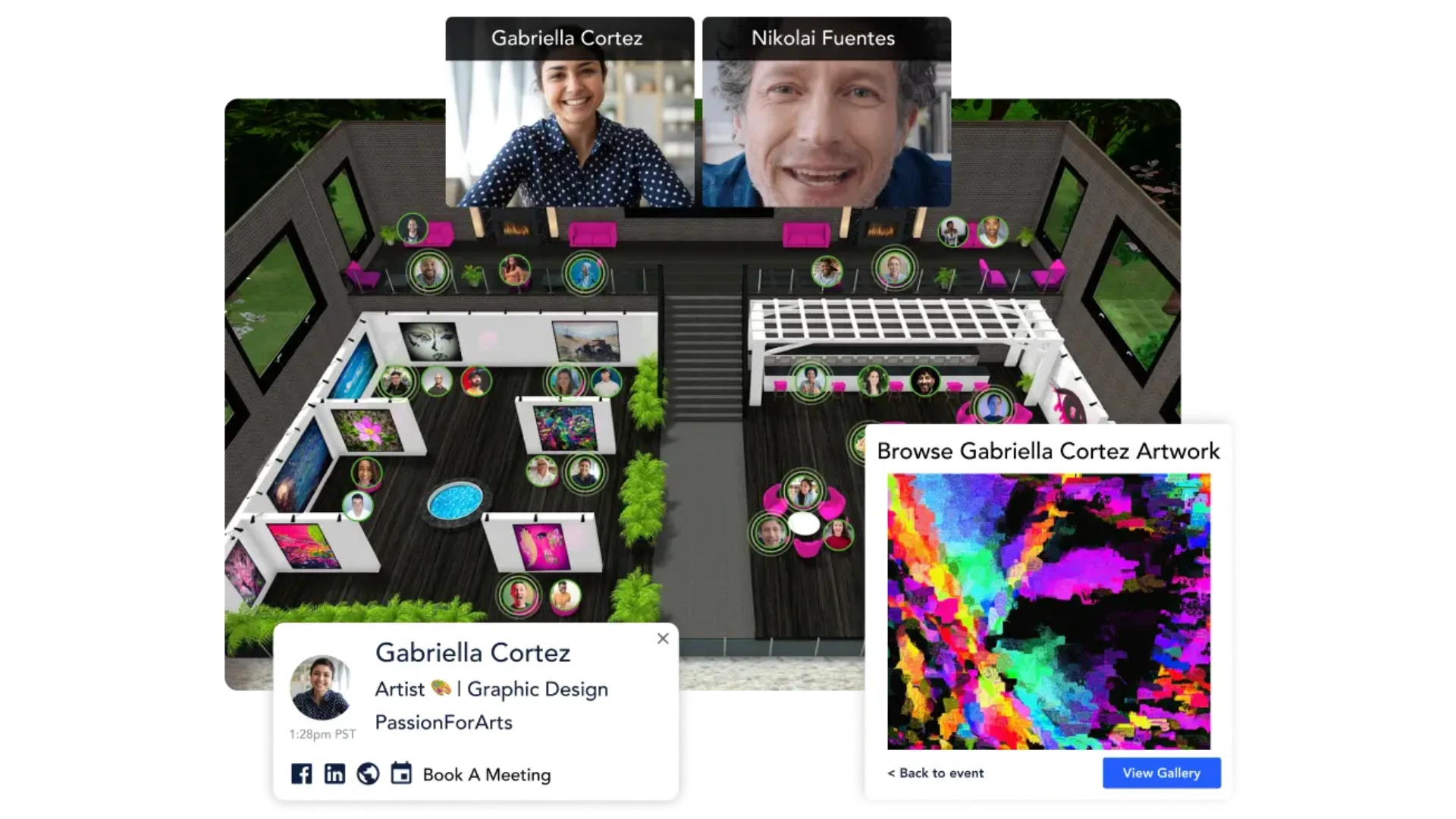
Once you understand what makes a virtual exhibition feel polished and engaging, the next piece of the puzzle is the tech itself. And thankfully, you don’t have to be a tech wizard to pull this off. Modern virtual exhibition platforms make the whole process straightforward.
Here are the features that really support a smooth online exhibition:
- Customizable virtual halls: Your digital “venue,” shaped and branded for your event.
- Interactive exhibitor booths: Perfect for videos, resources, product demos, and live chats so visitors feel welcomed.
- Presentation stages: Ideal for keynotes, demos, guest speakers, and big moments you want everyone to see.
- Networking tables or lounges: These bring back the human side of exhibitions, letting people jump into meaningful conversations.
- Public and private chat tools: Great for quick questions, audience reactions, and lively discussions.
- Resource libraries: All your brochures, catalogs, and files organized in one accessible place.
- Analytics dashboards: Helpful insights that show what people clicked, watched, and explored.
Platforms like Remo bundle these tools into one cohesive space, which makes it easier to craft an online exhibition that feels welcoming, interactive, and genuinely alive, the kind of experience people remember long after they log off.
Bringing Every Type of Exhibition to Life Online
When you look at all the types of exhibitions you can bring online, from art and photography to tech showcases, academic expos, and full-scale trade shows, it’s hard not to feel a little excited about what’s possible. Virtual exhibitions aren’t a backup plan anymore. They’re a real way to reach bigger audiences, cut down on logistical stress, and create experiences that feel open, accessible, and surprisingly personal.
Of course, the platform you choose plays a big role in how smooth everything feels. A tool like Remo helps you focus on what you want people to experience instead of getting stuck in the technical weeds. When the space feels easy to navigate and conversations feel natural, your exhibition starts to come alive in a way that makes people want to stick around.
If you’re curious how this could look for your own event, book a demo and see what’s possible. Sometimes seeing it in action is all it takes to spark the idea that makes your exhibition truly memorable.
Frequently Asked Questions about the Types of Exhibitions
1. What are the types of exhibitions?
Common types of exhibitions include art, photography, tech showcases, trade shows, cultural displays, academic expos, and startup exhibitions, most of which can also be hosted online.
2. How do trade exhibitions differ from consumer or public exhibitions?
Trade exhibitions are business-focused and meant for B2B connections, while consumer exhibitions are aimed at the general public and focus more on education, inspiration, or product discovery.
3. What is the difference between permanent and temporary exhibitions?
Permanent exhibitions stay up for long periods and rarely change. Temporary exhibitions run for a limited time and are often themed or seasonal.
4. How do physical exhibitions compare to online or virtual exhibitions?
Physical exhibitions require a venue and in-person attendance. Virtual exhibitions remove those limits, making it easier to reach global audiences and offer interactive content online.
5. What types of exhibitions can and cannot be taken online?
Exhibitions focused on visuals, storytelling, education, or networking work especially well online, including art, photography, trade shows, academic expos, career fairs, and startup showcases. Exhibitions that depend heavily on physical interaction or live sampling can be harder to replicate online, though many still adapt by focusing on demos and digital content.
Zainab Asad
Zainab Asad is a Content Writer at Remo, contributing to the platform's mission of fostering authentic virtual connections. With a keen eye for detail and a passion for effective communication, she crafts engaging content that empowers event professionals to create memorable virtual experiences.