15 College Career Fair Booth Ideas to Help You Pull Off the Perfect Event

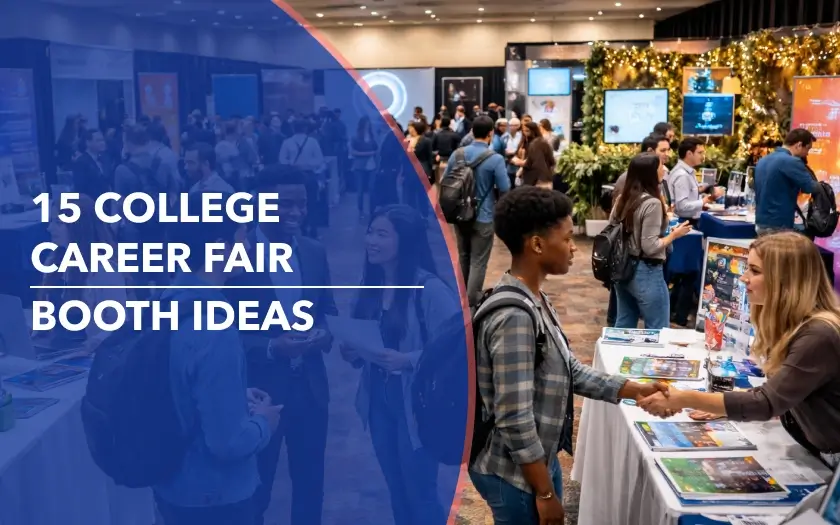
The booths are live, and the chat rooms are open. The air hums with energy, which is a mix of nervous excitement and “did I test my mic?” panic. Students are polishing their résumés for the hundredth time, recruiters are logging in or rolling in boxes of swag, and you, the fearless coordinator, are holding it all together with a spreadsheet, caffeine, and sheer willpower.
College career fairs, whether hosted in a buzzing college gym or a virtual career fair platform are where futures take shape in real time. Between managing employers, marketing to students, and making sure the Wi-Fi doesn’t stage a rebellion, an event organizer's role is half event producer, half superhero.
So, how do you turn that chaos into connection? By planning with precision and strategy. We’ve rounded up our favorite college career fair booth ideas that’ll make your next fair the talk of the town (for all the right reasons). Whether it’s on campus or entirely online, these ideas will help you create college career fair booths that aren’t just organized but are unforgettable too.
{{table-of-contents}}
Why College Career Fairs Matter
.webp)
College career fairs are more than networking events. They’re launchpads as they connect students with real-world opportunities, help employers discover emerging talent, and strengthen the bridge between education and industry.
However, that can only happen with well-designed and well-thought out career fair booths.
Whether hosted on campus or online, a great career fair booth sparks conversations, builds connections, and turns “someday” ambitions into first job offers.
Looking for some general ideas? Here are 12 career fair ideas to get you started.
15 College Career Fair Booth Ideas for Coordinators
Whether your career fair is happening in-person or virtually, these ideas will help you pull it off with confidence and creativity. From layout planning to virtual engagement hacks, every tip here is designed to make your event smoother, smarter, and more memorable.
1. Meet-Your-Major Booth Aisles

The venue is busy and full of movement. Students carry resumes, recruiters set up their booths, and dozens of company names compete for attention. Here’s a trick to tame the chaos: organize your fair by major or career pathway instead of random booth placement. You can name the hall sections or virtual floors “The Engineering Row,” “The Creative Corner,” or “The Business Boulevard.” Booth names should stay company-specific, but this layout helps students navigate toward relevant employers and jobs while still leaving room for curiosity strolls.
Add color-coded signs or map out floor plans so students can spot their zone from the door. Clear structure builds confidence, and when your fair feels easy to explore, everyone stays longer and connects better.
2. Wear Your Skills Like a Badge of Honor
Help students stand out before they even start talking. When attendees check in, let them pick a few skills badges to display on their name tag or digital profile. Simple tags like “Python,” “Public Speaking,” “Team Leader,” or “Creative Thinker.” These little labels instantly spark conversations. Employers can spot relevant skills at a glance, and students gain an effortless icebreaker: “I saw you’ve got UX Design, tell me about your projects!”
You can create color-coded stickers, printed tags, or even digital icons in your virtual job fair platform. It’s quick, fun, and turns shy introductions into confident, targeted conversations. Sometimes, one word on a badge can open the door to the perfect opportunity.
3. Pitch-Perfect Booth
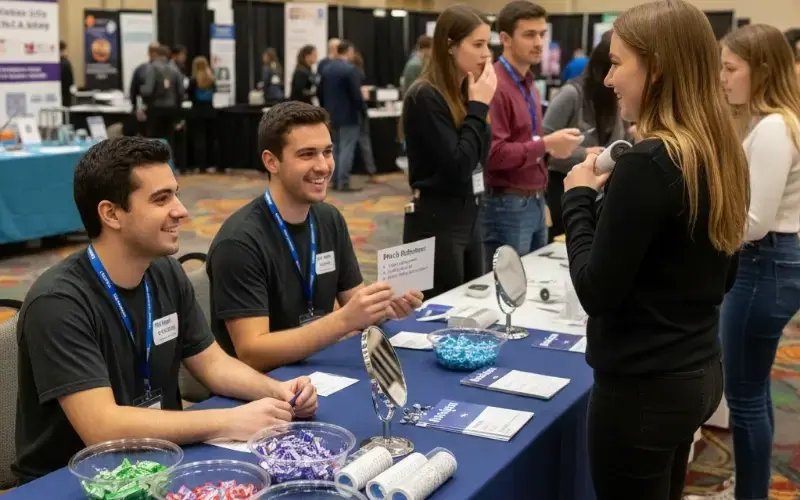
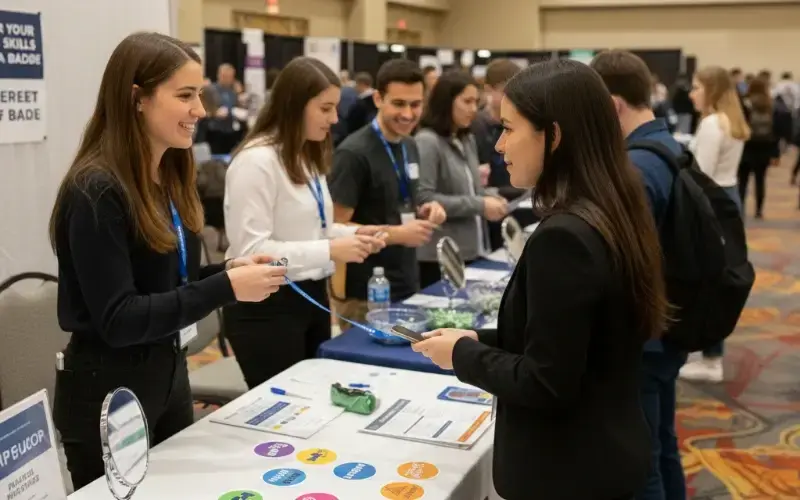
A few minutes before the fair opens, students are naturally nervous, and whisper-practicing, “Tell me about your company…” Set up a couple of Prep Pit-Stop tables near the entrance or check-in line. Stock them with lint rollers, mints, name-tag holders, and a tiny mirror. Add a quick “Pitch Refresher” card with three prompts: Who are you? What do you love? What are you curious about? Staff the physical or virtual booth with friendly peer coaches who can calm nerves and do a 30-second pep talk.
For virtual career fairs, create a quick pre-event lounge or support desk where students can test their camera, troubleshoot audio, and get last-minute pitch or tech help from your team. Whether on-site or online, it’s part comfort station, part confidence boost, and when students show up looking sharp and sounding ready, everyone wins.
.webp)
4. Speed-Rounds for the Shy
Career fairs can feel intimidating, especially for first-year students or introverts who don’t know where to start. Speed networking sessions offer an easy way in. Set up a dedicated booth that runs short, pre-scheduled 7-minute live chats between students and employers, like professional virtual speed dating with purpose.
Students sign up in advance for one or two time slots, giving them structure and confidence before they ever step onto the floor. Employers, in turn, meet motivated candidates who already did their homework. Keep it light, keep it moving, and keep a timer nearby. It’s quick, efficient networking that breaks the ice and builds momentum for deeper conversations later.
5. Scan Me Maybe (Booth-Level QR + Instant Thank-You)
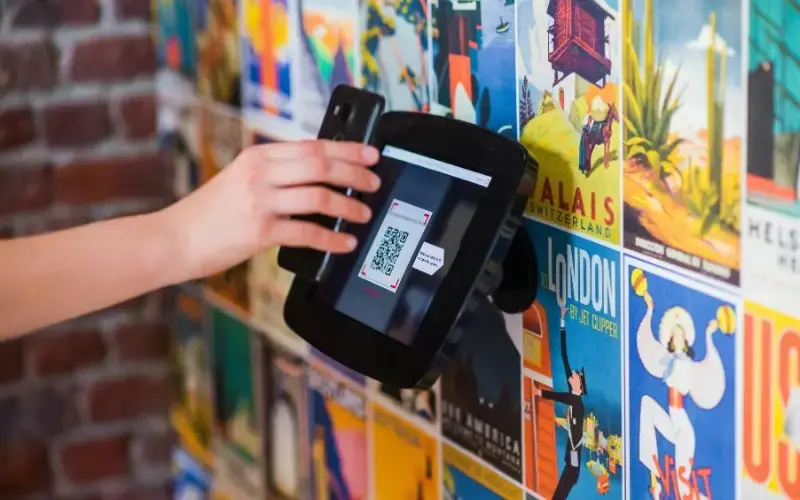
Recruiters love conversations, not paperwork. Students love instant follow-up, not awkward “so how do I stay in touch?” moments. The solution? Booth QR Codes or their virtual twin, instant digital links.
For in-person fairs, print and place a clean QR code on a small stand at each career fair employer booth. When a student scans it, it logs their visit and instantly emails them the employer’s company profile, links, and next-step details. For virtual fairs, the same experience happens through clickable “Visit” or “Connect” buttons that trigger an automatic follow-up message once a student stops by a virtual booth. No more lost business cards, no more “what was that company called again?” on the walk home. It’s quick, paper-free, and makes your fair look delightfully high-tech.
6. Ask Me Anything Employer Huddles
Not every student wants to hand out resumes right away, and not every recruiter wants to repeat the same elevator pitch all day. Introduce Ask Me Anything (AMA) Huddles, a relaxed, 10–15 minute chat at a career fair booth where employers host open Q&A sessions on real topics students care about, like “What do recruiters actually look for in interviews?” or “How can I get into marketing with a psychology degree?”
Students get insider advice without the pressure of a job pitch, and employers love the chance to show personality behind the booth. For virtual events, these huddles work perfectly as live Q&A sessions or breakout discussions at virtual tables. It’s part mentoring circle, part mini masterclass, and a guaranteed buzz-builder for your fair.
7. The Fast and the Curious
Another career fair booth idea is to give your students a reason to explore beyond their comfort zone. Hand out a small Pathways Passport, a card or digital checklist that challenges attendees to visit at least one booth or move between virtual tables in each career category.
For example, they might collect stamps from STEM, Business, Arts & Communication, Public Service, and Health. Once they complete the loop, they can drop their passport off for a raffle or a small prize.
It’s a simple, playful way to push students toward discovery, maybe that engineering major finds a role in sustainability, or the art student realizes they fit perfectly in marketing. The best part? Employers get broader traffic, and students leave with unexpected insights (and maybe a gift card, too).
8. Raiders of the Lost (Hidden) Startups
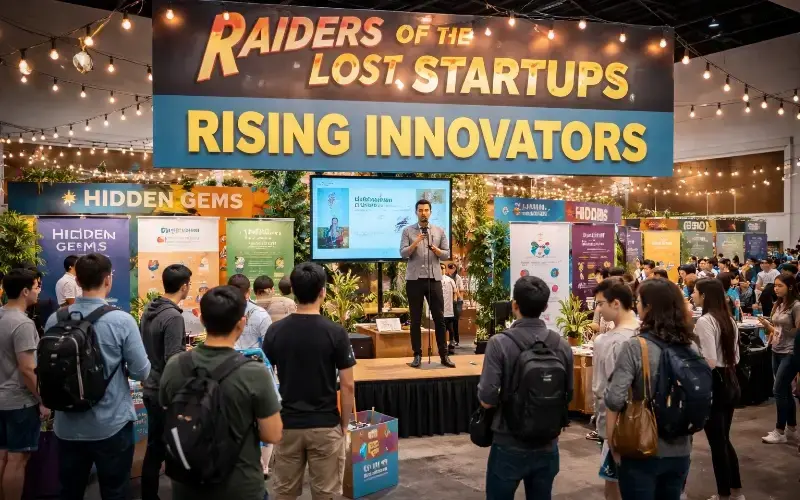
Big-name brands always draw the crowds but some of the most exciting opportunities hide behind smaller logos. Shine a spotlight on local startups, nonprofits, and emerging companies with a special section or “Rising Innovators” zone at your fair.
For in-person events, group these employers together in a clearly marked area with eye-catching signage or a mini-stage where founders can share 5-minute “lightning talks” about their mission and growth stories. For virtual or hybrid fairs, dedicate a digital zone or tab that highlights “Hidden Gems,” complete with short intro videos, live demos, or chat tables where students can meet the teams directly.
It’s a win-win: smaller organizations get visibility and fresh talent, while students discover exciting roles in fast-growing spaces they might never have found otherwise. Sometimes the best opportunities aren’t the biggest names but the boldest ideas.
9. Alumni License to Wing
Sometimes students just need a friendly translator, someone who’s been on both sides of the career fair booth. Invite recent graduates, say, one to three years out, to volunteer as “career fair wingpersons.” They roam the floor wearing badges like “Ask Me About My First Job Hunt” or “From This Campus to That Company.”
Alumni bridge the gap between recruiter talk and student nerves. They can introduce students to employers, share what worked for them, and offer quick reality checks that feel authentic, not intimidating. It’s a small touch that makes your fair feel human, connected, and community-driven. Not to mention, it’s a great way to engage university alumni.
10. First-Gen and Transfer Welcome Table
Starting a career fair can feel extra daunting for first-generation or transfer students who may not know the “unspoken rules.” A dedicated Welcome Table can change that from the moment they show up.
Set up a clearly labeled career fair booth near the entrance of the venue or a virtual booth with peer ambassadors or career-services staff who offer quick tips, like how to start a conversation, what to bring up with employers, or how to follow up after the fair. Add simple handouts with sample intros, confidence boosters, and a list of inclusive employers. That first five-minute chat can turn uncertainty into confidence, and sometimes, that’s all it takes to enable a great connection.
11. Sensory-Friendly Neighbourhood Plan
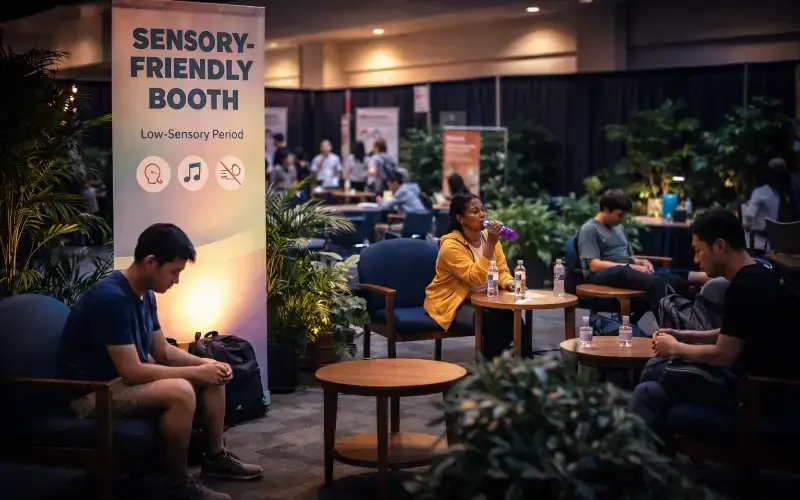
Career fairs can get loud, crowded, and overwhelming, especially for students with sensory sensitivities or anxiety. A dedicated sensory-friendly booth offers a calmer alternative.
For in-person fairs, this booth operates as a low-sensory space with softer lighting, no music, and reduced foot traffic. This lets students pause and reset before or after conversations. For virtual fairs, apply the same care digitally: offer optional camera-off online networking sessions, slower-paced “quiet” chat rooms, or solo “break” tables so participants can recharge. Clear accessibility notes on your event page help everyone plan their experience comfortably.
These small adjustments create a calmer, more inclusive experience, showing students that accessibility is a part of your design. Everyone benefits when the environment feels comfortable enough to connect.
12. “No Swag? No Problem” Booth
Not every employer brings branded pens and tote bags, and that’s okay! Help level the playing field (and save the planet) with a “No Swag? No Problem” booth near the entrance. Stock it with simple, practical resources from your career center: a printed list of attending employers, quick resume tips, “Top 20 Questions to Ask Recruiters,” and a QR code linking to company profiles.
For virtual fairs, the booth translates into a digital resource hub or virtual swag bag, filled with downloadable guides, coupons, and campus resources. It gives students something useful to take away, whether they’re grabbing it off a shelf or downloading it online, and shows employers that great value doesn’t need glitter pens. Plus, employers appreciate that you’re helping the smaller companies get noticed.
13. Booth 911: What’s Your Emergency?
This career fair booth idea is a dedicated support booth designed to handle real-time issues discreetly and efficiently throughout the event. On event day, your phone shouldn’t be blowing up with “We need an extra chair!” messages from recruiters. Instead, set up a simple Employer Concierge SMS line, a dedicated number (Google Voice works perfectly) where in-person employers can text quick requests.
Whether it’s missing signage, power strips, or booth adjustments, your floor team can respond in real time without chaos over walkie-talkies. For virtual fairs, apply the same concept through a live chat or concierge help desk inside your platform. Use it to troubleshoot RTMP streaming issues, enable closed captions for accessibility, or fix virtual booth settings before the next session starts.
It keeps communication smooth, problems quiet, and your reputation credible. Recruiters will love the responsiveness, your staff will stay sane, and you’ll pull off a flawless onsite or online operation. Not all booths sell. Some support. The best events design both.
14. Lights, Camera, Career!
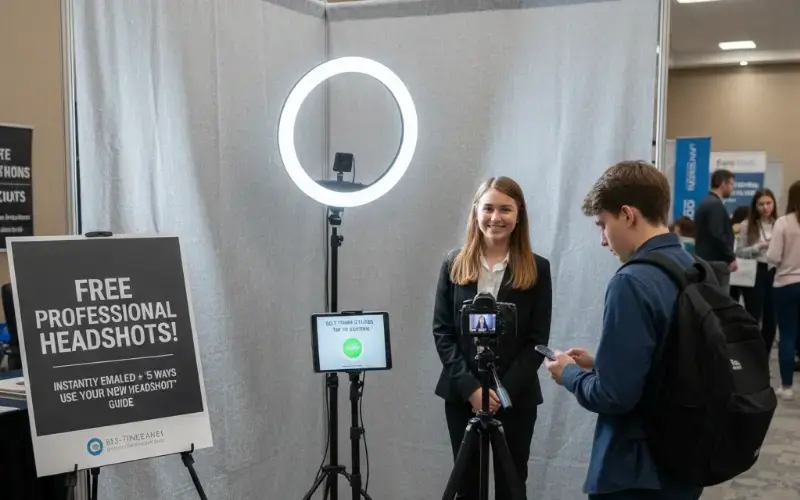
Give your career fair a professional edge and a little fun with a Photo Booth for Headshots. Set up a small corner booth with a neutral backdrop, ring light, and a volunteer photographer or a self-timer station. Students can pop in for a quick photo between employer visits, then receive their image via email along with a follow-up guide like “5 Ways to Use Your New Headshot.”
It’s practical, memorable, and social-media-ready. Students walk away with something tangible and LinkedIn-worthy, and your event earns bonus points for being the fair that actually helped them look the part.
15. The Last Lap Announcement
As the fair winds down, the energy naturally dips, and some great conversations never happen simply because time runs out. Fix that with a dedicated “Last Lap” announcement to help students make the most of their final 30 minutes.
Over the mic, event app, or an online announcement, invite students to visit one new employer they haven’t met yet or stop by a booth that caught their eye earlier. It’s a gentle nudge that reignites momentum, gives quieter employers one more wave of traffic, and helps students end the day feeling accomplished.
Tips for Executing Your College Career Fair Booth Ideas
Even the best booth ideas need solid execution. Here’s a quick rundown of what you should do:
- Start early, about 8–10 weeks before the event, to lock in employers, confirm logistics, and promote across student channels.
- Build a small planning team with clear roles: marketing, employer relations, tech setup, and accessibility.
- Use project management tools (or a good old spreadsheet) to track progress and deadlines.
- Test all tech, QR codes, registration links, and virtual booths, a week in advance.
- And finally, schedule a quick debrief right after the event to capture lessons while they’re fresh.
Good planning doesn’t just make things run smoothly. It frees you up to focus on what really matters: helping students make meaningful connections.
Exit Event: The College Career Fair’s a Success
When the last booth closes and the chat windows fade, take a moment to breathe. It's not just an event you pulled off, it's an opportunity in motion. The connections you helped create today might grow into internships, job offers, or even lifelong careers.
College career fairs, whether in-person, hybrid, or virtual, are about more than recruitment; they’re about connection and confidence. And with platforms like Remo, you can host engaging, interactive events that make networking feel natural from any location. From virtual networking lounges to branded employer booths, Remo helps you recreate the energy and warmth of in-person events in a perfect digital space.
Ready to take your next college career fair online? Book a demo today and see how Remo can make your event as dynamic and memorable as the connections it creates.
Frequently Asked Questions about College Career Fair Booth Ideas
1. How do virtual career fairs differ from in-person?
Virtual career fairs happen on online platforms where students join from anywhere, moving between virtual tables or booths to chat with employers. They rely more on technology, live chat, video calls, and digital resources, so testing your setup and providing tech support are key. The focus shifts from physical setup to creating interactive, easy-to-navigate digital spaces.
2. What are fun engagement ideas to keep students on site or online?
Gamify the experience! Try scavenger hunts, leaderboards, or a “Pathways Passport” challenge. Add live polls, mini workshops, or coffee-chat lounges between sessions. In virtual fairs, use breakout rooms, reaction emojis, and prize giveaways to keep energy high and students coming back.
3. How do employers make their booths more interactive?
Encourage employers to go beyond brochures—think short live Q&As, product demos, portfolio reviews, or “day-in-the-life” videos. Virtual booths can include chat prompts, downloadable resources, and quick polls. The goal is simple: spark real conversations, not just collect resumes.
4. How can I collect feedback effectively during and after the fair?
Use QR codes or instant digital links for quick exit surveys and keep them under a minute to boost responses. Follow up with a next-day email for deeper feedback from employers. Platforms like Remo make it easy with built-in polls and post-event analytics, helping you see what worked (and what to improve) instantly.
Aniqa Iqbal
Aniqa is a content writer at Remo, where she merges her love for storytelling from movies and TV shows with her passion for creating compelling content. With a knack for blending pop culture references and relatable narratives, Aniqa crafts content that informs and resonates deeply with readers. She aims to strike a chord with her audience, fostering genuine connections through words that inspire, engage, and entertain. When she's not writing, Aniqa can be found binge-watching her favorite shows, always on the lookout for the next story to tell.