25 Networking Event Ideas to Get People Talking and Connecting

The best networking event ideas take the awkwardness out of approaching strangers and give attendees a reason to keep meeting new people. Instead of leaving conversations to chance, activities like speed networking, networking bingo, conversation starter cards, roundtable discussions, coffee chats, and collaborative challenges give people an easy way to interact and keep the conversation moving.
That matters because putting people in the same room does not automatically create connections. We’ve seen this happen across plenty of events: the room is full, the energy is high, and yet people spend most of their time talking to someone they already know or no one at all. Without a little structure, networking can quickly become a collection of closed circles.
The goal is not to force everyone into awkward introductions. It is to create enough opportunities for people to cross paths, find common ground, and leave the event having met someone they would not have otherwise talked to.
The right networking idea depends on your audience, your event goals, and your format. So, whether you’re planning an in-person gathering, a virtual event, or a hybrid event, here are 28 ideas you can adapt to get people talking and connecting.
Here are 25 networking event ideas you can adapt for in-person, virtual, and hybrid events.
{{table-of-contents}}
Quick Overview: 25 Networking Event Ideas
What Are the Best Networking Event Ideas?
Not every networking event needs elaborate activities or complicated matchmaking. Sometimes a simple structure is enough to give people a reason to approach someone new and turn a passing introduction into a worthwhile conversation.
Quick Icebreakers and Conversation Starters
1. Speed Networking
Best size: 20+ attendees
Best format: Any
Best duration: 20–30 minutes
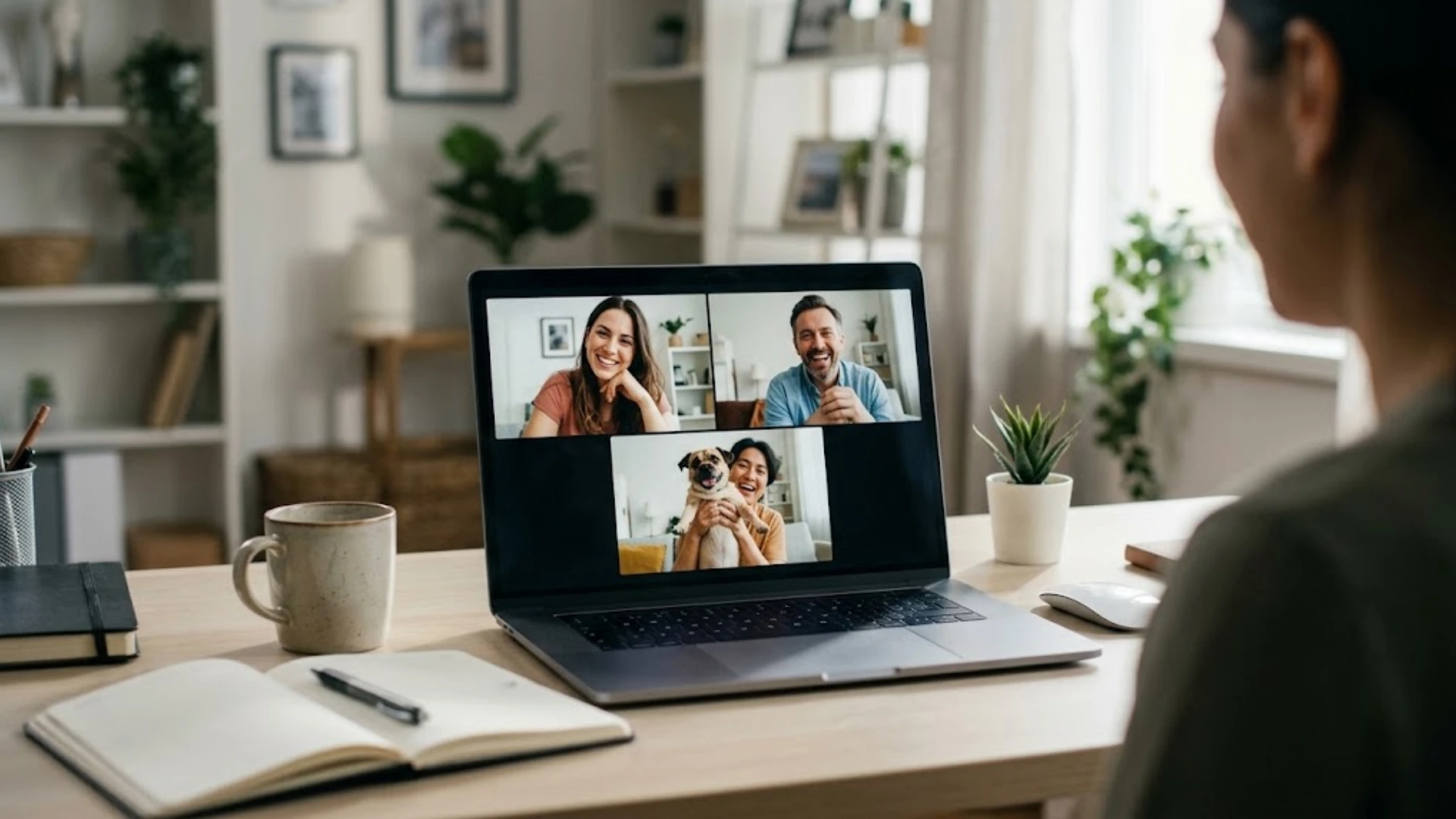
Speed networking gives attendees a series of short, timed conversations, helping them meet several people rather than staying with one connection. Add focused questions about goals, challenges, or expertise so participants can quickly identify shared interests and decide which conversations are worth continuing. Rounds of three to five minutes tend to work best: long enough to get past introductions, short enough that nobody feels trapped.
2. Networking Bingo
Best size: 30+ attendees
Best format: In-person or virtual
Best duration: Throughout the event
Networking bingo gives attendees prompts that encourage them to find people with specific experiences, interests, or goals. Make the prompts connection-focused, such as finding someone who has solved a challenge you are facing, rather than simply collecting names or job titles. The same prompts work on printed cards or digitally.
3. Conversation Starter Cards
Best size: Any
Best format: Any
Best duration: Throughout the event
Conversation starter cards give attendees an easy way to begin conversations without falling back on awkward introductions. Use questions that uncover professional goals, current projects, challenges, or interests.
Try prompts such as:
- What are you working on right now?
- What’s one challenge you’d love another perspective on?
- Who are you hoping to meet today?
Keep the questions open-ended and easy to answer. The best networking conversation questions should give people something they can respond to, follow up on, or have in common, rather than simply asking for a job title or elevator pitch. If you need help coming up with questions, Remo’s AI Icebreaker Question Generator can give you prompts to get the conversation started.
4. Two Truths and a Lie
Best size: Groups under 15
Best format: Any
Best duration: 5–10 minutes
Use this familiar icebreaker to help attendees share something unexpected about themselves and give others an easy conversation opener. Ask each person to come up with two true statements and one lie about themselves, then have the group guess which statement is false. Keep the focus light and encourage follow-up questions that can turn a fun introduction into a real connection.
5. Lightning Introductions
Best size: Under 20–30 attendees
Best format: Any
Best duration: 30 seconds per person
Give each attendee a brief moment to introduce themselves, share what they do, and mention what they hope to get from the event. These quick introductions give everyone context about who’s in the room, making it easier to spot relevant people and approach them during open networking. For larger groups, introductions can quickly become lengthy and people may start losing attention.
.webp)
6. Show-and-Tell Networking
Best for: 10–15 attendees
Best format: Any
Best duration: 1–2 minutes per person
Give attendees a chance to share something meaningful to them, whether it’s a product they’re building, a project they’re proud of, a useful tool they’ve discovered, a recent piece of work, or an object that reflects one of their interests. Allow each person a minute or two to explain what they’ve brought and why it matters to them.
The shared item becomes a natural conversation starter. Attendees have something specific to ask about, react to, or connect with. For virtual events, participants can share their screen, show a digital project, or hold an object up to the camera.
Structured Discussions

7. Roundtable Discussions
Best size: 5–8 people per table
Best format: Any
Best duration: 30–45 minutes
Roundtable discussions bring small groups together around a specific topic or question, giving everyone a structured conversation to contribute to. Choose a topic that is relevant to the group, then use guiding questions to keep the discussion focused and make sure everyone has a chance to share their perspective. You can also invite an industry leader to join the table to add an expert perspective, and have him/her ask questions, share insights, and respond to the challenges participants bring to the discussion.
8. Attendee-Led Discussions
Best size: 20+ attendees
Best format: Any
Best duration: 30–60 minutes
Let attendees propose topics they genuinely want to discuss and invite others to join based on shared interests or challenges. Giving participants ownership can surface connections a fixed agenda would miss, particularly when people have niche expertise or specific problems to explore.
9. Case Study Discussions
Best size: Groups of 4–6
Best format: Any
Best duration: 30–45 minutes
Present a real-world scenario and ask attendees to discuss how they'd approach it. Comparing different perspectives reveals complementary expertise and potential collaborators, giving participants a reason to continue talking afterward.
10. Problem-Solving Workshop
Best size: 4–50 attendees
Best format: Any
Best duration: 45–90 minutes
Give attendees a practical challenge to solve together, either by asking them to bring a real problem or by providing a workshop activity related to the event theme. Small groups can exchange ideas, test different approaches, and work toward a solution.
This format gives people something meaningful to discuss instead of relying on small talk. It also creates natural opportunities to see how others think, share expertise, and find common interests. After the activity, give attendees a few minutes to continue conversations with people whose ideas they found interesting.
11. Featured Conversation + Networking
Best size: 30+ attendees
Best format: Any
Best duration: 60 minutes
Start with a panel, fireside chat, or interview around a topic your audience cares about, then turn the conversation into a networking opportunity. After the main discussion, place attendees in smaller groups to share their reactions, discuss an idea that stood out, or compare experiences.
The shared topic gives people an immediate conversation starter, so they do not have to figure out what to talk about from scratch. It also helps attendees find others who share their interests, challenges, or perspectives. For larger events, divide attendees into several smaller groups so everyone has more opportunities to contribute and connect.
Matchmaking and One-to-One
12. Matchmaking
Best size: 30+ attendees
Best format: Any
Best duration: Depends on the event format and number of matches
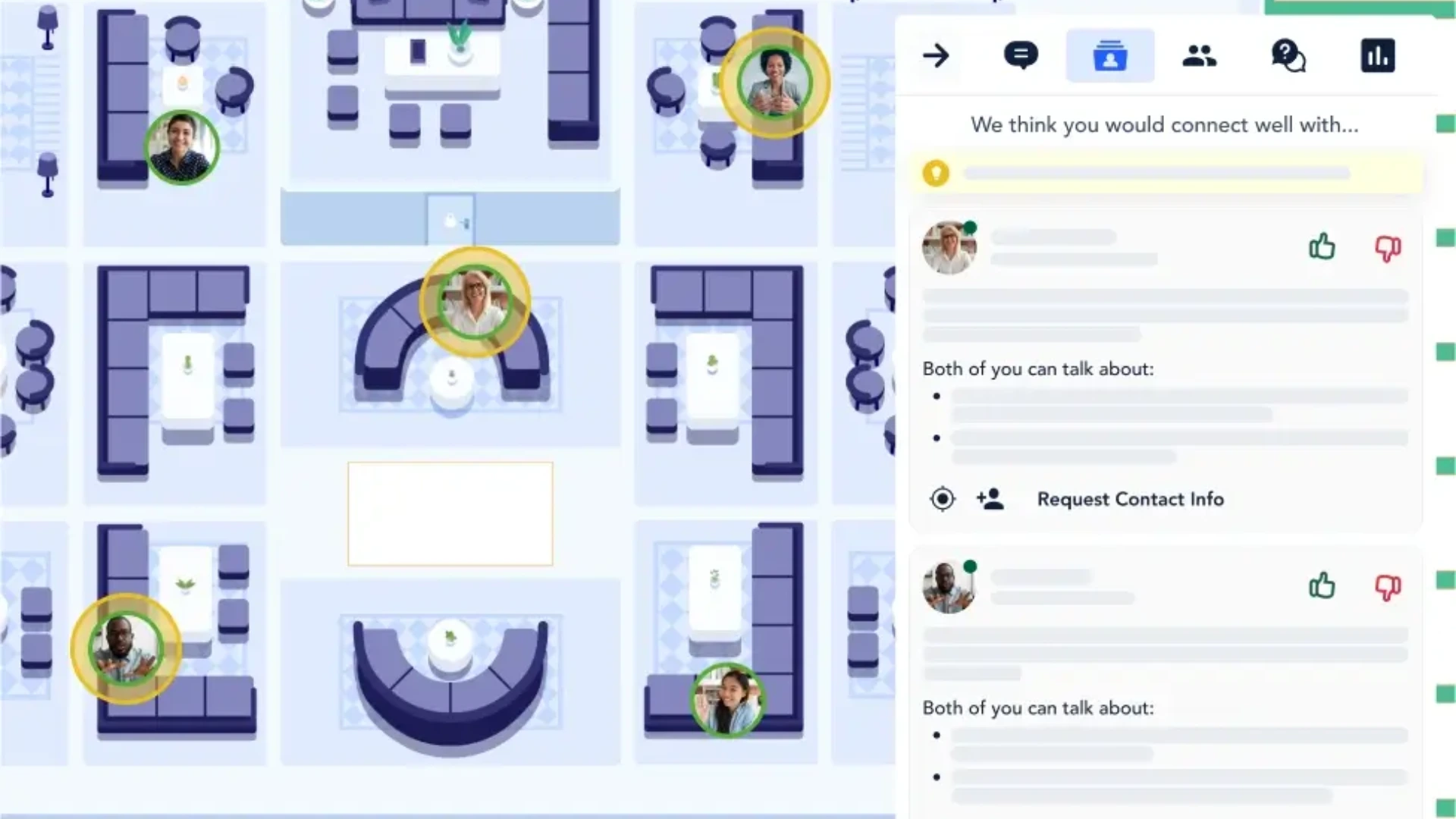
Matchmaking takes the guesswork out of networking by intentionally connecting attendees who have a clear reason to talk. There are two main approaches to consider: interest-based matchmaking and two-sided matchmaking.
- Interest-based matchmaking connects people based on shared interests, goals, industries, roles, or challenges. For example, you might match two attendees who both work in marketing and are interested in using AI for customer acquisition. The common ground gives them an immediate reason to start a conversation. This approach can also be supported by AI tools that use attendee profiles and registration responses to recommend relevant connections.
- Two-sided matchmaking connects people from two or more groups who are specifically looking to meet each other. This could mean matching mentors with mentees, vendors with potential clients, employers with job seekers, or investors with founders. The match is based on what each person is looking for from the other, making it particularly useful for events focused on partnerships, hiring, or business development.
To make either approach more relevant, collect a few details during registration, such as professional goals, areas of expertise, current challenges, industries of interest, or what attendees hope to find at the event. The more useful information you collect, the easier it is to create matches with a clear reason to connect rather than simply pairing people at random.
If you're considering AI for this process, Remo's AI matchmaking uses attendee information such as interests, experiences, and goals to recommend relevant connections and provide personalized talking points. For events focused on business relationships, our guide to B2B event matchmaking covers how to connect people based on what each side is looking for.
13. One-to-One Networking Meetings
Best size: 40+ attendees
Best format: Any
Best duration: 15–20 minutes per meeting
Give attendees dedicated time to meet potential clients, employers, partners, suppliers, or candidates. This works particularly well for trade shows, expos, career fairs, and business events where attendees have specific people they want to connect with.
Pre-scheduled meetings give each conversation a clear purpose, while dedicated one-to-one rooms make focused conversations easy to arrange for virtual events.
14. Coffee Chats
Best size: Any
Best format: Any
Best duration: 15–30 minutes
Pair attendees for informal one-to-one conversations around shared interests, goals, or challenges. Because the setting is casual, coffee chats make deeper conversations feel less transactional. They can be scheduled in advance or offered as flexible networking time.
15. Walk-and-Talk Networking
Best size: Any
Best format: In-person
Best duration: 20–30 minutes
Get attendees out of their seats and pair them up for a short walk around the venue or nearby area. Give each pair a question or topic to explore, then have them switch partners after 10–15 minutes so everyone has a chance to meet someone new.
The movement takes some of the pressure out of face-to-face networking and gives people a more relaxed setting for conversation. It works especially well during longer conferences, outdoor events, or breaks when attendees are ready to step away from the main room.
16. Skill Swap
Best size: 20+ attendees
Best format: Any
Best duration: 30–45 minutes
Invite attendees to share a skill they can teach and identify people who want to learn it. A skill swap creates an immediate reason for two people to connect, and the exchange itself provides value. It also uncovers expertise that traditional introductions would never reveal.
Collaborative and Interactive
17. Collaborative Challenge
Best size: Teams of 4–6
Best format: Any
Best duration: 30–60 minutes
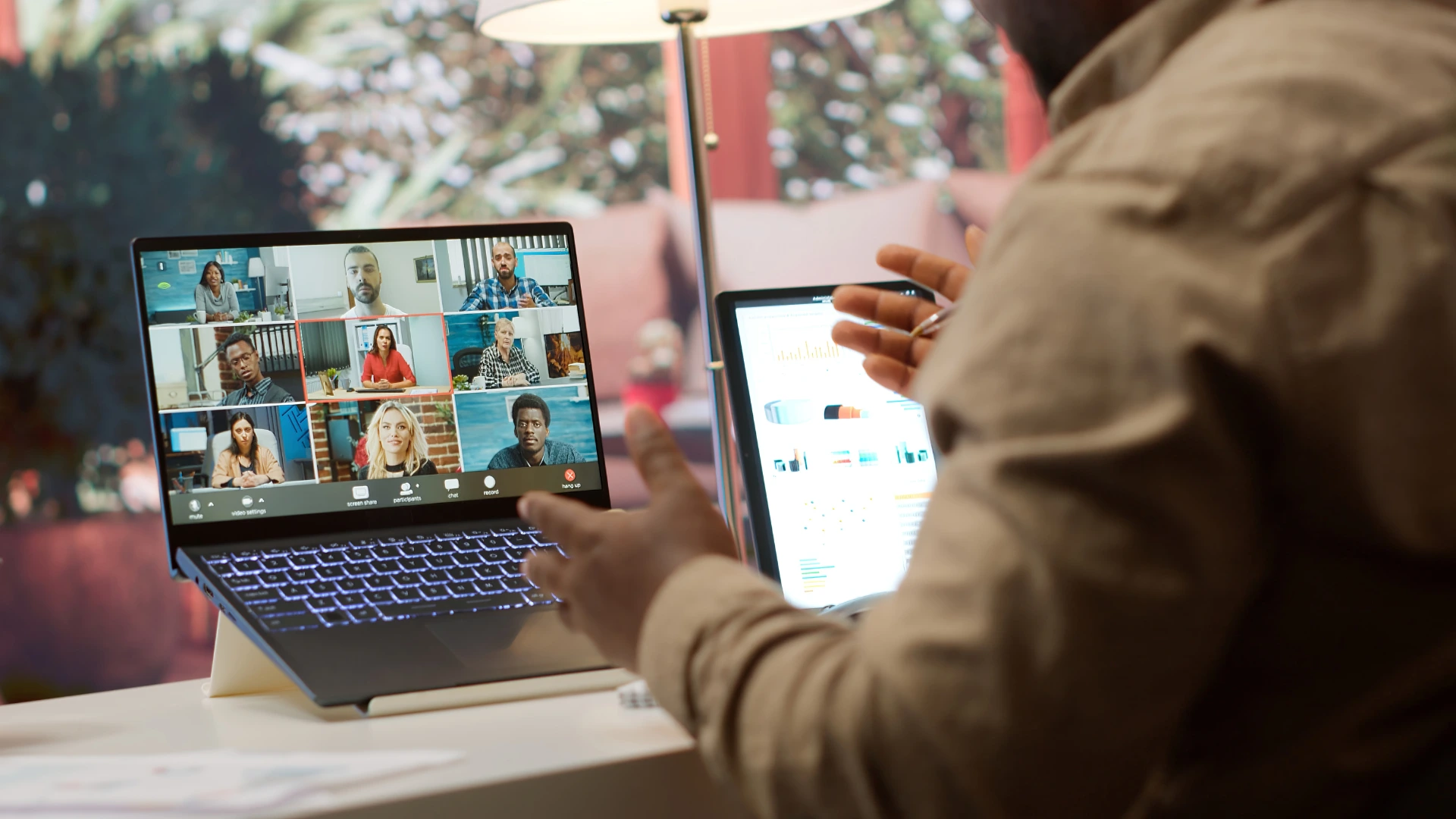
Split attendees into small teams and give each one a time-bound challenge to complete together. The task could involve creating a campaign, designing a solution, building a pitch, or completing another activity related to your event theme.
The focus is on how well people collaborate, rather than simply discussing a problem. Mix teams deliberately so attendees work with people outside their existing circles, then give each group a chance to share what they created. This reveals different working styles, skills, and perspectives while giving participants something concrete to talk about afterward.
18. Networking Trivia
Best size: 30+ attendees
Best format: Any
Best duration: 20–30 minutes
Turn attendees into temporary teams for a round of trivia, deliberately mixing people who don't already know each other. The shared goal gives them an easy reason to collaborate, and the conversation between questions often reveals common interests.
19. Networking Scavenger Hunt
Best size: 30+ attendees
Best format: Any
Best duration: 20–45 minutes
Give attendees or small teams a list of challenges to complete within a set time. Challenges can involve finding specific things, discovering information, or talking to other attendees. For example, a prompt could ask participants to find someone who has worked in three different industries, discover a useful tool from another attendee, or solve a clue together.
Keep the challenges focused on interaction rather than simply finding objects. This gives attendees a reason to approach people they might not otherwise meet while keeping the activity structured and easy to follow.
20. Networking Passport
Best size: 50+ attendees
Best format: In-person
Best duration: 30–60 minutes
Give attendees a passport they can use to visit different booths, exhibitors, or networking areas throughout the event. Each stop earns them a stamp, signature, or other mark of completion. For example, at a trade show, attendees could visit selected exhibitor booths, speak with a representative, and collect a stamp at each one.
You can set a target number of stamps and offer a small prize or incentive for attendees who complete their passport. This encourages people to explore more of the event and meet people outside the conversations they would naturally have.
Social and Informal

21. Themed Networking Spaces
Best size: 40+ attendees
Best format: Any
Best duration: Throughout the event
Create tables or spaces around specific industries, interests, challenges, or professional goals, then let attendees choose where they want to connect. For example, you might have spaces for “AI in Marketing,” “Startup Fundraising,” or “Career Growth.”
This gives attendees an easy way to find relevant conversations without assigning them to a group. In a virtual event, you can use dedicated tables or rooms for each topic, making it easy for people to move between conversations based on what interests them.
22. Networking Lounge
Best size: Any
Best format: Any
Best duration: Throughout the event
Set aside a dedicated space where attendees can have informal conversations between sessions. Keeping the lounge open throughout the event gives people a place to continue conversations or meet someone new without adding another scheduled networking activity.
For virtual events, Remo’s virtual tables make this especially easy by giving attendees smaller spaces where they can join conversations and move between groups on their own.
23. Networking Breakfast, Lunch, or Dinner
Best size: 20–100 attendees
Best format: In-person or hybrid
Best duration: 60–90 minutes
Bring attendees together over a shared meal and use seating arrangements to encourage people to meet outside their existing circles. Add discussion prompts or rotate seats between courses to create more opportunities for conversation. For a more structured approach, try a lunch and learn, where attendees share a meal while learning about a topic through a short presentation or discussion.
24. Networking Happy Hour
Best size: Any
Best format: In-person
Best duration: 60–90 minutes
Create a relaxed social setting where attendees can meet over drinks, snacks, or casual activities. Add conversation prompts, rotating groups, or themed areas to help people move beyond the circles they arrived with.
Business and Professional
25. Sponsor or Partner Networking
Best size: 50+ attendees
Best format: Any
Best duration: 30–45 minutes
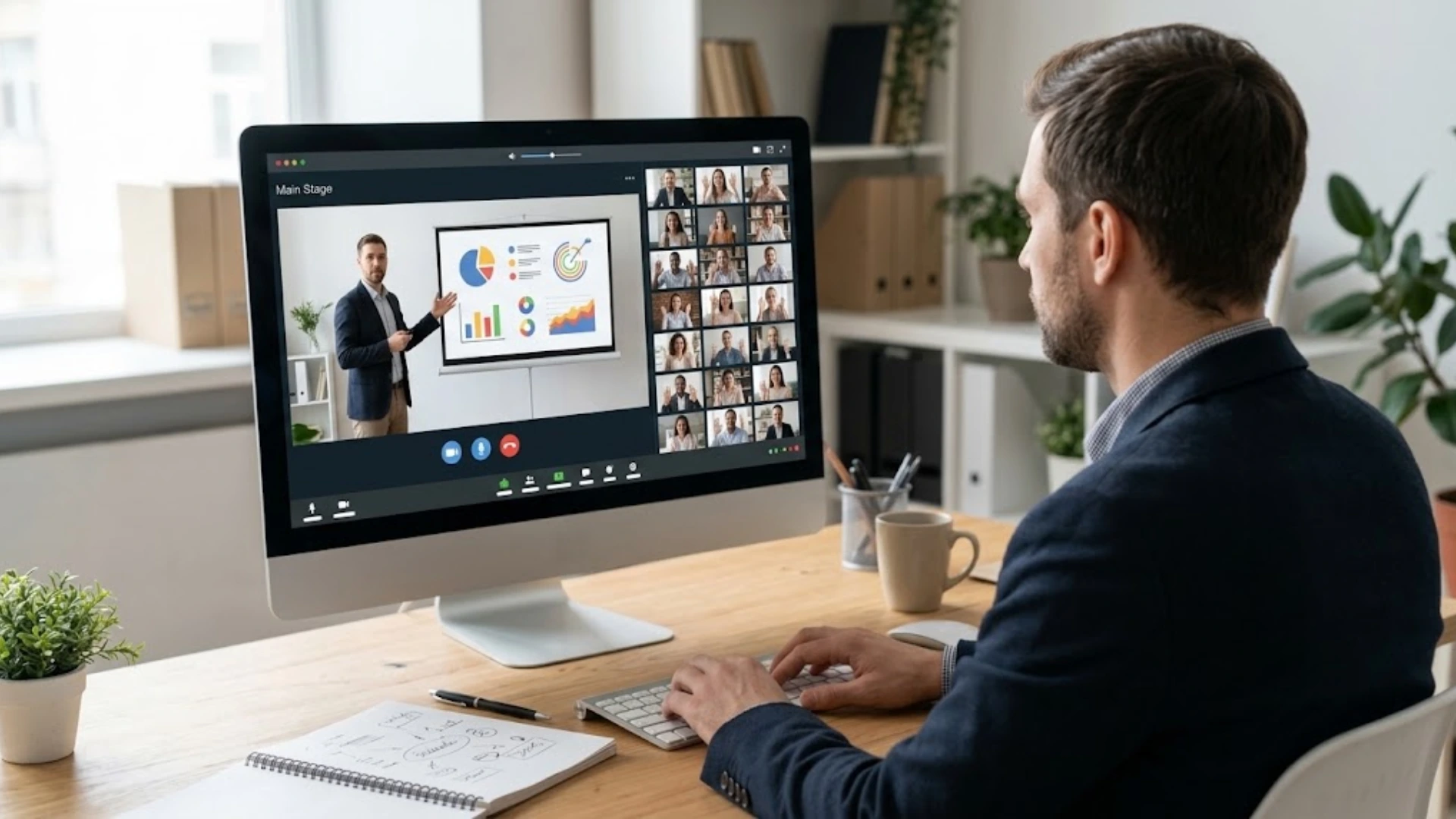
Create dedicated opportunities for attendees to connect with sponsors, exhibitors, or event partners. Use small-group conversations, demonstrations, or Q&A sessions to give both sides a clear reason to interact rather than relying solely on booth visits.
This works particularly well for trade shows, expos, conferences, and business events, where attendees may be looking for products, services, partnerships, or professional opportunities.
How Do You Encourage Networking at Events?
Encouraging networking starts with designing opportunities for people to interact throughout the event, rather than treating networking as a single break between sessions. Give attendees an easy way to meet someone early, create reasons to interact throughout the event, and make it simple to continue useful conversations afterward.
A few practical approaches can help:
- Create interaction early: Start with a short 5–10 minute activity, such as conversation prompts or icebreaker questions in small groups. This gives attendees an easy way to start talking before they move into the rest of the event.
- Design for movement: In person, use different tables, spaces, or activities to encourage attendees to move between conversations. At virtual events, give attendees the freedom to move between smaller rooms or tables so they can choose who they want to meet.
- Give conversations a purpose: Use questions, challenges, or discussion topics that give people something specific to talk about. This makes it easier to move beyond introductions and find common ground.
- Balance structure and freedom: Provide enough direction to help people get past the awkwardness of starting a conversation, then let them decide which connections they want to pursue.
- Spread networking across the event: Two or three shorter networking opportunities usually work better than one long break. This gives attendees multiple chances to meet people and means networking does not depend on being available at one specific time.
- Make follow-up easy: Give attendees a way to reconnect after the event, whether that's exchanging contact details, connecting on a professional network, or continuing the conversation through your event platform.
This is particularly important for virtual and hybrid events, where organic connections can be harder to recreate without the right virtual event platform. Attendees need to be able to move between conversations naturally rather than waiting for a host to assign them to a room.
With Remo, attendees can move freely between virtual tables and conversations, choosing where they want to spend their time and who they want to meet. This attendee-driven movement makes networking feel like a natural part of the event rather than a separate activity everyone has to stop for.
How Does Networking Differ Between In-Person, Virtual, and Hybrid Events?
The same activity can work across event formats, but the experience has to be designed around how attendees actually interact.
The best format depends on your audience, goals, and the type of interaction you want. What matters most is designing networking in from the beginning rather than picking a format and adding networking afterward.
How Do You Choose the Right Networking Activity?
Start with your event goal and work backward. Relationship building suits roundtables and matchmaking. Lead generation suits structured one-to-ones. Community events suit social and collaborative activities.
Then check it against three things: whether the activity scales to your attendance, whether it works in your format, and how much structure your audience actually needs. People who already know why they want to connect need less scaffolding than a room of strangers.
Pick two or three activities rather than filling the agenda with them. Great networking doesn't happen because people show up. It happens when an event gives them a reason to talk, opportunities to meet different people, and enough structure to make the first interaction feel natural.
If you're wanting to build more interactive virtual or hybrid events where attendees can move, meet, and connect naturally, book a demo with Remo and see how it works.
Frequently Asked Questions About Networking Event Ideas
1. What are some good networking event ideas?
Speed networking, networking bingo, roundtable discussions, coffee chats, collaborative challenges, and themed networking spaces all help attendees start conversations and build meaningful connections.
2. What makes a good networking event?
A good networking event gives attendees a clear reason to interact, makes conversations easy to start, and creates multiple opportunities to meet people who share relevant interests, goals, or experiences.
3. How long should a networking session be?
Long enough for attendees to have more than one conversation. A session that only allows a single interaction tends to leave people talking to whoever they arrived with. Speed networking works well in 20 to 30 minutes; roundtables need 30 to 45 minutes.
4. How many networking activities should one event include?
Two or three, spread across the event, usually work better than a single long networking block. Concentrating all interaction into one scheduled break means anyone who misses it has no other chance to connect.
5. What are some fun networking activities?
Networking bingo, scavenger hunts, trivia, speed networking, social activities, and collaborative challenges add a playful element while giving attendees a natural reason to interact.
6. How do you choose a networking activity?
Consider your event goal, audience, attendance size, format, and how much structure attendees need. Choose an activity that supports the type of connections you want people to make.
Zainab Asad
Zainab Asad is a Content Writer at Remo, contributing to the platform's mission of fostering authentic virtual connections. With a keen eye for detail and a passion for effective communication, she crafts engaging content that empowers event professionals to create memorable virtual experiences.