Event Sponsorship Levels: How to Structure Tiers That Sponsors Actually Buy

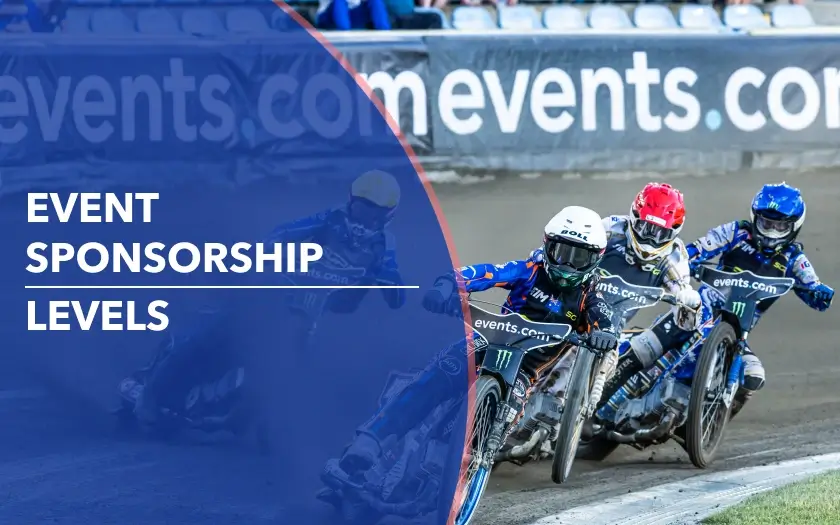
We’ve all seen the dreaded logo soup, the final slide where dozens of brand marks are squeezed together, competing for a second of recognition before the audience tunes out. For today’s sponsors, a logo on a wall is no longer enough to justify a check. A logo on a wall is forgettable. Outcomes are not.
This shift has turned event sponsorship levels from a simple pricing menu into the very architecture of your event’s success. Whether you are hosting an in-person gala, a virtual conference, or a complex hybrid summit, your sponsorship tiers define how value is created and captured.
This guide focuses on building structured tiers that actually convert, no matter the format of your event.
{{table-of-contents}}
What Are Event Sponsorship Levels?
.webp)
Event sponsorship levels are the structured tiers that group your sponsorship assets into clear partnership options for brands. Instead of presenting sponsors with a long, confusing list of individual opportunities, levels organize those assets into defined stages of involvement, each with a different scope of value, visibility, and investment.
To understand this clearly, it helps to separate three related but distinct concepts.
- Sponsorship assets are the individual touchpoints your event offers a sponsor, such as logo placements, speaking slots, virtual booths, or branded networking sessions.
- Sponsorship packages are curated bundles of those assets designed to achieve specific outcomes, like brand awareness or lead generation.
- Event sponsorship levels sit one step above packages, they rank and structure those bundles into tiered partnerships, such as entry-level, mid-tier, and premium sponsorships.
This tiered approach benefits both sides. For organizers, it makes pricing and scaling your event much simpler. For your sponsors, it removes the menu fatigue, as they can quickly compare tiers, see exactly what an upgrade gets them, and pick the level that fits their event budget and goals without the guesswork.
Start With Valued Sponsorship Assets

Before you can build your tiers, you must know the true market value of what you’re selling. Tiering without a prior valuation is like guessing the price of a house before inspecting the foundation; you risk either leaving money on the table or scaring away partners with overpriced, low-impact bundles.
Your valuation process should be based on four pillars:
- Reach: How many attendees will see or engage with it
- Exclusivity: whether the benefit is shared or reserved for one partner
- Effort: the cost, time, and resources required to deliver it
This data acts as your filter. High-reach, low-exclusivity assets (like logo walls) naturally slide into your entry-level tiers. Conversely, high-impact, exclusive assets, such as a keynote speaking slot or a private VIP lunch, are reserved strictly for your premium levels to justify a higher price point.
If you need help valuing these assets with confidence, check out Sponsor Genius Bar, a coaching and community program dedicated to event sponsorship. The program includes expert coaches who specialize in sponsorship valuation, along with a practical valuation calculator that removes the guesswork and math, helping you price sponsorship assets logically.
Core Principles for Building Event Sponsorship Levels
Designing effective event sponsorship levels requires more than stacking benefits into neat bundles. Strong tiers are built on clear strategic principles that protect value, simplify decision-making, and make sponsorship easy to sell.
Principle 1: Clear Value Progression
Every step up, from Bronze to Silver, or Silver to Gold, must feel like a meaningful evolution in impact. If the only difference between tiers is a slightly larger logo on a banner, sponsors won't see the ROI in upgrading. True progression introduces entirely new categories of access, such as moving from a digital ad (Awareness) to a dedicated breakout room (Engagement).
Principle 2: Scarcity and Exclusivity
Exclusivity is your strongest lever for increasing price tolerance. While you can have unlimited entry-level sponsors, your "Headline" or "Platinum" slots should be strictly limited, often to just one or two partners. When a brand knows they are the only ones with their logo on the main stage, the perceived value skyrockets because it offers something their competitors literally cannot buy.
Principle 3: Outcome-Based Thinking
Sponsors don't buy "levels"; they buy outcomes. A startup might want lead generation, while a global tech giant wants thought leadership. Your tiers should reflect these goals. Design your lower levels for broad brand awareness and your premium levels for high-touch interactions. When a tier aligns with a sponsor’s specific business objective, the price becomes secondary to the results.
Principle 4: Simple to Explain, Easy to Buy
If your sponsorship levels cannot be explained clearly on a single slide, they are too complicated. In actual proposals and sales conversations, organizers often have limited time to communicate value. Clean, simple tiers reduce friction, build confidence, and help sponsors make faster decisions without needing lengthy explanations.
.webp)
Common Naming Structures for Event Sponsorship Levels
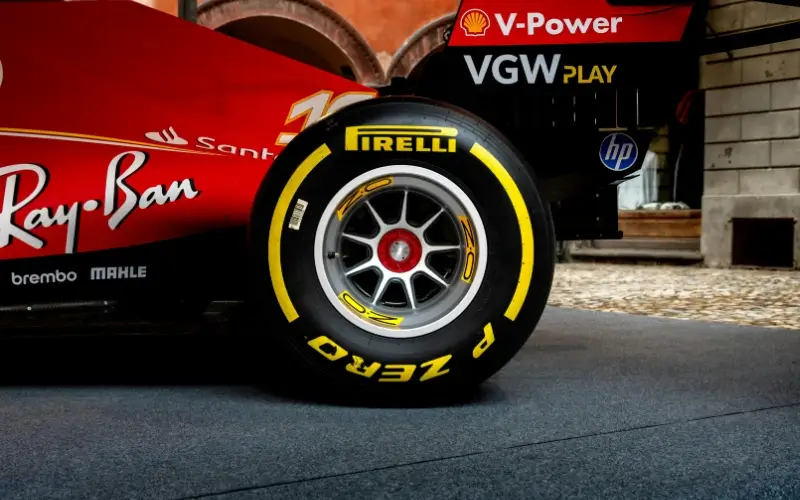
Choosing the right naming structure helps sponsors instantly understand their role and value within your event.
1. Classic Tier Naming (Most Common)
Bronze, Silver, Gold, and Platinum remain the most widely used structure, particularly for corporate, B2B, and conference-style events. These labels are universally understood, easy to compare, and reduce friction during the buying decision.
2. Role-Based Naming
Titles like Supporting Sponsor, Partner Sponsor, Strategic Partner, and Presenting Sponsor emphasize contribution and collaboration rather than hierarchy. This approach feels more partnership-driven and works well when positioning sponsors as long-term allies rather than advertisers.
3. Theme-Based Naming
Theme-based tiers are ideal for festivals, fundraisers, and community-focused events where creativity matters. Examples include Explorer, Innovator, and Leader, or Patron, Advocate, and Visionary, which align sponsorship with the event’s identity.
4. Hybrid Naming Approach
Combine clarity with creativity (e.g., "Gold Sponsor: Strategic Partner"). This ensures the sponsor feels special while their accounting department clearly understands the investment level. By pairing a recognizable tier with a descriptive title, you communicate both the prestige of the package and the specific nature of the relationship in a single glance.
Example Event Sponsorship Levels (What Goes in Each Tier)
.webp)
Once your assets are valued, event sponsorship levels bring structure and clarity by grouping those assets into clearly defined tiers. Below is a practical breakdown of what typical tiers look like.
Bronze / Entry-Level Sponsorship
Typical availability: 6–10 sponsors
This is your high-volume tier. It’s designed for brands that want to be seen without a heavy time or financial commitment. Bronze sponsorships deliver reliable visibility through shared, non-exclusive assets that introduce the sponsor to your audience. These partners primarily receive digital and print recognition, ensuring their logo is associated with the event's reach without requiring them to manage a physical or digital presence.
Typical inclusions:
- Logo on the event website and registration page
- Listing in the event guide or event app sponsor directory
- Group social media mention or shared sponsor post
Primary value: Visibility
This level works best when benefits are clearly positioned as awareness-driven, not engagement-heavy.
Silver / Mid-Level Sponsorship
Typical availability: 3–5 sponsors
Silver tiers build on visibility by adding interaction. These sponsors want attendees to recognize them and engage at least once during the event. By limiting these slots, you create a community of key supporters. This tier moves beyond the logo and gives the brand a physical or digital footprint.
Typical inclusions:
- All Bronze benefits
- Virtual or physical booth space
- Sponsored session break, coffee break, or networking moment
- Mention in at least one event-related email
Primary value: Visibility + interaction
Silver works well when benefits begin to feel participatory rather than purely promotional.
Gold / High-Engagement Sponsorship
Typical availability: 2–3 sponsors
Gold sponsorships are where engagement and data become central. These tiers include high-impact assets that allow sponsors to actively connect with attendees. Scarcity is critical here. With only a handful of slots, these sponsors stand out as authority figures. They aren't just present; they are contributing to the event’s narrative.
Typical inclusions:
- All Silver benefits
- Speaking slot, panel participation, or sponsored session
- Featured booth placement or premium digital exposure
- Enhanced lead capture or post-event engagement data
Primary value: Engagement + data
Gold sponsors expect measurable outcomes, not just impressions.
Platinum / Presenting Sponsorship
Typical availability: 1 sponsor
Platinum sponsorship represents full integration into the event experience and must remain strictly exclusive. This is the highest level of integration. By offering only one slot, you trigger a winner-takes-all mentality. This partner isn't just a sponsor; they are a co-pilot of the event experience.
Typical inclusions:
- Event or main-stage naming rights
- Keynote or headline visibility
- Exclusive branding on attendee lanyards or the login splash screen
- Dedicated sponsor communications or announcements
Primary value: Exclusivity + full integration
This tier works best when the sponsor feels inseparable from the event itself.
Common Mistakes When Creating Event Sponsorship Levels

Even the best-laid plans can fail if the structural logic is flawed. Avoid these common pitfalls to keep your credibility, and your margins, intact:
- Creating tiers before valuing assets: Never build tiers before valuing your assets. If you don't know the market price of a keynote slot, you’ll either leave money on the table or overprice your packages.
- Overloading lower tiers with low-impact benefits: Entry-level sponsorships should still feel valuable, but value comes from visibility, not volume. Offering a few highly visible, shared benefits is far more effective than packing tiers with minor logo placements that dilute impact and weaken the case for higher-level sponsorships.
- Selling “exclusive” benefits multiple times: Exclusivity loses all meaning if it is shared. Reusing the same “exclusive” asset across multiple sponsors damages trust and devalues premium tiers.
- Treating tiers as fixed instead of adaptable: Rigid packages often stall deals because one-size-fits-all bundles rarely align with every sponsor’s unique KPIs. To keep negotiations moving, treat your levels as strategic starting points. Build in flexibility by allowing benefit swaps (e.g., trading a speaking slot for an extra email blast) or offering à la carte add-ons that ensure the package hits their specific goals, whether it's brand awareness or direct sales.
- Ignoring post-event reporting: Without measurable outcomes, sponsors cannot assess ROI, making renewals significantly harder to secure.
Quick Checklist: Are Your Event Sponsorship Levels Strong?
Before sending out your prospectus, put your tiers to the test. A strong structure should allow you to answer Yes to every point below:
- Distinct Value Jumps: Does each level offer a tangible upgrade in access, or just more of the same?
- Protected Exclusivity: Are your high-tier “Headline” and “Presenting” slots strictly limited to create real scarcity?
- Goal Alignment: Can a sponsor clearly see which tier matches their specific need for either awareness, leads, or authority?
- Multi-Format Ready: Does the value hold up whether the attendee is joining from a physical seat or a virtual event platform?
Partnerships Over Clutter
Well-designed event sponsorship levels turn complexity into clarity. When tiers are simple, outcome-driven, and built on real asset value, sponsors decide faster and stay longer. The goal isn’t more packages; it’s a better structure that prioritizes business outcomes over visual noise.
As events evolve, your virtual event platform must be able to deliver on these tiered promises. Remo helps bring these levels to life with branded virtual spaces, dedicated sponsor activations, and the engagement data you need to prove ROI to your partners. Book a demo to see how to build a sponsorship strategy that scales across modern, interactive events.
Frequently Asked Questions about Event Sponsorship Levels
1. Why should I use sponsorship levels instead of custom deals only?
Tiers make it easier to scale sponsorship sales across different sponsor sizes and objectives. They provide clarity, allow sponsors to self-select based on goals and budget, and can reduce back-and-forth in negotiations.
2. Can sponsors customize their tier benefits?
Yes, you can offer à la carte options or swaps to tailor packages to specific sponsor goals while keeping core tiers as starting points.
3. How many levels should I have?
Most events use 3–5 tiers, such as Bronze through Platinum, but you can also customize names based on event theme or sponsor goals.
Aniqa Iqbal
Aniqa is a content writer at Remo, where she merges her love for storytelling from movies and TV shows with her passion for creating compelling content. With a knack for blending pop culture references and relatable narratives, Aniqa crafts content that informs and resonates deeply with readers. She aims to strike a chord with her audience, fostering genuine connections through words that inspire, engage, and entertain. When she's not writing, Aniqa can be found binge-watching her favorite shows, always on the lookout for the next story to tell.