Webinar Lead Generation for Attracting Better Leads Every Time


Webinars continue to be one of the strongest channels for B2B marketing. According to the 2025 Cvent Webinar Statistics Report, 73% of B2B marketers and sales leaders say webinars are the best way to generate high-quality leads. That’s a strong indicator that webinars don’t just attract attention. They attract the right kind of attention.
Why do they work so well? It comes down to trust, expertise, and real interaction. Webinar platforms create a space where people can hear directly from an expert, see ideas demonstrated clearly, and ask questions in real time. That level of connection is hard to achieve with ads, static content, or one-way messaging.
This guide breaks down everything needed to turn webinars into a dependable lead engine. It covers strategy, the different webinar formats that convert, how to choose the right topic, how to promote your event, and how to build a funnel that attracts engaged, high-intent attendees. It also explores webinar lead generation tools, hosting best practices, follow-up sequences, and the key metrics that show whether your webinar is working.
Think of this as a practical roadmap for creating webinars that don’t just draw an audience, but build a pipeline.
{{table-of-contents}}
Why Webinars Are One of the Most Powerful Lead Generation Channels
Webinars have become one of the most reliable ways to support B2B lead generation because they attract people who are already interested in the topic. When someone registers for a webinar, they’re not casually browsing, they’re showing real intent. That alone makes webinars one of the strongest channels for bringing in high-intent leads compared to most other marketing tactics.
Here’s why webinars consistently outperform other channels when it comes to generating qualified webinar leads:
- High-intent attendees: People sign up because they want real answers or solutions, which means they enter the webinar funnel already warmed up.
- Direct access to decision-makers: Many attendees are buyers, budget owners, or people actively researching options, which speeds up the lead-to-conversion path.
- Live Q&A builds trust: Real-time interaction makes a huge difference. When attendees ask questions and get honest answers, it strengthens credibility far more than static content ever could.
- Expert positioning: Webinars naturally frame your brand as the helpful expert, making it easier to nurture webinar leads without sounding sales-heavy.
- Ideal for nurturing and attracting: Webinars simultaneously re-engage existing contacts and bring in new prospects, which makes them powerful for both demand generation and lead nurturing.
- Lower cost than in-person workshops: No travel, no venue, no equipment rentals, meaning more ROI from every event marketing effort.
Because webinars combine education, conversation, and real-time engagement, they consistently generate higher-quality leads and create momentum that static, one-way webinar formats like prerecorded sessions or slide-only presentations can’t match.
Understanding Webinar Lead Generation: The Core Framework
Before diving into strategy, it helps to look at webinar lead generation as a simple, clear funnel. Every successful webinar follows the same basic flow, from attracting attention to converting high-quality leads after the event. Here’s how the pieces fit together:
A well-designed funnel doesn’t just bring in more webinar leads. It brings in better-quality leads who understand your expertise and are ready for the next conversation.
The Different Types of Webinars for Lead Generation

Once you understand the basic structure of the webinar lead generation funnel, the next step is choosing the right kind of webinar to run. Not all webinars attract the same audiences or produce the same quality of leads, and that’s exactly why picking the right format matters. The good news, there’s a webinar format for every goal, every industry, and every stage of the funnel.
- Educational webinars
This is the most popular format because it teaches something useful or solves a specific problem. It works especially well at the top of the funnel, drawing in people who are actively searching for answers and eager to learn. The more actionable the lesson, the stronger the trust.
- Product demo webinars
A perfect fit for bottom-of-funnel leads who want to see how a solution works in real time. Demo webinars walk through features, use cases, and real examples, helping prospects picture themselves using the product.
- Thought leadership panels
Panels showcase expertise, trends, and deeper industry insights. They boost credibility and appeal to new audiences who want expert perspectives rather than a sales pitch.
- Workshops or training webinars
Interactive and hands-on, these webinars guide attendees through a process step-by-step. Engagement tends to be high because people aren’t just watching, they’re participating.
Mixing formats across your webinar lead generation strategy helps guide prospects naturally from curiosity to conversion.
.webp)
How to Choose a Webinar Topic That Converts
Once you’ve decided on the type of webinar you’re hosting, the next step is choosing a topic that actually attracts high-intent attendees. The right topic is what pulls people into your webinar lead generation funnel and sets the tone for the entire experience. Reviewing successful webinar examples can help you shape a topic that feels specific, relevant, and directly tied to what your audience wants to achieve.
Here are the elements that matter most when picking a converting topic:
- Audience pain points: Start with what your ideal customers struggle with or repeatedly bring up in conversations.
- Keyword research: Look for topics your target attendees and event organizers actively search for, especially questions and “how-to” queries.
- Insights from sales calls: High-intent questions from prospects often make the best webinar topics.
- Questions your target attendees (potential leads) ask most: These reveal what attendees are trying to solve right now.
- Clear attendee outcomes: Choose a focused topic with a concrete takeaway. Narrow themes attract more qualified leads and set clear expectations.
When a webinar topic aligns with a real need and offers a clear outcome, it becomes far easier to attract engaged attendees who are ready to learn, and more likely to convert.
How to Build and Host a High-Converting Webinar

A strong webinar doesn’t start when the host goes live, and it doesn’t end when the room closes. It begins with discovery and registration, continues through preparation and live delivery, and finishes with intentional follow-up that converts interest into action. When each stage works together, the experience feels seamless rather than rushed or random.
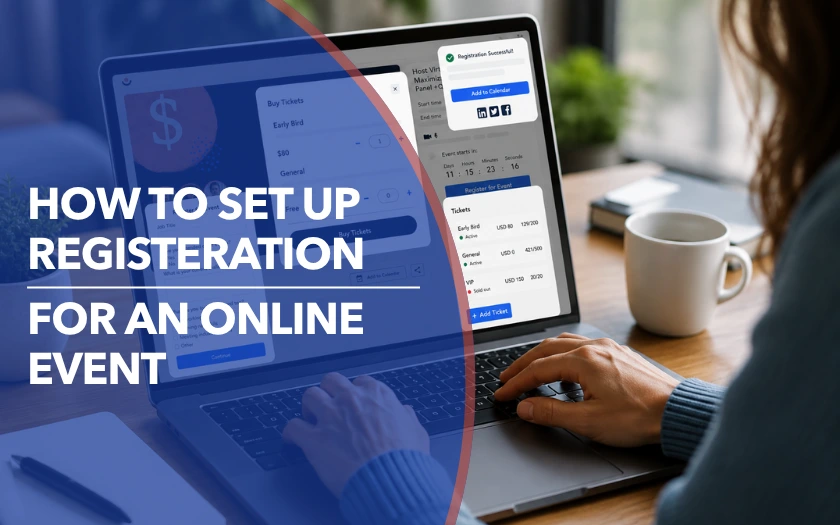
Step 1: Create a High-Converting Registration Page
Your registration page is the first real test of your webinar funnel. It should make a clear promise immediately so visitors understand why the webinar is worth their time. Spell out what they’ll learn in simple, specific language, and highlight the speaker’s credibility so attendees know they’re learning from someone with real expertise.
The registration form is also your best opportunity to collect meaningful attendee data. In addition to essentials like name, email address, and phone number, include a small number of qualifying questions such as role, company size, or current challenges. This event data allows you to segment leads, personalize follow-ups, prioritize high-intent prospects, and tailor offers based on what attendees actually need.
Step 2: Promote Your Webinar Across Multiple Channels
Even the best webinar will not fill itself. Promotion is what turns a great idea into real registrations, so it helps to show up in more than one place.
- Email marketing is still one of the most effective ways to drive registrations, especially if you already have a warm audience.
- Social channels like LinkedIn, Facebook, and X help reach new people and build visibility.
- Retargeting ads are useful for bringing back visitors who checked out the page but did not register.
- Partners and affiliates can quickly extend your reach when your topic is relevant to their audience.
- Your own website or blog is an easy win. A simple banner or CTA can capture interest from people already paying attention.
- Community spaces like industry Slack groups, associations, or niche forums are great for reaching high-intent attendees.
Step 3: Prepare for a Strong Live Experience
Preparation is what turns attendance into engagement and conversions. Start by dialing in your webinar content. Your slides should educate first, not pitch. Focus on clear visuals, simple frameworks, and takeaways attendees can use right away.
A few things to plan ahead of time:
- Assign a moderator to manage chat and questions so speakers can stay focused on delivery.
- Prep interactive moments like polls, prompts, or questions to keep energy up and make the session feel two-way, not one-sided.
- Plan engagement cues so attendees know when and how to participate throughout the session.
Step 4: Deliver Value and Build Trust Live
A strong opening anchors attention. Clearly explain what you’ll cover and what attendees will walk away with.
Teach generously throughout the session. Useful, actionable content builds trust and makes conversion feel natural. Use real examples or stories so the material feels grounded rather than theoretical.
Step 5: Present a Clear, Dedicated Call to Action
The CTA is not an afterthought. Treat it as its own moment.
Introduce the offer clearly and confidently. Explain what it is, who it’s for, the outcome it helps achieve, and why acting now makes sense. If the offer is low-friction or free, such as booking a consultation, starting a free trial, or accessing a resource, encourage attendees to sign up live.
Using platforms like Remo, you can present interactive content directly on stage, share clickable CTAs, and guide attendees in real time. Reinforce the CTA visually on your slides, mention it verbally, and drop the link in the live chat to make action simple and immediate.
Step 6: Follow Up and Convert After the Webinar
Most conversions happen after the webinar ends, so timing matters. Send the replay, key takeaways, and your core offer within a few hours while the session is still fresh. Adding slides, templates, or checklists helps extend the value beyond the live session.
From there, tailor your follow-ups based on what you know. Someone who attended live may need a different nudge than someone who registered but did not show up. High-intent leads often benefit from more direct outreach, like a one-to-one email or phone call, while others are better served through email or SMS.
Conversion rarely happens on the first touch. Strong webinar funnels rely on consistent, relevant follow-ups across email, phone, and SMS. When the next step is clear and repeated over time, people are far more likely to act.
Converting Webinar Attendees Into Leads and Customers
A great webinar creates interest, but interest alone doesn’t build your pipeline. The real results come from what happens next, how you present your offer, how you follow up, and how you personalize the journey for each type of attendee. This is where the webinar lead generation engine actually kicks in.
1. Make a Strong, Value-Driven Webinar CTA
The best webinar CTAs are simple, specific, and value-driven. Rather than ending with a vague “let us know if you have questions,” guide attendees toward one clear primary next step to avoid decision fatigue. Behind the scenes, you can support that main CTA with backup options for different levels of readiness, giving most attendees a relevant path forward without overwhelming the live experience.
High-converting CTA options include:
- A free strategy session: A low-friction yes for attendees who want personalized guidance
- An invitation to a course, membership, or product: Most effective when tied directly to what you just taught
- Limited-time offers: Short windows create urgency without pressure
- Bonus materials: Templates, checklists, private sessions, or extended trials that reduce hesitation
When you present the offer, clearly explain who it’s for, the outcome it helps achieve, and why acting now makes sense. Reinforce the CTA visually on your slides, share the link in chat, and follow up after the webinar with personalized messaging for attendees who weren’t ready to act live.
2. Build a Post-Webinar Nurture Sequence
A single follow-up email won’t convert most people. A structured nurture sequence bridges the gap between “this was helpful” and “I’m ready to move forward.”
A strong sequence usually includes 5–7 emails over 10 days, each serving a distinct purpose:
- Case studies: Real stories make the offer feel achievable.
- Additional resources: Mini-guides, worksheets, or bonus tips reinforce your expertise.
- Social proof: Testimonials, results, or screenshots of wins from others.
- Progressively stronger CTAs: Each email nudges the attendee toward taking the next step.
The tone should stay warm, helpful, and rooted in the value you promised during the webinar.
3. Segmenting Leads After the Webinar
Not every attendee is at the same stage of readiness. Segmenting helps you speak directly to where they are in the decision process:
- Hot leads: People who engaged heavily, asked detailed questions, or clicked the CTA. These leads should get direct outreach or a personal invite to a call.
- Warm leads: Interested but not ready. Send case studies, comparison guides, and gentle reminders.
- Cold leads: Low engagement or passive viewing. Keep them in long-term nurture sequences with educational content.
Personalizing outreach based on intent signals ensures you’re not treating every lead the same, and that alone can dramatically improve conversions. A well-structured conversion system turns your webinar from a one-hour event into a long-lasting source of qualified, ready-to-talk leads.
The Best Tools and Platforms for Webinar Lead Generation
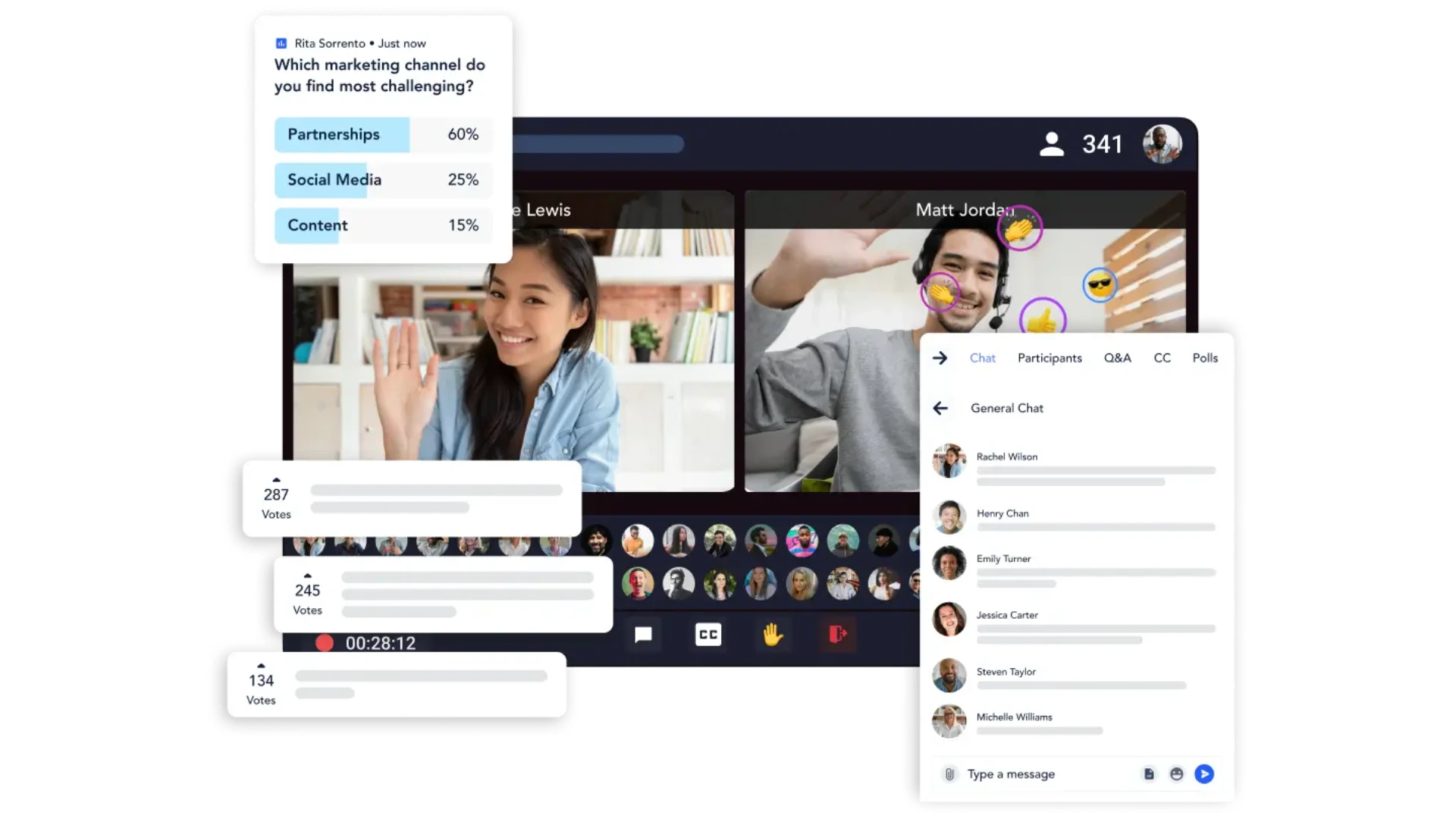
The right webinar platform simplifies lead generation from registration through follow-up by bringing essential tools into one cohesive experience. Top webinar platforms typically include:
- Registration and landing page features: Build branded registration pages, confirmation screens, and post-event CTAs that clearly communicate value and reduce friction.
- Email and reminder automation: Send confirmations, reminders, replays, and follow-ups automatically to increase attendance and conversions.
- Live engagement features: Engagement tools such as polls, Q&A, chat, and breakout-style conversations that keep attendees actively participating. Platforms like Remo also support more immersive layouts that make interactions feel natural rather than one-way.
- Brandable event environments: Custom branding, layouts, and visual elements that reinforce your event and company identity throughout the experience.
- Analytics and reporting: Track registrations, attendance, engagement, and CTA clicks so you can measure performance and improve future webinars.
The best webinar platforms aren’t the most complex. They’re the ones that bring these capabilities together in a way that feels intuitive, engaging, and easy to manage for both organizers and attendees.
How to Measure Webinar Lead Generation Success
A webinar can feel successful in the moment with strong attendance, active chat, and positive feedback. But real webinar lead generation success comes from how many attendees actually took advantage of your offer. Looking at post-event conversion metrics shows what truly worked, what didn’t, and where to fine-tune your next webinar.
Here are the key performance metrics to track:
- Show-up rate: The percentage of registrants who attended live. Strong reminder sequences and clear expectations help improve this number.
- CTA conversion rate: How many attendees took the next step after the webinar, whether that’s booking a call, starting a trial, or downloading a resource.
- Post-webinar meeting bookings: A strong indicator of high-intent leads for B2B webinars, when booking a meeting is offered as a CTA during or after the session.
- Customer acquisition: How many registrants or attendees eventually became customers, often the most meaningful long-term metric.
- ROI: The overall return on the time, resources, and tools invested in the webinar.
When viewed together, these event metrics give you a clear picture of your webinar’s true impact. They highlight where your funnel is strong, where prospects are stalling, and how to make your next webinar convert even better.
Turning Your Webinar Strategy Into a Lead Engine
Webinars become a reliable lead engine when every part of the experience works together, from the topic and format to delivery and follow-up. When those pieces are aligned, a webinar does more than share information. It builds trust, creates clarity, and moves the right attendees toward a clear next step.
That progress happens through engagement. The strongest webinars feel like conversations, not presentations. Attendees stay involved, ask questions, and leave with practical insights they can actually use. That sense of connection is what turns attention into intent.
With the right tools supporting that experience, webinars can evolve from one-off events into a consistent way to attract and convert qualified leads. If you want to see how a more interactive, immersive webinar can support your goals, you can book a quick demo on Remo.
Frequently Asked Questions about Webinar Lead Generation
1. How do you create a successful lead generation webinar?
A successful lead generation webinar starts with a specific topic, a clear promise, and a well-structured funnel. Strong promotion, interactive content, and a compelling CTA help convert attendees into qualified leads.
2. Are webinars actually good for lead generation, and when do they work best?
Yes, webinars are one of the most effective ways to generate high-intent leads. They work best when the audience has a real problem to solve, when expertise matters, or when the buying process involves research and comparison.
4. How do I choose a webinar topic that attracts the right audience?
Choose a topic based on real pain points, keyword demand, sales questions, and the outcome your ideal audience wants. Specific, narrow topics attract more qualified attendees than broad, general ones.
5. How many leads should I expect from a webinar, and what is a good conversion rate?
Results vary, but many webinars convert 30–40% of website visitors into registrants, 35–50% of registrants into attendees, and 5–20% of attendees into opportunities, depending on the industry and offer.
Zainab Asad
Zainab Asad is a Content Writer at Remo, contributing to the platform's mission of fostering authentic virtual connections. With a keen eye for detail and a passion for effective communication, she crafts engaging content that empowers event professionals to create memorable virtual experiences.


%20(2).png)