Beyond the Booth: Innovative Virtual Career Fair Ideas for Modern Campuses and Organizations

Virtual career fairs are now common on most campuses and in many organizations, but attendance does not always mean engagement. Many students log in, scroll through long lists of company logos, join a few waiting rooms, have short formal conversations, and leave without forming real connections. After a few experiences like this, it is easy to understand why engagement starts to drop.
What makes a virtual career fair successful today is not just the virtual job fair platform but the way the event is designed. The most effective events move away from structured queues and short one on one conversations and instead create spaces for group discussions, informal networking, and spontaneous interactions. The goal is to create an environment where conversations happen naturally, not just a place where resumes are collected.
This is why organizers need to start thinking beyond the booth and explore more creative virtual career fair ideas that transform a standard online event into something that feels more like a campus career fair than a webinar.
{{table-of-contents}}
Traditional vs. Modern Virtual Career Fairs
When colleges first moved career fairs online, most events copied the structure of physical fairs. Employers were placed into digital booths, students clicked through company lists, and conversations happened through scheduled video calls. This structure worked well because it was familiar and easy to organize. However, virtual events are not limited by physical space or fixed schedules, which means organizers can add formats like group networking, panel sessions, mentoring rounds, and interactive activities alongside traditional booths.
Modern virtual career fair ideas build on the booth model but expand how people interact during the event. Instead of only visiting booths, attendees can join panels, networking tables, mentoring sessions, and employer presentations within the same environment and move between them easily. This allows participants to explore different conversations and opportunities more fluidly, similar to moving between different areas of an event.
The difference between traditional and modern virtual career fairs becomes clear when you compare how they are structured.
This shift in structure is what allows organizers to introduce more creative and engaging virtual career fair ideas, which we will explore in the next section.
10+ Virtual Career Fair Ideas
When a virtual career fair moves beyond static booths, the event becomes something attendees explore instead of simply attend. The most memorable events are the ones where there is always somewhere to go and someone new to meet.
1. Industry Based Booth Areas
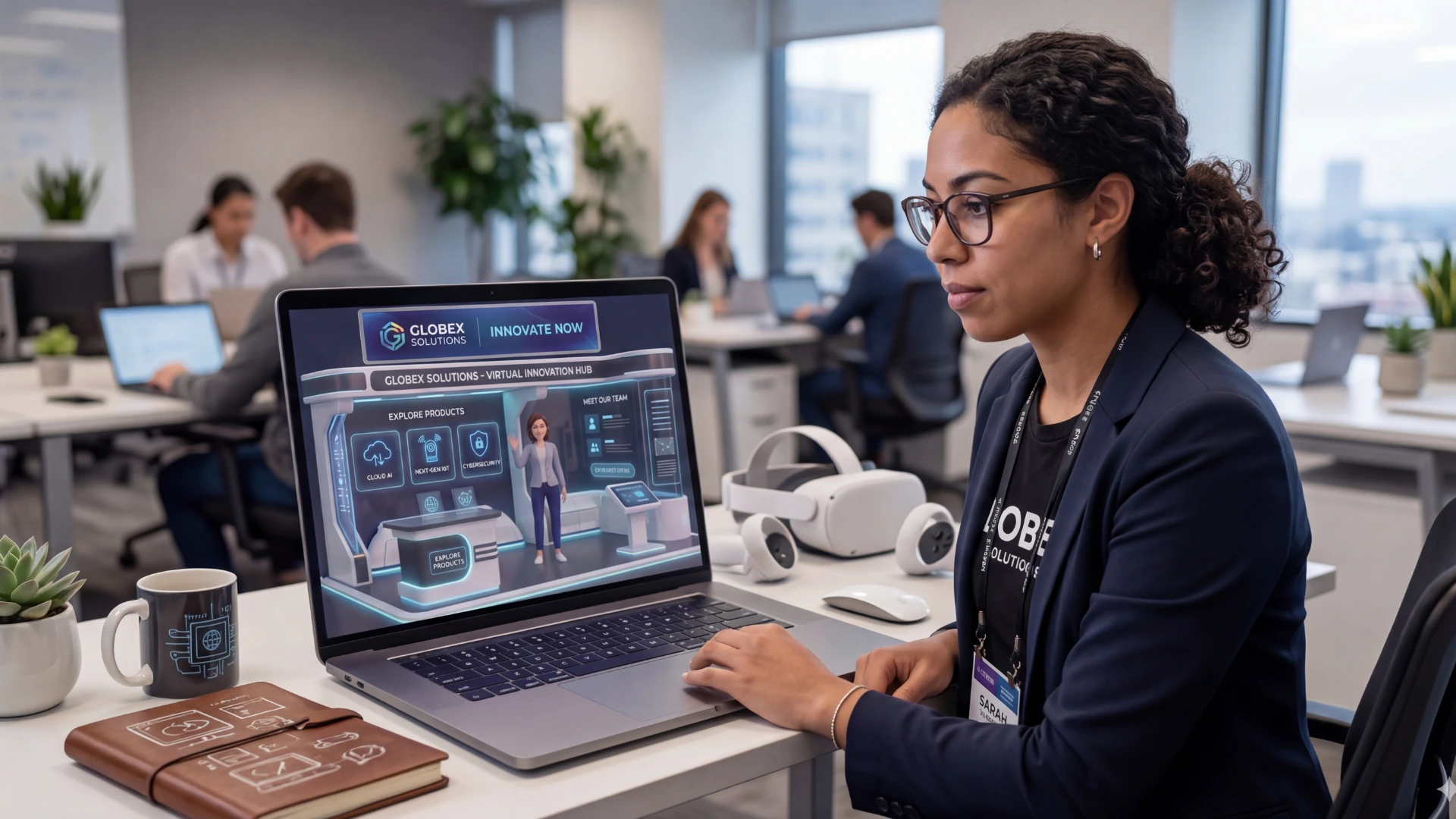
One way to improve a virtual career fair without changing the entire structure is to organize employer booths by industry instead of listing companies alphabetically. For example, you can create areas for Technology, Healthcare, Finance, Marketing, or Startups so students can easily find employers related to their interests.
This makes the event easier to navigate and helps students compare companies within the same field. It also improves conversations because students visiting those virtual booths are usually already interested in that industry, which leads to more relevant discussions between recruiters and candidates.
This is a simple change, but it can significantly improve how attendees move through the event and how employers meet relevant candidates.
2. Panel to Table Networking
Panel to table networking starts with a short panel discussion featuring employers, alumni, or industry professionals. After the panel ends, each speaker moves to a virtual table where attendees can join small group conversations and continue the discussion. Instead of starting every conversation from the beginning, students can ask follow up questions based on the panel topics.
This format works well because it makes networking easier for students and more efficient for recruiters. The panel introduces the companies and topics, and the table discussions allow for more detailed conversations in smaller groups.
3. Speed Mentoring Rounds
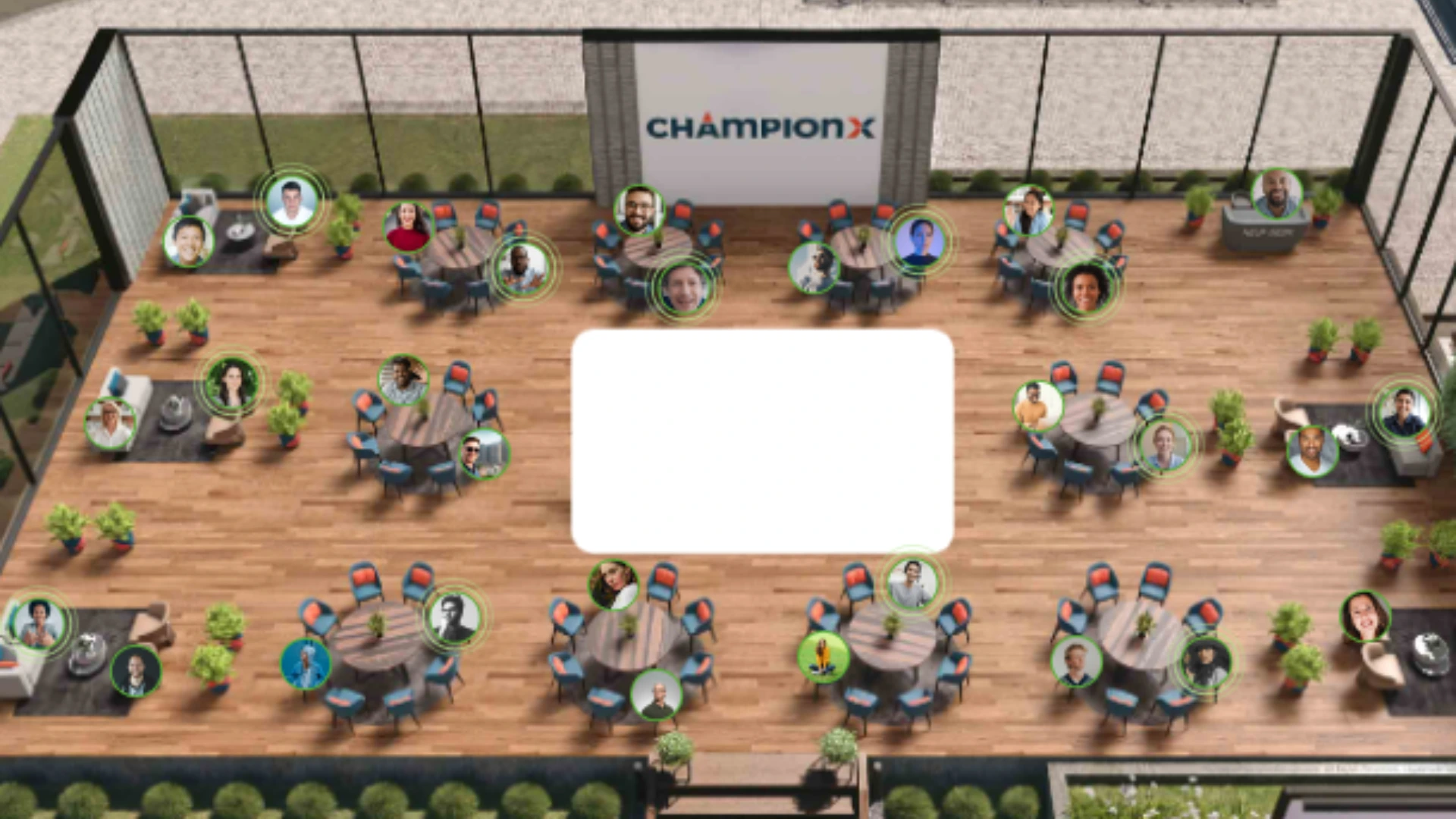
Some students attend career fairs with a clear plan, but many attend because they want to explore different options. Speed mentoring (similar to speed dating) rounds are designed for this type of attendee. Instead of choosing which companies to visit and waiting for conversations, students rotate between employer tables every few minutes and meet multiple recruiters in a short amount of time.
This format shifts the energy from slow booth interactions to a high-paced, high-engagement environment. The faster rhythm keeps both students and recruiters focused, making initial introductions feel natural and far less intimidating.
.webp)
4. Day in the Life Employer Showcase
Many students attend career fairs with only a vague idea of what a job actually looks like. Job titles like analyst, coordinator, associate, or engineer can mean very different things depending on the company. A Day in the Life employer showcase helps bridge this gap by focusing less on company presentations and more on real work.
During the event, employers can run short showcase sessions where an employee walks through a typical workday, recent projects, tools they use, and how their team works. This could be a short presentation, a recorded video, or a live walkthrough of a project. By focusing on real tasks and workflows, students can better understand what the role actually involves and ask more specific questions during networking.
5. Elevator Pitch Competition

Career fairs are often one of the few places where students have to introduce themselves professionally in a very short amount of time. An elevator pitch competition turns this into an activity instead of a stressful moment. Attendees can volunteer to give short introductions about themselves, their skills, and the type of role they are looking for, usually in under one minute.
Recruiters or judges can give feedback, and the audience can vote for the most memorable pitch. This type of session is useful because it helps students practice communication skills while also making them more visible to employers. It also adds energy to the event since it creates a live session that is interactive rather than purely informational.
6. Leaderboard Gamification
One challenge with virtual events is that some attendees join a session or two and then leave early. Gamification is a simple way to encourage attendees to explore more of the event. A leaderboard system can award points for activities like visiting employer tables, attending sessions, asking questions, or participating in networking activities.
When students can see their names on a leaderboard, they are more likely to stay active and move around the event instead of staying in one place. Small prizes such as gift cards, mentorship sessions, or resume reviews can be offered to top participants. This turns the career fair into a more interactive experience and encourages attendees to engage with more employers and sessions throughout the event.
7. Digital Passport Challenge

One of the easiest ways to encourage job seekers or students to explore the entire event instead of visiting only one or two employers is to introduce a digital passport challenge. When attendees join the event, they receive a virtual passport card, and every time they visit an employer table, attend a session, or participate in an activity, they receive a stamp.
The goal is to collect a certain number of stamps by the end of the event. Attendees who complete their passport can be entered into a prize draw or receive rewards such as career coaching sessions, resume reviews, or virtual swag bags.
8. Hidden Scavenger Hunt
Another way to make the event more interactive is to turn the virtual space into a scavenger hunt. Organizers can hide clues, questions, or small challenges across different employer tables, networking areas, or session rooms. To complete the scavenger hunt, attendees must visit multiple areas of the event and talk to different employers or alumni to find the answers.
This idea works especially well for university career fairs because alumni can be part of the activity. For example, attendees might need to find an alumnus working in a specific industry or ask a recruiter a particular question to get the next clue.
9. Resume Feedback Stations
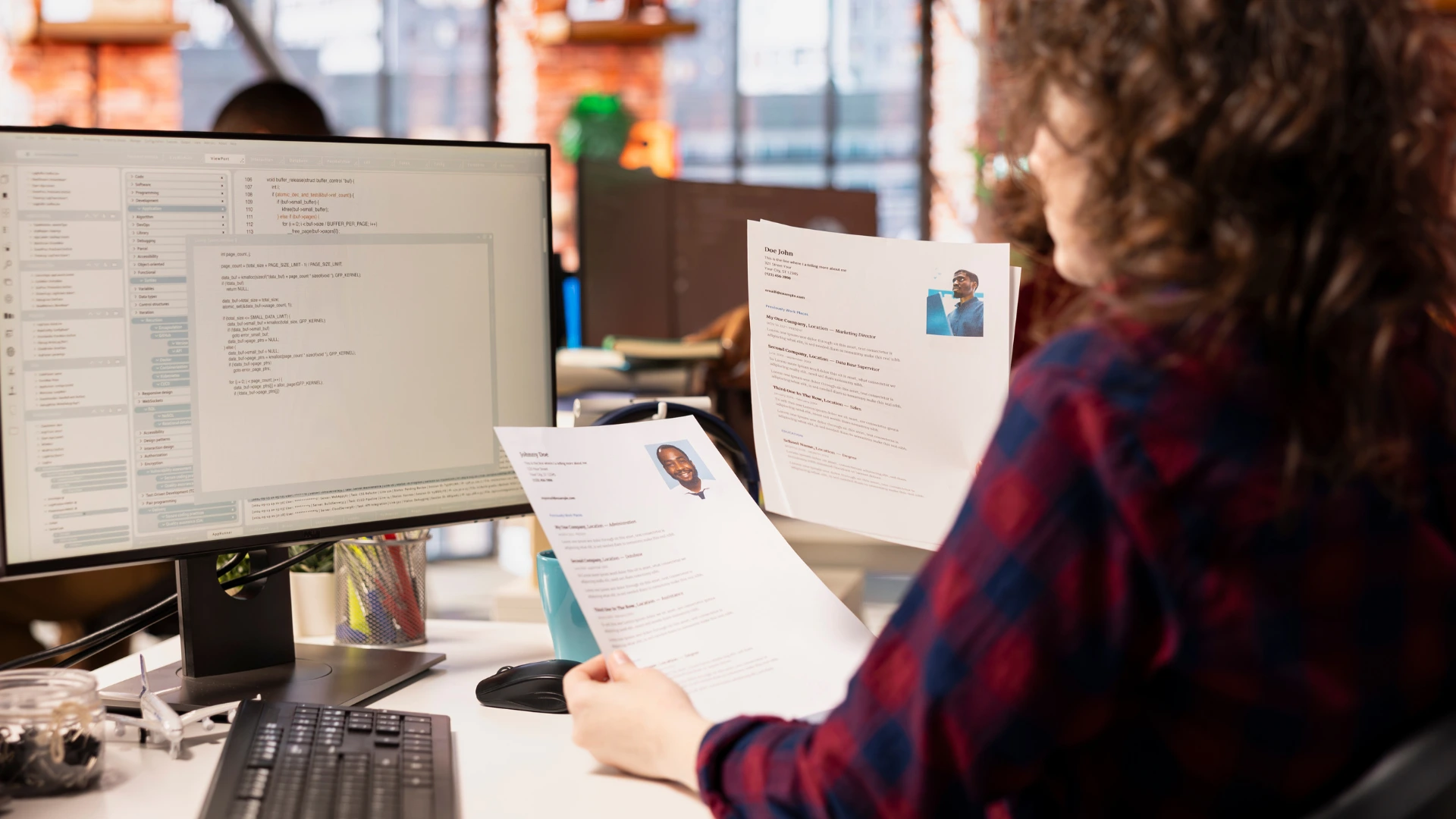
Not every conversation at a career fair needs to be about job openings. Resume feedback stations shift the focus from hiring to mentorship. By offering quick critiques from recruiters or alumni, these stations provide a low-pressure way for students to engage, especially those not yet ready to apply.
This adds a supportive, high-value layer to the event, replacing the stress of recruitment with helpful career guidance.
10. Ask Me Anything with Junior Employees
Students often find it easier to talk to someone who was in their position just a few years ago. An Ask Me Anything session hosted by junior employees or recent graduates creates a more relaxed environment where attendees can ask honest questions about first jobs, company culture, work life balance, and career growth.
These conversations are usually more open and less formal than recruiter conversations, which makes them very popular with students.
11. The Prep Lounge Pre Event
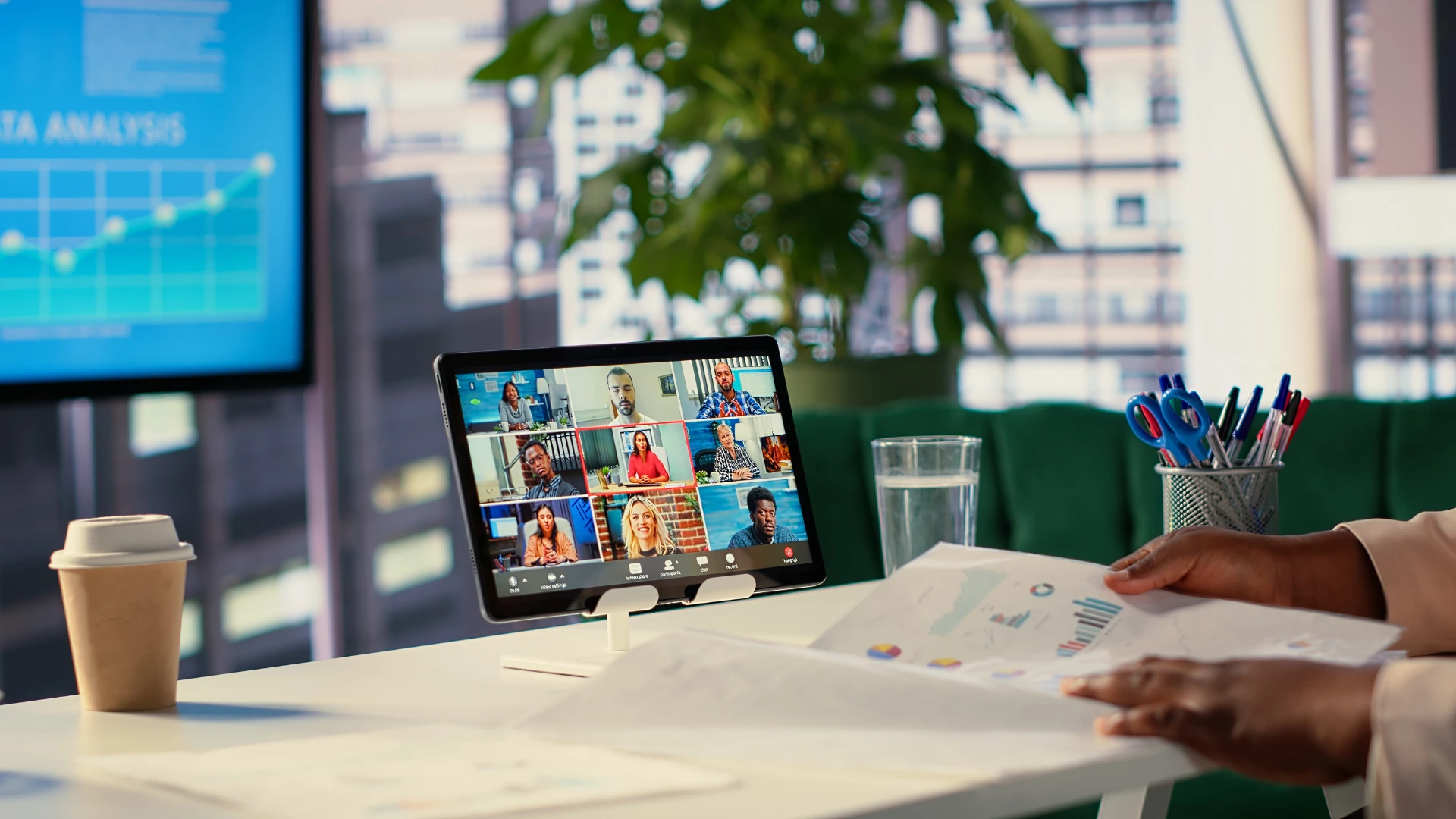
Organizers can open a prep lounge before the event where attendees can test their audio and video, review the event layout, practice elevator pitches, and get quick resume feedback.
This helps reduce technical issues and anxiety on the actual event day. By the time the career fair officially begins, attendees already feel more confident and prepared, which usually leads to better conversations and higher participation during the main event.
12. Employer Office Hours Post Event
The event experience does not have to end when the career fair closes. Employer office hours can be scheduled after the main event where recruiters keep their virtual tables open for follow up conversations, interviews, or deeper discussions with candidates they met earlier.
This gives employers more time to connect with strong candidates and gives students another opportunity to ask questions they may not have had time to ask during the main event. It also extends the value of the career fair beyond a single day.
Virtual Career Fair Ideas That Go Beyond Booths
Booths are still the foundation of every career fair, whether the event is virtual or in person. The goal is not to replace booths but to build more activities and networking opportunities around them. These virtual career fair ideas focus on networking, panels, mentoring, and interactive activities that make events more engaging. If you are planning your next virtual career fair, you can book a demo with Remo to see how interactive career fairs work in practice.
Frequently Asked Questions about Virtual Career Fair Ideas
1. How can I make a virtual career fair as engaging and interactive as an in person fair
Focus on interaction instead of presentations. Use group networking tables, panel sessions, speed mentoring, resume reviews, and gamification activities to keep attendees moving and participating throughout the event.
2. What are some creative virtual career fair ideas beyond standard employer booths and text chat
Creative virtual career fair ideas include industry themed areas, employer showcase sessions, elevator pitch competitions, scavenger hunts, alumni networking sessions, and pre event prep lounges.
3. How do I facilitate meaningful networking and one on one connections between students and employers in a virtual setting
Use structured networking formats like speed networking, small group discussions, and employer office hours. Follow up sessions after the event also help continue conversations and build stronger connections.
Zainab Asad
Zainab Asad is a Content Writer at Remo, contributing to the platform's mission of fostering authentic virtual connections. With a keen eye for detail and a passion for effective communication, she crafts engaging content that empowers event professionals to create memorable virtual experiences.