19 Brand Activation Ideas to Engage Your Audience

Brand activation used to be about getting noticed. Today, it’s about being impossible to forget.
In an age of digital noise, audiences are overwhelmed with ads, events, and content competing for their attention. Logos, slogans, and traditional promotions rarely leave a lasting impression on their own. What does break through the noise are experiences. The moments where people don’t just see a brand, but interact with it, feel something, and take that memory with them.
Whether through high-impact physical stunts or immersive virtual event platforms, the goal remains the same: to turn a brand promise into a lived reality. This guide explains what brand activation is and provides 19 actionable brand activation ideas to help you move from "just another event" to a high-conversion brand moment.
{{table-of-contents}}
What Is Brand Activation?
Think of brand activation as the moment a brand stops being a logo on a screen and starts being something you can actually experience.
At its core, brand activation is an interactive handshake between a brand and its audience. Instead of just telling people what a brand stands for through a static ad, activation invites them to step inside that promise and experience it firsthand. It’s participatory, immersive, and often memorable because it asks for involvement, not just attention.
It’s the difference between seeing a photo of a car and actually getting behind the wheel for a test drive. Brand activation is specifically designed to create a reaction, spark curiosity, and start a conversation.
Where Activation Lives
The beauty of brand activation is that it isn’t tied to a single spot. It can show up in a few different ways:
- Inside an event: A high-energy booth at a virtual conference, a sponsored lounge at a music festival, or a product demo at a trade show.
- Alongside an event: A pop-up shop just outside a stadium during a major game, designed to catch people in the moment.
- Standalone moments: A street-level stunt, a surprise digital campaign, or a pop-up installation that exists entirely on its own.
What Brand Activation Isn’t
It’s easy to get brand activation confused with other marketing terms, so let's clear the air:
- It isn’t just sponsorship: Putting your logo on a lanyard is exposure; giving someone a place to co-create a piece of digital art is activation.
- It isn’t just an experiential event: While they share DNA, an experiential event is the entire show. A brand activation is a specific, focused moment within that show (or standing alone) meant to bring the brand to life.
- It isn’t just a spectacle: When done well, a brand activation isn’t a spectacle for spectacle’s sake, but about creating a meaningful interaction that supports a clear brand goal.
Core Elements of a Successful Brand Activation
We’ve all seen it. Some brand activations draw a crowd and spark conversation. Others get walked past without a second look. The difference isn’t how much was spent; it’s how the activation was built. The strongest ones all share the same core foundations.
Start with a Clear Objective
You’d be surprised how many people build an expensive installation without knowing why. Are you trying to gather leads? Change a boring brand perception? Launch a new product? A successful activation is designed backwards from the outcome it is meant to achieve. If you don't know what a win looks like, you’re just making noise.
Know Who You’re Talking To (Audience Relevance)
An activation only works if it feels relevant to the people experiencing it. You have to understand what your crowd cares about and, more importantly, what they don't. When an activation taps into an existing passion or solves a real pain point, participation feels like a choice. When it doesn't, it feels like an interruption.
Focus on Doing, Not Watching
This is the heart of activation. It’s built on action. Whether it’s testing a product, co-creating a piece of art, or making a high-stakes decision in a game, the audience needs a role to play. The most memorable moments happen when the attendee feels like their presence actually changed the outcome of the experience.
Aim for the Heart (Emotional Impact)
Long after people forget the specific features of your product, they will remember how you made them feel. Does your activation ignite a sense of surprise? Joy? Curiosity? Emotional connection is the pillar that turns a 30-second interaction into a story they tell others later.
Keep the Message Intuitive
If you have to explain your activation for more than five minutes, it’s already failed. The best activations speak for themselves. The message should be so tightly integrated into the experience that the attendee gets it instinctively.
Design for the "Afterlife" (Shareability)
In 2026, if an activation isn’t shareable, did it even happen? A great activation is designed to live on long after the physical or virtual space is packed away. Whether it’s a visually stunning Instagrammable moment or a story so unique people have to tweet about it, shareability turns 100 on-site participants into 100,000 digital impressions.
When these elements come together, brand activations move beyond novelty. They become intentional experiences that create connection, communicate value, and leave a lasting impression, long after the moment itself is over.
19 Brand Activation Ideas That Actually Work
.webp)
In a world where consumers see thousands of ads a day, the only way to stick is to stop being a distraction and start being the destination. This section explores 19 brand activation ideas that give audiences an experience to live, and give brands a story they’ll carry forward.
1. The New Era of Photo Booths
Forget the grainy strips of film from ten years ago. Modern photo activations use 360-degree cameras, glam bots (high-speed robotic cameras), or Augmented Reality (AR) filters that let attendees interact with digital brand elements. The goal is to produce high-end, Instagram-ready content that looks professional and feels exclusive.
2. The "Pop-Up" Moment
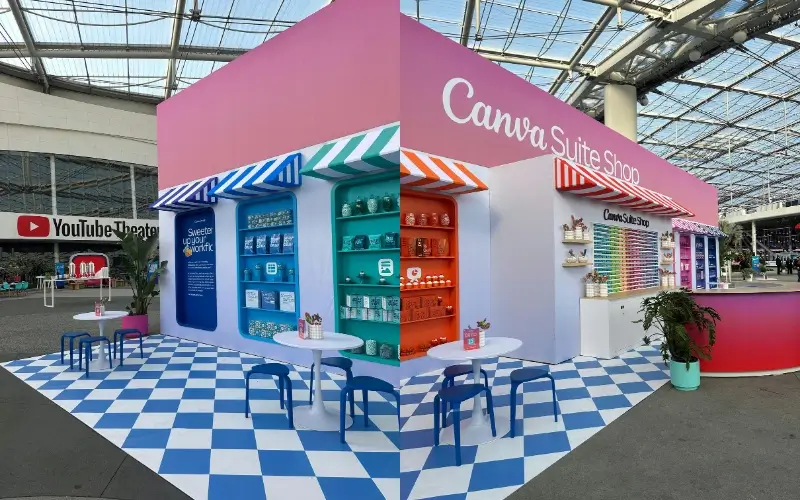
Whether it’s a shipping container turned into a boutique or a digital secret room, pop-ups work because they are temporary. That "here today, gone tomorrow" energy creates a sense of urgency (FOMO) that drives instant engagement. This can be done virtually using the right online exhibition platform with custom-designed floor plans that mirror a brand’s flagship store or a 3D walkable environment.
.webp)
3. Intentional Hashtags
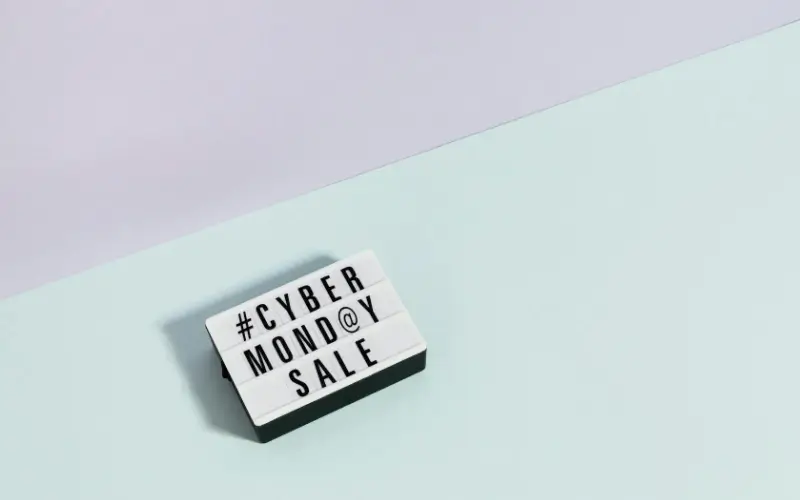
A hashtag shouldn't just be the name of your brand. It should be a call to action or a shared identity. When it’s short, punchy, and visible everywhere, from floor decals to the digital lobby, it centralizes the conversation and makes your event searchable and trending. For example, instead of using a generic hashtag like #BrandName2025, a fitness brand hosting a launch event might use something like #MoveTheWorld. It shifts the focus from a corporate name to a shared mission, encouraging attendees to tag their own content as part of a global movement.
4. Interactive Social Walls
These are live, real-time feeds that aggregate every post using your event/brand hashtag and display them on giant screens. It creates an instant fame factor. When attendees see their own faces or thoughts on a 20-foot screen, they are much more likely to keep posting and engaging with the brand throughout the day.
5. Branded Walkthroughs
These are curated journeys where the attendee follows a specific path. Think of it like a museum exhibit for a brand. You might start with the history of the product, move through a process room, and end in a future lounge. It’s a controlled narrative that ensures the attendee sees exactly what you want them to see.
6. Experience-Led Design
This is about vibe over vending. Instead of shelves of products, you create a space that reflects the brand’s feeling. A rugged outdoor brand might create a pop-up filled with real pine trees and the sound of a rushing river, even if it's in the middle of a concrete convention center.
7. Influencer-Hosted Events, Demos & Masterclasses

Why have a brand rep host an event when a trusted creator can do it? If you sell skincare, have a beauty influencer lead a live workshop using your products. If you sell tech, let a YouTuber do a first-look teardown in front of a live audience. Letting an influencer lead the workshop moves the interaction from a corporate sales pitch to authentic educational content.
8. Community Amplification
Influencers are your best translators. They know exactly how to talk to their niche in a way that resonates. By giving them early access or exclusive areas within your activation, you give them the raw materials to create stories that feel like a VIP insider look for their fans at home.
9. Public Stunts & Spectacles
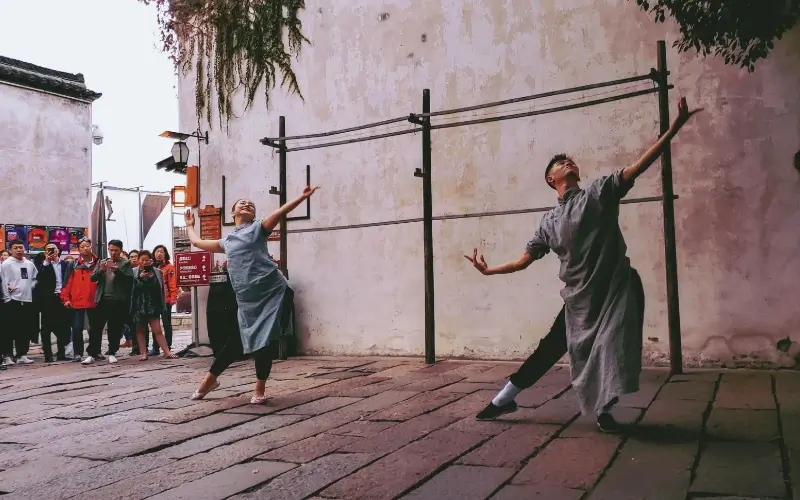
This is about doing something impossible or out-of-place. Think of a giant product replica or brand mascot appearing in a city square. The key is visual scale. The audience is primarily reacting to what they see, and the moment is designed to stop people in their tracks and trigger recording and sharing.
10. Disruptive Brand Moments
These activations interrupt the ordinary by bringing your brand into unlikely places in useful or delightful ways. For example, a coffee brand setting up a secret free espresso bar inside a massive tech conference is a disruption that creates instant brand love.
11. Surprise-Driven Engagement
This involves rewarding unsuspecting people. For example, an airline sponsoring a vending machine that gives out free flights instead of soda, or a talking billboard that interacts with passersby. The element of random acts of kindness makes the brand feel human and approachable.
12. Scavenger Hunts (Physical & Digital)
Scavenger hunts are one of the most effective ways to drive foot traffic and embed a brand message into exploration. By placing QR codes, branded challenges, or hidden items at different virtual booths or virtual rooms, attendees are encouraged to move through your entire ecosystem while interacting with key brand touchpoints along the way. Each clue, task, or reward can highlight a product feature, value, or story, turning exploration into brand discovery.
On a platform like Remo, you can hide Easter eggs or secret clues in different conversation virtual tables, keeping attendees moving, curious, and consistently engaging with the brand rather than passively consuming content.
13. Mystery & Escape Room Style Activations
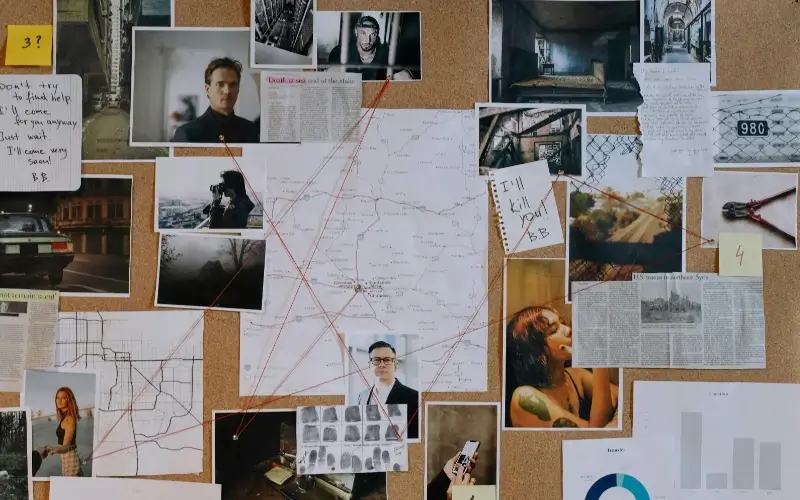
These activations are high-immersion experiences that require collaboration. By locking a group of people in a branded scenario, like solving a tech crisis using your software, you compel them to interact deeply with your product's features to escape.
14. Interactive Digital Surfaces
These surfaces turn passive spaces into branded interactions. By reacting to touch or movement, they let people explore a brand through action rather than messaging. For example, a sportswear brand might use a motion-reactive floor where each step triggers visuals of different running terrains and shoe features, allowing attendees to “test” performance benefits by moving through the space. The environment itself becomes a hands-on brand experience that’s memorable and easy to share.
15. CSR (Corporate Social Responsibility) Initiatives
Instead of just writing a check, invite your audience to help. This could be a "build-a-kit" station for a local shelter, or a promise that for every person who completes a specific interaction at your booth, the brand will plant a tree or donate a meal. It makes the attendee a partner in your impact.
16. Community-Focused Activations
Focus on the people right in front of you. This could look like providing free workspace for local startups, hosting mentorship sessions, or creating a safe space lounge at a high-stress event.
17. Instant Reward Loops
In a brand activation, instant reward loops motivate attendees to actively engage with your brand instead of passively walking by. For example, a software company might offer a digital “scratch-and-win” card that unlocks after visitors complete a short product demo, while a beverage brand could reveal mystery prizes when attendees scan a QR code and sample a new flavor. By tying immediate rewards directly to brand interactions, these loops turn engagement into action and make the activation feel fun, purposeful, and memorable.
18. Augmented Reality (AR) Overlays
AR for events is the perfect bridge between the physical and digital worlds. In a brand activation, this could look like a fashion brand using AR mirrors at a pop-up so attendees can virtually try on outfits without changing rooms, or a consumer electronics brand allowing visitors to scan product packaging to unlock a 3D interactive demo. By layering digital interaction onto physical spaces, AR transforms passive displays into moments of exploration that bring the product to life.
19. Virtual Reality (VR) Immersion
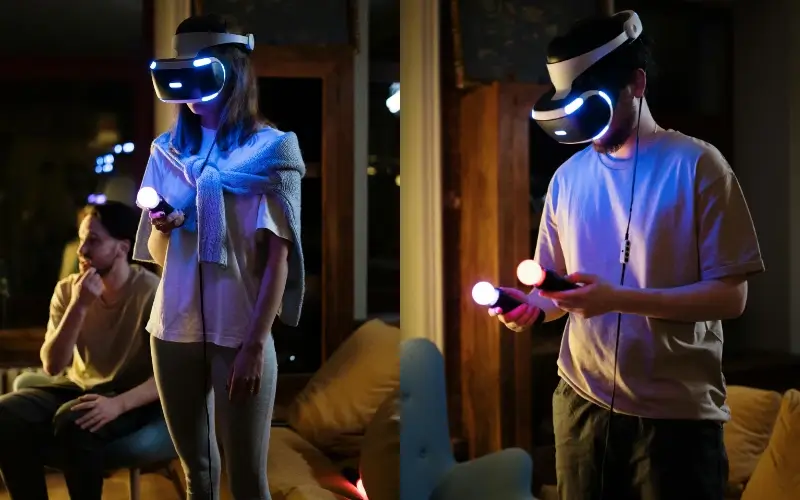
While AR layers onto the real world, VR for events replaces it entirely, making it a powerful tool for brand-led storytelling. In a brand activation, VR can transport attendees into the heart of a brand’s world, for example, taking them from a busy trade show floor to a coffee plantation to experience sourcing practices, or inside a manufacturing facility to see how a product is made. By controlling the entire environment, VR creates deep focus and emotional connection, helping attendees understand the brand through experience rather than explanation.
If you want to read through more examples of XR and AI being used at events or brand activations, check out our report State of XR & AI in Events Report 2025.
Brand Activation Ideas in Practice

Frameworks are great, but seeing these ideas in the wild is where the lightbulb usually turns on. These real-world examples show how top brands bridge the gap between a flashy concept and a measurable, high-impact experience.
Patagonia’s "Worn Wear" Tour
Patagonia, the clothing brand, stepped away from the traditional retail model by sending a mobile repair wagon across the country to fix old gear for free, regardless of the brand. By encouraging customers to keep their gear in action rather than buying new products, they turned their core value of sustainability into a physical service. This radically honest, anti-consumerist activation proved the brand cared more about the planet than a quick profit. The result was a massive surge in trust and lifetime loyalty, cementing Patagonia as the leader in purpose-driven commerce.
Sephora’s "Universe" Treasure Hunt
To launch their flagship summer makeup collection, Sephora turned entire city blocks into a live-action role-playing game using a custom AR mobile interface. Attendees had to physically navigate through beauty portals hidden in the city to collect digital tokens, solve skincare puzzles, and unlock a secret "Vault" for high-value prizes. By gamifying the city streets, Sephora transformed a standard product launch into a high-stakes competition. This approach increased dwell time by 400% as fans competed to top the leaderboard.
Fenty Beauty & The "Fenty Beauty House"
Fenty Beauty built a fully branded home designed specifically for TikTok creators to live and collaborate in, in Los Angeles. By providing pro-level makeup stations, ring lights, and total access to the Fenty Beauty product line, Fenty turned influencers into true collaborators rather than just paid mouthpieces. This created a self-sustaining activation factory where millions of organic views were generated simply by giving creators the perfect environment to be themselves.
Duolingo’s "The Duo Push"
To bring their passive-aggressive push notifications to life, Duolingo, the language learning app, deployed giant, 10-foot animatronic Duo owls across major cities that found users who had missed their lessons. These massive owls would suddenly appear outside office windows or at gym entrances, literally looming over people until they finished a streak. By turning a digital annoyance into a hilarious, high-stakes public spectacle, Duolingo generated millions of TikTok views and rebranded learning as a can't-miss daily event. It’s a perfect example of a brand stepping out of the phone and into the real world to disrupt the daily grind.
Coach "The Express" Pop-Up
Coach reimagined the traditional pop-up by building a life-sized train station inside a London courtyard. Rather than a shop, "The Express" was a series of vintage train carriages where guests moved through sensory stations to customize bags and record digital postcards. By replacing standard retail shelves with a journey through different travel-themed environments, Coach turned a simple product launch into a world-building event. The result was a social media explosion that redefined the brand as a leader in destination retail.
How to Choose the Right Brand Activation Idea
It’s easy to get tempted by a flashy idea. We’ve all seen the massive installations with smoke machines and neon lights, but if that spectacle doesn't actually connect back to your brand, it's just an expensive distraction. To find an idea that sticks, filter your inspiration through these three lenses:
- Work With the Venue, Not Against It: The environment dictates the rules; a sidewalk stunt won’t work in a trade show. Lean into your format’s strengths, using flow and spatial design for physical spaces, or data and digital “Easter eggs” for virtual event platforms.
- Match the Medium to the Message: Your activation must reflect your brand’s DNA, like a tech firm using AI mirrors rather than a quiet lounge. If the experience feels disconnected from the product, the audience will leave feeling confused rather than connected.
- Focus Your Budget (Impact > Spectacle): It is always better to execute one small, polished idea than a massive, hollow spectacle. Prioritize meaningful engagement over raw scale, sometimes a clever $5,000 idea builds more loyalty than an empty $50,000 one.
In the end, the perfect idea is the one that sits at the intersection of your goals, your audience’s interests, and your actual reality. If it gives people a genuine reason to engage, remember, and care, you’ve found your winner.
From Promotion to Participation
The most powerful brand activations share a common thread: they are designed for people, not just products. Whether you’re launching a high-energy pop-up or a purpose-driven campaign, the goal is to shift users from spectators to participants.
There is no "one-size-fits-all" strategy. The winning activation is the one that aligns your brand’s truth with your audience's curiosity, creating a memory that persists long after the event ends. As the landscape shifts toward digital and hybrid formats, success belongs to the brands that prioritize intentional, human-centric design over volume.
If you’re ready to scale these experiences globally, Remo provides the canvas for these interactive moments. From immersive digital environments to real-time group engagement, Remo turns your brand activation ideas into lived realities that audiences actually want to join. Book a demo with Remo and let’s turn your next brand activation into a connection that counts.
Frequently Asked Questions about Brand Activation Ideas
1. Are brand activations only for large brands?
No. Brand activation ideas can be scaled for any budget. Smaller brands often succeed by focusing on creativity, audience relevance, and meaningful interaction rather than large-scale spectacle.
2. How do brand activation ideas differ from experiential marketing?
Brand activation ideas are focused, tactical experiences designed to bring a brand to life. Experiential marketing is a broader strategy, while brand activations are specific moments within that strategy.
3. Can brand activation ideas work for B2B companies?
Yes. B2B brand activation ideas often focus on education, problem-solving, networking, or hands-on demos. Workshops, interactive showcases, and experiential conferences are especially effective in B2B contexts.
4. Can brand activation ideas be virtual or hybrid?
Absolutely. Virtual and hybrid brand activation ideas use interactive tools such as live demos, gamification, AR/VR experiences, and small-group discussions to engage audiences beyond physical locations.
Aniqa Iqbal
Aniqa is a content writer at Remo, where she merges her love for storytelling from movies and TV shows with her passion for creating compelling content. With a knack for blending pop culture references and relatable narratives, Aniqa crafts content that informs and resonates deeply with readers. She aims to strike a chord with her audience, fostering genuine connections through words that inspire, engage, and entertain. When she's not writing, Aniqa can be found binge-watching her favorite shows, always on the lookout for the next story to tell.