2026 Campus Recruiting Trends Universities Can’t Ignore

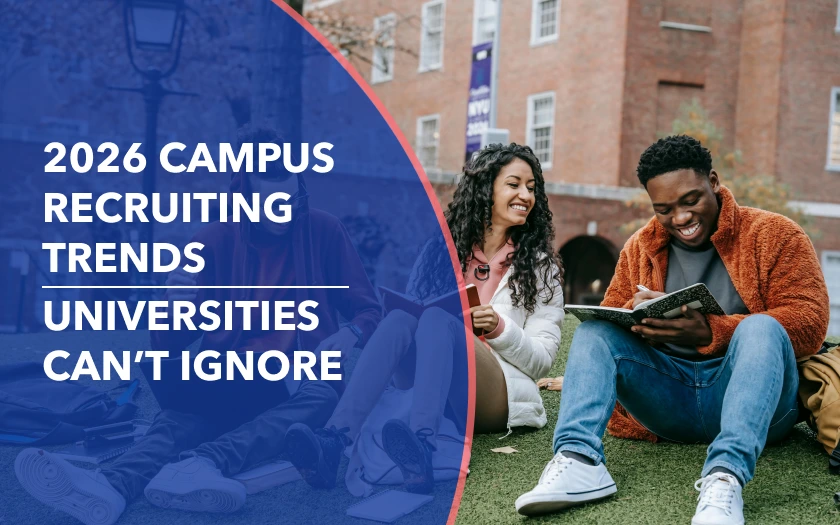
A decade ago, universities were judged heavily by graduation rates. In 2026, the focus has shifted to placement rates. Students are no longer asking, “Will I graduate?” They’re asking, “Will I get a job that justifies this tuition?”
That shift has created enormous pressure across higher education. When placement rates decline, enrollment pressure often follows. Career services teams are now expected to prepare students for a hiring market that looks very different from even a few years ago.
Employers are moving toward skills-based hiring, AI-powered candidate matching, live networking, and faster recruiting timelines shaped by economic uncertainty. Traditional college recruiting strategies built around static applications and passive networking are struggling to keep up.
In this article, we’ll break down the biggest campus recruiting trends shaping 2026 and what career services teams need to do to adapt.
{{table-of-contents}}
The Shift Toward Skills-Based Hiring Is Changing College Recruiting
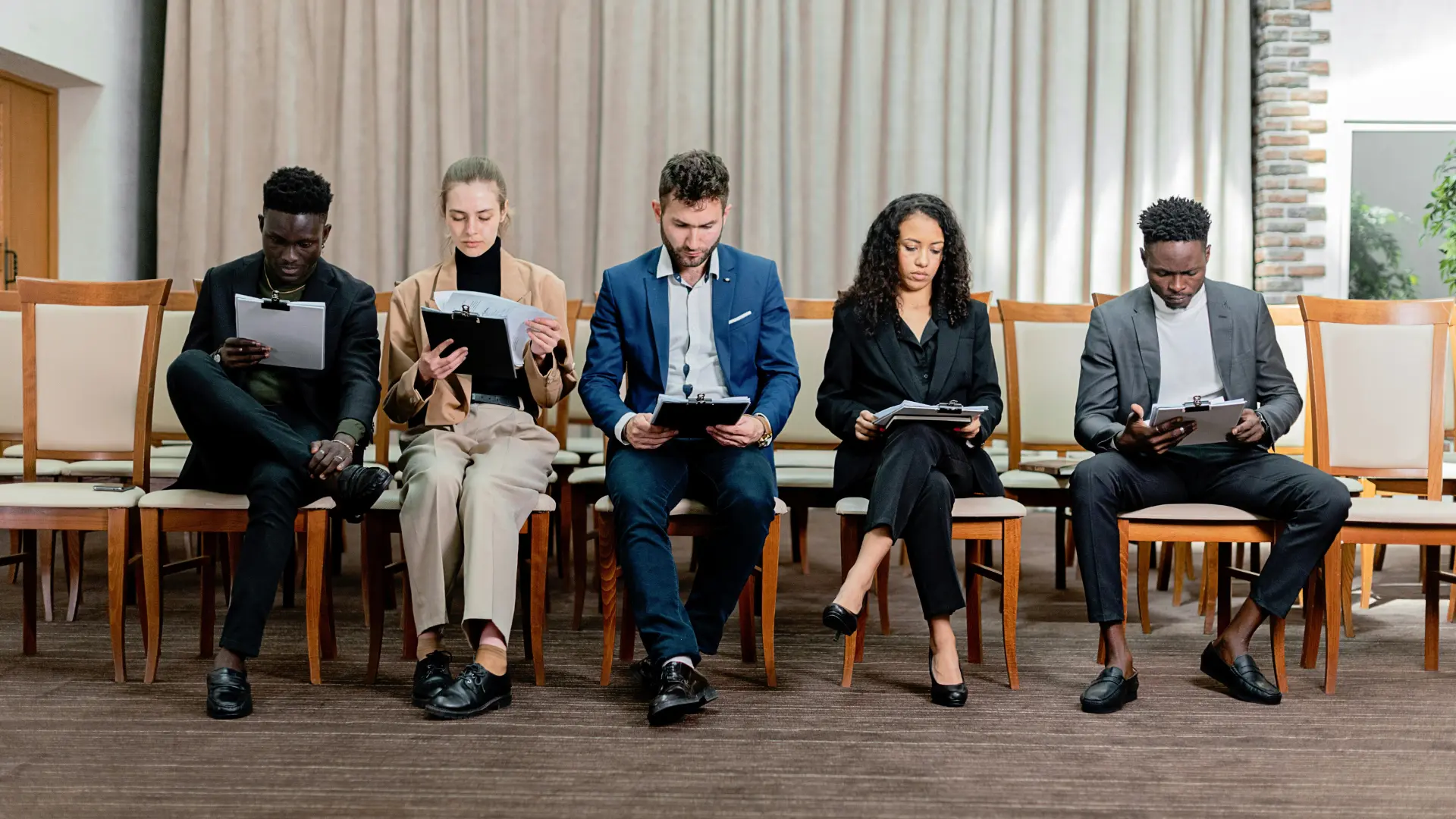
For years, college recruiting followed a familiar formula. Students submitted resumes, recruiters reviewed applications, and hiring decisions were often shaped by GPAs, university names, and internship experience.
In 2026, that process looks very different.
One of the biggest campus recruiting trends right now is the shift toward skills-based hiring. Employers still value education, though credentials alone rarely make candidates stand out in modern college recruiting.
Recruiters want proof of ability.
They don’t just want to know if a student looks good on paper. They want to see how candidates communicate, explain their work, and respond during live interactions. As employers manage massive volumes of early-career applications, practical readiness has become far more important than polished resumes alone.
That shift is pushing students beyond the traditional PDF resume.
Video introductions, project showcases, and digital portfolios are becoming more common because they allow students to actively demonstrate skills instead of simply listing them. A short video introduction gives recruiters a quick sense of how a candidate communicates professionally, while a portfolio or project walkthrough allows employers to see real work in action.
That can look like:
- A marketing student presenting a campaign strategy
- A software engineering graduate screen-sharing an app prototype
- A design student walking recruiters through branding work created during an internship
These interactions feel far more memorable than static applications because students are actively showing what they can do.
This evolution in hiring is also exposing a major weakness in many traditional virtual career fair platforms.
When students are limited to uploading resumes and exchanging text messages, they lose the opportunity to properly showcase their abilities. Modern college recruiting depends far more on interaction and engagement than passive applications.
The best virtual career fair platforms now support live conversations, portfolio sharing, video introductions, and project walkthroughs that help students present themselves more naturally to employers.
In 2026, employers are no longer hiring resumes first. They are hiring people first.
AI Matching Is Raising Expectations for Virtual Recruiting
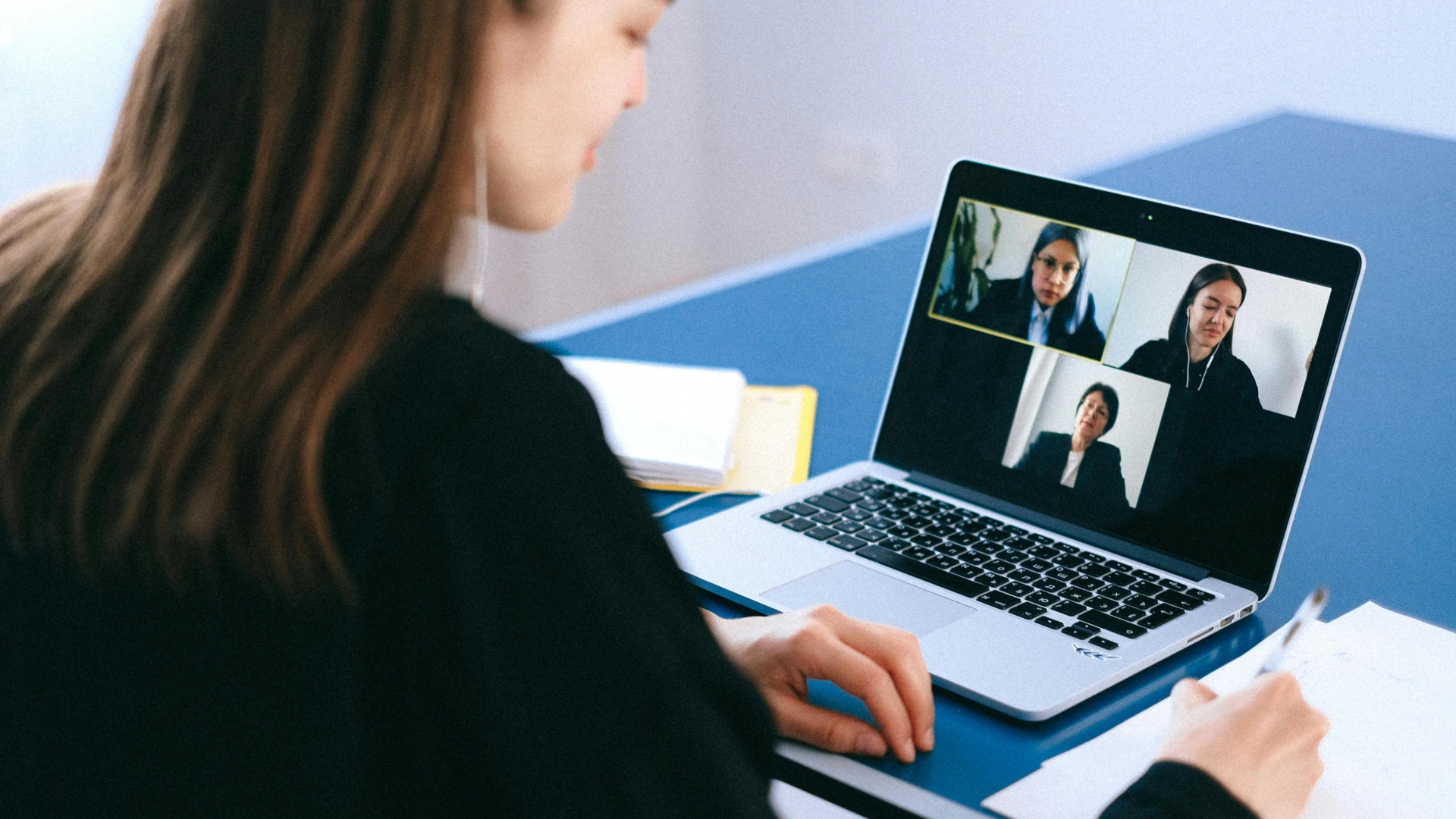
AI is changing more than how employers source candidates. It’s also changing what recruiters expect from college recruiting events and virtual career fair platforms.
Many employers now use AI-powered applicant tracking systems to instantly match candidate skills with open roles. Instead of manually reviewing hundreds of resumes, recruiters can quickly identify students whose experience aligns with specific positions.
That shift is accelerating the early stages of hiring.
Recruiters are spending less time sorting through cold applications and more time focusing on qualified candidates who already match hiring criteria. As a result, employers increasingly expect virtual career fair platforms to support smarter recommendations, faster networking, and more targeted recruiter-to-student connections.
The traditional “everyone uploads a resume and waits” model is becoming less effective in modern college recruiting.
Employers now want recruiting environments that help them:
- Identify relevant candidates faster
- Move into conversations more quickly
- Reduce manual application filtering
- Build stronger recruiter-to-student connections
That expectation is pushing universities to rethink how virtual recruiting events are structured. The strongest virtual career fair platforms now support intelligent AI matchmaking, easier networking discovery, and more efficient ways for recruiters and students to connect in real time.
Market Volatility Is Reshaping Campus Recruiting Timelines

Another major campus recruiting trend in 2026 is the shift toward “just-in-time” hiring.
For years, employers planned college recruiting cycles far in advance. Fall recruiting dominated the calendar, and many companies hired students months before their actual start dates. That approach is becoming less common as ongoing economic uncertainty makes employers far more cautious about projecting hiring needs too early.
Instead of locking hiring decisions nearly a year ahead, many companies now prefer to recruit closer to actual start dates so they can adjust more quickly if business conditions change. As a result, more college campus recruiting activity is shifting into the Spring semester, especially for internships and entry-level roles.
This shift is forcing universities to rethink traditional recruiting calendars. Career services teams that rely too heavily on Fall recruiting cycles risk missing valuable employer demand later in the academic year as more organizations look for faster and more flexible recruiting opportunities.
That’s making Spring virtual career fairs far more strategic than they were a few years ago. Universities increasingly need recruiting experiences that support:
- Quicker networking opportunities
- More flexible scheduling
- Stronger real-time interaction between students and employers
As recruiting timelines continue shifting closer to actual hiring dates, universities that adapt quickly will be in a much stronger position to maintain employer engagement throughout the academic year.
Digital Accessibility Is Now a Core Part of Campus Recruiting

Accessibility is no longer something universities can treat as an afterthought during college recruiting.
In April 2026, new DOJ digital accessibility requirements under Title II of the ADA raised expectations around how public institutions provide access to digital experiences, including virtual career fairs and online recruiting events. The 2026 ADA Title II Mandate and growing focus on WCAG 2.1 AA compliance are pushing universities to evaluate whether their virtual career fair platforms are truly accessible for all students.
This shift is about far more than compliance.
.webp)
Students using screen readers, captions, keyboard navigation, or other assistive technologies should be able to participate fully in networking sessions, employer conversations, and recruiting events without facing unnecessary barriers. When virtual recruiting platforms are inaccessible, students risk being excluded from opportunities that directly impact career outcomes.
That’s forcing career services teams to evaluate virtual career fair platforms more carefully than before. Accessibility now needs to be part of the platform’s core experience, including:
- Screen reader compatibility
- Captioning support for live sessions
- Keyboard-accessible navigation
- Accessible breakout rooms and networking spaces
- Equal access across booths, chats, and employer meetings
Campus Recruiting Trends Are Changing How Universities Hire and Engage Students
Campus recruiting is changing fast, and universities can no longer rely on outdated recruiting strategies built around static resumes, passive networking, and disconnected student experiences. The biggest campus recruiting trends in 2026 are centered around skills-based hiring, AI-powered recruiting, faster hiring timelines, and more accessible student engagement.
As employers change how they evaluate and connect with early-career talent, career services teams need recruiting experiences that feel more interactive, flexible, and aligned with modern hiring expectations.
Remo helps universities create virtual career fairs that support live networking, stronger recruiter engagement, and more meaningful student interactions that reflect how hiring works today.
If your career services team wants to improve employer engagement and support stronger student outcomes, book a demo with Remo and create virtual career fairs students and employers actually remember.
Frequently Asked Questions about Campus Recruiting Trends
1. What are the biggest campus recruiting trends shaping hiring in 2026?
The biggest campus recruiting trends in 2026 include skills-based hiring, AI-powered candidate matching, live virtual networking, and the growing use of digital portfolios and video introductions. Employers are focusing more on real-world skills and live interaction instead of relying only on resumes.
2. Why are virtual career fairs becoming more important in college recruiting?
Virtual career fairs give employers and students faster, more flexible ways to connect. As recruiting timelines shift closer to actual hiring dates, universities need virtual recruiting experiences that support live networking, meaningful conversations, and better student engagement.
3. How are employers using AI and skills-based hiring in campus recruiting?
Many employers now use AI tools to quickly match candidates with relevant roles based on skills and experience. At the same time, skills-based hiring is pushing recruiters to evaluate students through live conversations, portfolios, and project presentations instead of resumes alone.
Zainab Asad
Zainab Asad is a Content Writer at Remo, contributing to the platform's mission of fostering authentic virtual connections. With a keen eye for detail and a passion for effective communication, she crafts engaging content that empowers event professionals to create memorable virtual experiences.