The Winning Playbook for Sports Event Sponsorship: Tips and Templates

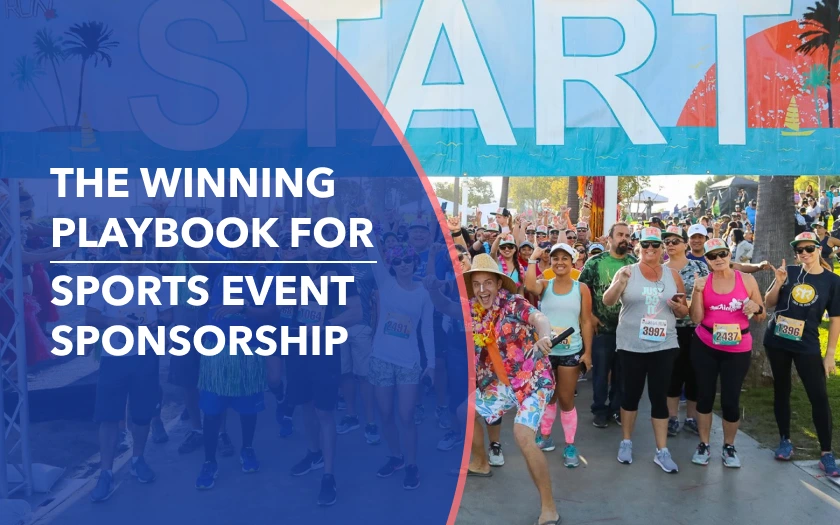
There’s something different about the energy at sports events. Fans don’t just watch the action. They cheer, react, post highlights, argue over referee calls, and stay emotionally invested until the final whistle. For brands, that kind of attention is incredibly valuable, which is why sports event sponsorship continues to grow rapidly in 2026.
But many event organizers still approach sponsorship the old way. A logo on a banner or jersey simply isn’t enough anymore. Modern sponsors want fan engagement, digital interaction, measurable reach, and experiences that connect their brand to the excitement of the game itself.
Sports events are perfectly built for this shift. Sponsored fan zones, halftime contests, livestream activations, and virtual watch parties all create stronger sponsorship opportunities while keeping fans engaged beyond the stadium.
In this guide, we’ll break down how to build better sports sponsorship packages, find the right sponsor prospects, and use proven sponsorship proposal templates that attract modern brands.
{{table-of-contents}}
Going Beyond the Logo: Sports-Specific Sponsorship Opportunities
Sports sponsorship has changed fast over the past few years. Brands no longer want to sit quietly on the sidelines, with a logo printed on a banner, hoping fans notice it between plays. They want interaction. They want memorable fan moments. Most importantly, they want measurable engagement they can actually report back to leadership teams.
That shift is changing the way smart organizers build sports sponsorship packages.
Traditional sponsorship assets still matter, especially for visibility inside stadiums and local recognition. But the highest-value sponsorship opportunities now combine physical experiences with digital engagement that keeps fans interacting before, during, and after the event.
Here’s what that looks like in practice:
Even the biggest sporting events in the world are moving in this direction. Super Bowl campaigns are no longer built around television commercials alone. Brands now create livestream experiences, influencer collaborations, fan voting campaigns, and second-screen activations designed to keep audiences engaged long after the game ends.
Smaller sports events may not have Super Bowl-sized budgets, but the strategy behind modern sports event sponsorship is becoming very similar.
It also makes sense why brands are investing more heavily in these experiences. A field banner gives visibility for a few hours. While a branded prediction contest or hybrid watch party hosted through a hybrid event platform creates direct interaction, captures first-party audience data,
Where to Find the Right Sponsor Prospects for Sporting Events

One of the biggest mistakes sports event organizers make is chasing the same giant brands everyone else is targeting. Nike, Gatorade, Adidas, and Under Armour may sound exciting, but they’re also some of the most competitive sponsorship opportunities in the industry.
A stronger strategy is to focus on brands looking for passionate communities, loyal local audiences, and highly engaged fans. That’s why brands outside the sports industry are investing more heavily in sports event sponsorship in 2026, including:
- Financial institutions like JPMorgan Chase looking for stronger community visibility
- B2B tech companies like Salesforce focused on relationship-building opportunities
- Automotive brands like Toyota wanting emotional connections with fans and families
- Wellness and recovery brands like Therabody aligned with active lifestyles
The right sponsor prospects usually depend on the size and type of sporting event you’re running.
For community and youth sports events, strong sponsorship targets often include:
- Regional healthcare systems
- Local fitness clinics and gyms
- Auto dealerships
- Grocery and restaurant chains
- Family-focused businesses in the area
For larger tournaments and pro-am (professional-amateur) sporting events, organizers should focus more on brands looking for wider digital reach and fan engagement, such as:
- Travel and tourism boards
- Sports-tech platforms
- Recovery and wellness brands
- Athletic apparel companies
- Nutrition and hydration brands
The key is understanding that successful sports sponsorship proposals are not just about crowd size. Sponsors invest when they see audience alignment, emotional engagement, and opportunities to become part of the fan experience itself.
.webp)
Crafting the Perfect Pitch: The Sponsorship Request Letter for Sports Event

A lot of sponsorship request letters fail for one simple reason. They sound like fundraising emails instead of business proposals.
Sponsors are not looking for a donation opportunity. They’re looking for audience access, brand visibility, customer engagement, and measurable returns. That’s why a strong sponsorship request letter for sports event partnerships needs to focus less on “supporting the event” and more on the value the sponsor receives in return.
Think about it from the brand’s perspective. Their inbox is already full of generic sponsorship pitches promising “great exposure.” That phrase barely means anything anymore. What sponsors actually want is specificity.
Instead of saying:
- “We expect a great turnout.”
Say:
- “Our tournament attracts over [Event Data] attendees across three days, with families spending an average of [X hours] onsite.”
Instead of saying:
- “Your logo will be displayed during the event.”
Say:
- “Your sponsorship package can include fan engagement opportunities such as livestream branding, halftime contests, digital activations, or onsite experiences based on your partnership goals.”
A successful sports sponsorship proposal should quickly answer three questions:
- Who is the audience?
- Why does this audience align with the sponsor’s goals?
- What measurable engagement opportunities are included?
It should also make the next step incredibly easy. Don’t end with a vague “let us know if you are interested.” Suggest a short discovery call or partnership discussion with a specific timeline.
Here are two sponsorship request letter templates sports event organizers can adapt quickly.
Proving the ROI: How to Make Sponsors Come Back Next Year

The sponsorship relationship doesn’t end when the game does. In many cases, the post-event report is what determines whether a sponsor returns next season or disappears entirely.
This is where sports event sponsorship becomes very different from traditional advertising. Sponsors want proof that fans actually engaged with the brand during moments of excitement and high emotional investment, not just confirmation that a logo was displayed somewhere in the venue.
For sports events, the most valuable metrics usually include:
- Total event attendance and repeat attendance across tournament days
- Livestream views and peak concurrent viewers
- Engagement during halftime contests or fan polls
- QR code scans from sponsor activations
- Social media mentions, shares, and highlight clip engagement
- Click-through rates from virtual sponsor booths or watch parties
- Email signups or app downloads generated during the event
The strongest sponsorship reports also tell a story. Show photos of packed fan zones, screenshots from livestream chats, or engagement spikes during sponsored moments. If fans interacted with a sponsor during key emotional moments of the event, such as a halftime contest, game-winning play, or post-match celebration, that’s valuable data.
Sports sponsors don’t just invest in visibility anymore. They invest in fan attention, participation, and community connection. The organizers who can prove that value clearly are the ones who keep sponsors coming back year after year.
How to Create More Valuable Sports Sponsorship Opportunities
Sports fans don’t stop engaging when they leave the stadium. They keep sharing highlights, reacting on social media, and joining post-game conversations long after the event ends.
That’s why more organizers are adding digital experiences like virtual VIP tailgates, livestream activations, sponsor-led fan rooms, and global watch parties. Virtual VIP tailgates give fans an online space to interact before the game through live discussions, giveaways, and sponsor-led activities.
With Remo, organizers can build hybrid fan experiences that help attract modern sponsors and increase sponsorship value. Book a demo to see how Remo can support your next sports event. For more strategies on finding sponsors, building sponsorship packages, and creating stronger pitches, check out Sponsor Genius Bar by Events.com.
Frequently Asked Questions about Sports Event Sponsorship
1. How to get a sponsorship in sports?
To get a sports sponsorship, focus on brands that align with your audience and event type. A strong sponsorship proposal should highlight audience demographics, fan engagement opportunities, digital reach, and clear sponsor benefits.
2. Who are the top 5 sports sponsors?
Some of the biggest sports sponsors include Nike, Adidas, Coca-Cola, PepsiCo, and Red Bull. Tech, finance, and wellness brands are also investing more heavily in sports sponsorships in 2026.
Zainab Asad
Zainab Asad is a Content Writer at Remo, contributing to the platform's mission of fostering authentic virtual connections. With a keen eye for detail and a passion for effective communication, she crafts engaging content that empowers event professionals to create memorable virtual experiences.