20 College Career Fair Giveaway Ideas That Gen Z Students Actually Want

Most college career fair giveaways feel forgettable. Pens that stop working, stress balls that disappear into backpacks, or tote bags that never get reused. Students take the stuff, but it rarely leaves an impression.
For Gen Z, an event giveaway is more than free swag. It shapes how they perceive the event and the organizations participating in it. The choices made by event organizers signal whether the experience feels modern, thoughtful, and aligned with student expectations.
The right college career fair giveaway can keep the event and its participating organizations top of mind long after it ends. This guide shares 20 college career fair giveaway ideas that Gen Z students actually want, from digital perks to practical items that stand out in both in-person and virtual career fairs.
{{table-of-contents}}
Why College Career Fair Giveaways Still Matter
Giveaways continue to shape how college career fairs are experienced and remembered. For event organizers, swag is not just about handing out free items. It is about driving engagement, influencing perception, and extending the value of the event beyond a single day.
- Reciprocity: When attendees receive something useful or meaningful, they are more likely to stop, engage, and participate. This leads to better booth traffic, more questions, and longer conversations.
- Brand Recall: A well-chosen giveaway keeps the event and its employers top of mind weeks later, when students start applying for roles. The longer the item stays useful, the longer the event stays relevant.
- Cultural Signaling: Swag quietly communicates values. Tech gadgets suggest innovation. Eco-friendly items signal responsibility. Wellness-focused giveaways show empathy.
As career fairs continue to move online and into hybrid formats, this impact does not disappear. It simply shifts. That is where digital giveaways and virtual swag bags become especially powerful, offering new ways to deliver value without physical limitations.
20 College Career Fair Giveaway Ideas
The ideas below reflect how college career fairs operate today. Some are designed for event organizers to provide directly, while others are examples of what participating employers can offer. Together, they cover both digital and physical options that support engagement and long-term visibility.
1. Subscription services
Best suited for event organizers or large sponsors, short-term subscription access feels modern and relevant. A one-month trial to a music, wellness, or productivity platform aligns naturally with student life, especially during midterms or job search season. These work particularly well in virtual or hybrid fairs where codes can be distributed through a virtual swag bag or unlocked after attending a session.
2. Professional service vouchers

Resume reviews, LinkedIn profile audits, mock interview sessions, or portfolio feedback feel high value without requiring physical logistics. For organizers, partnering with a career services team or external consultant can elevate the credibility of the fair itself. For employers, offering interview prep or resume insight positions them as invested in student growth rather than just recruiting.
3. Digital gift cards
Coffee, food delivery, or online shopping credits offer flexibility and broad appeal. They work especially well when tied to specific actions, such as attending a featured session, visiting a minimum number of booths, or completing post-event communication.
For multi-campus or international events, choose globally usable or widely available options to ensure students can actually redeem them. The goal is convenience, not friction.
4. Exclusive downloadable content
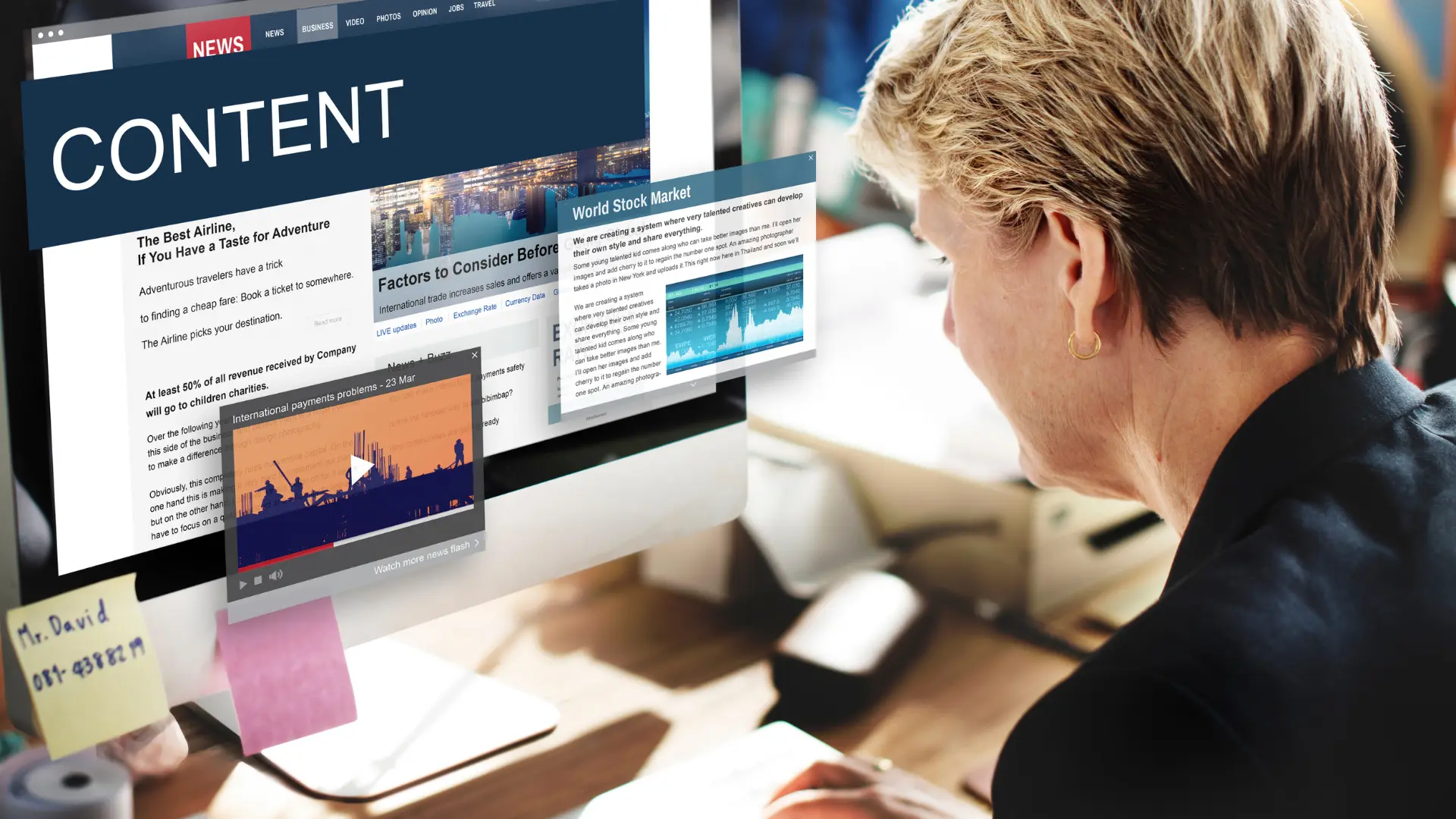
This is one of the most cost-effective options for organizers and employers alike. Career guides, interview preparation resources, industry salary reports, or internship playbooks feel curated and practical when tailored to the audience. Engineering students may appreciate a technical interview guide, while business majors may value networking templates or case study preparation tips.
Distributing this through a digital swag bag keeps everything centralized and easy to access after the event ends.
5. Digital Collectibles
Digital collectibles add a creative engagement layer for tech-focused events. Limited-edition badges or profile assets can be added to LinkedIn profiles, portfolios, or online resumes to signal participation or achievement. When tied to specific actions, such as completing a challenge or attending a workshop, they function as simple micro-credentials rather than novelty items.
They are especially effective in hackathons, engineering fairs, or coding-focused career events where visible recognition holds social value.
6. Webcam covers
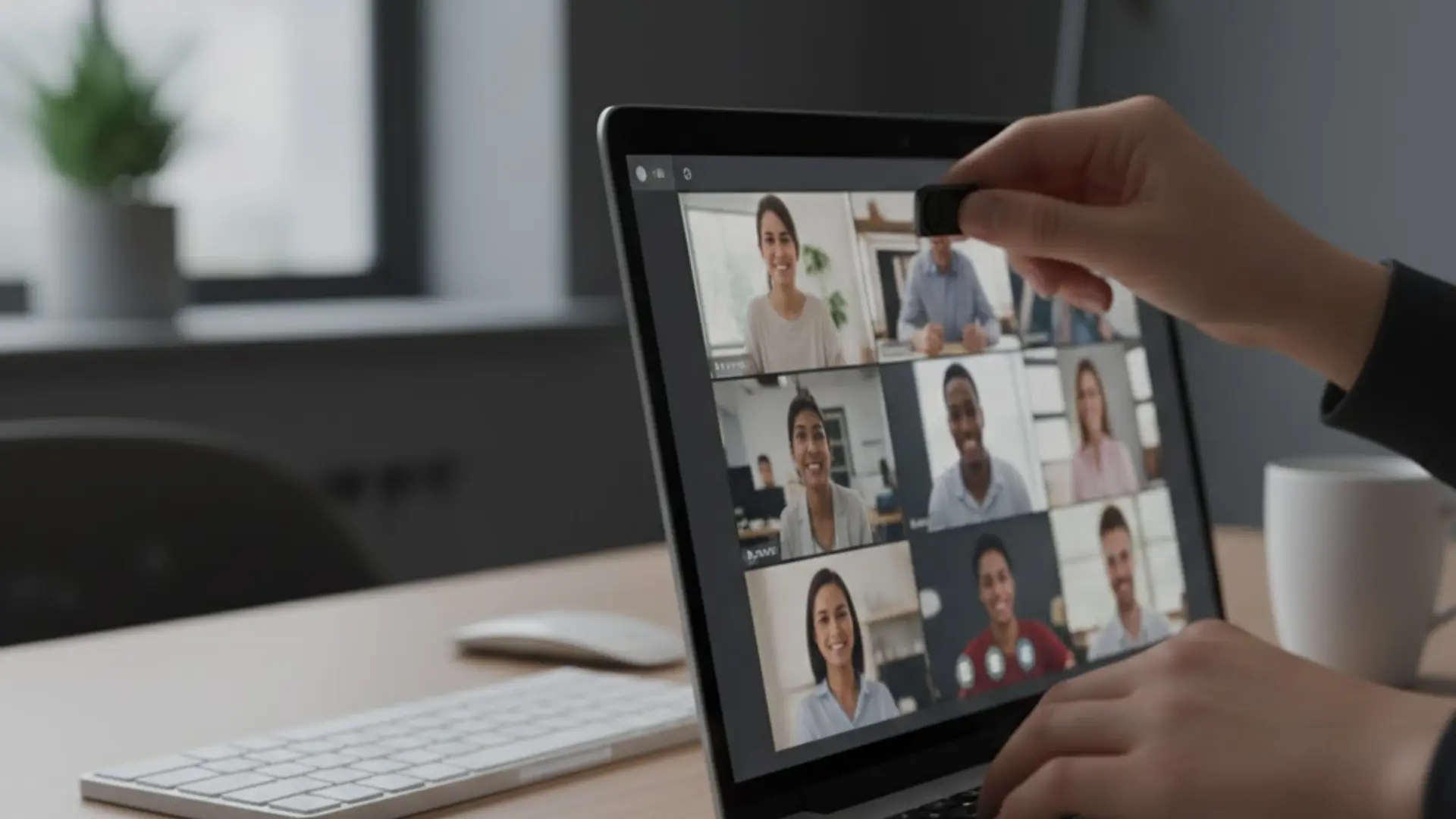
Typically offered by participating employers, they address a real privacy concern while keeping a subtle brand presence on laptops used daily for classes, research, and interviews.
They are small, lightweight, and inexpensive to ship, they work well for in-person fairs, mailed kits, or sponsor bundles. Choosing slim, slide-style designs ensures device compatibility and increases the likelihood that students will actually keep and use them.
.webp)
7. Clip-on ring lights
Best suited for employers recruiting for remote or hybrid roles, compact ring lights support students preparing for virtual interviews and online networking. Positioned as part of an “interview readiness” theme, they feel practical rather than promotional.
A budget-friendly clip-on light improves video quality immediately and directly supports career preparation. When tied to a workshop or interview session, the item feels intentional and career-focused instead of novelty-driven.
8. Branded cable organizers
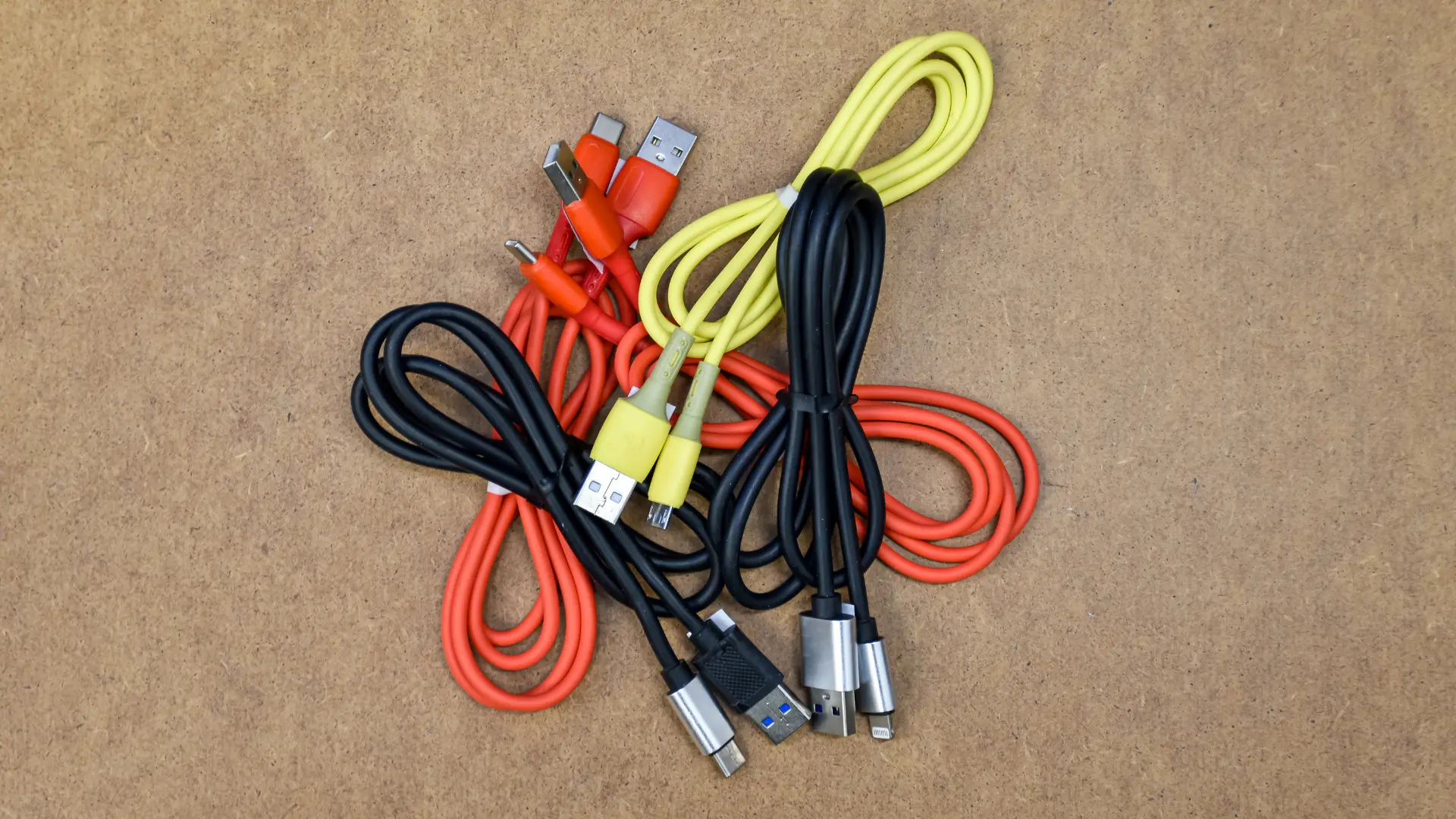
Silicone clips, magnetic wraps, or cord holders solve a common frustration for students managing multiple devices. These are especially effective for employers seeking steady brand visibility through daily utility.
They are used frequently in dorm rooms, backpacks, and study spaces, which creates steady brand exposure without feeling flashy. Selecting durable materials and a clean design increases the likelihood that students keep the item instead of discarding it.
9. Power banks
Power banks remain one of the most valued giveaways at campus career fairs and are typically offered by employers with mid- to higher-level budgets or by organizers as premium prizes. They provide immediate, practical utility for students juggling classes, internships, and networking throughout the day. High-capacity, compact models tend to have the highest retention.
10. Blue light glasses

Blue light glasses are well suited for employers or organizers who want to emphasize wellbeing and productivity. They acknowledge the long hours students spend studying, coding, or preparing for interviews, especially in screen-heavy environments.
Framing them around focus and eye comfort makes them feel thoughtful rather than trendy. Simple, neutral designs increase the likelihood that students will actually wear them instead of treating them as novelty swag.
11. Seed paper
Seed paper is an environmentally friendly paper embedded with wildflower or herb seeds. Instead of being discarded, it can be planted in soil to grow into small plants. This option is best suited for sustainability-focused employers or themed eco-conscious career fairs where environmental responsibility is part of the brand story.
It works most effectively as a supplemental piece rather than a primary business card. Core contact information should still be provided in a standard format, while the seed paper serves as a symbolic, values-driven add-on. Not every student will plant it, and not every employer will prefer this approach, but when aligned with the right audience, it reinforces a sustainability message in a tangible way.
12. Metal or bamboo straw sets

Reusable straw sets are typically offered by employers or included in themed eco-friendly swag kits curated by organizers. They provide a visible alternative to single-use plastic while aligning with sustainability-conscious students who already carry reusable bottles or cups.
Compact cases make them easy to store in backpacks, and including a small cleaning brush increases usability. When paired with messaging about environmental responsibility, they reinforce a values-driven brand without feeling excessive.
13. Durable canvas tote bags
Tote bags remain effective when construction matches intent. Thick canvas, reinforced stitching, and practical sizing determine whether a bag is reused or discarded. When designed for everyday use, it becomes a reliable carry item for groceries, library books, or gym gear.
14. Reusable coffee cups

Reusable coffee cups, especially collapsible silicone designs, are practical options for both employers and organizers looking to promote sustainability. They support habits students already have, such as grabbing coffee between classes or during study sessions.
Choosing neutral designs and durable materials increases the likelihood of continued use, which in turn keeps your brand visible during daily routines. When framed around convenience and waste reduction, they feel like thoughtful tools rather than unnecessary additions.
15. Desk-focused fidget tools
Desk-focused fidget tools, such as cubes, sliders, or click-based devices, often outperform traditional stress balls. While stress balls are meant for short bursts of stress relief, many students prefer tools that support sustained focus.
Well-built fidget devices provide quiet, repetitive motion that aids concentration during studying or virtual interviews. Durable construction and clean design make them more likely to stay on desks instead of being discarded.
16. Sleep masks

Sleep masks are a practical wellness-focused giveaway that can be offered by employers or included in organizer-curated swag kits. They connect directly to rest and recovery, something many students struggle to prioritize during midterms, finals, and recruiting season.
Look for fully light-blocking designs with adjustable straps and breathable fabric to increase comfort and long-term use. Subtle, supportive messaging around balance or future goals keeps the item thoughtful rather than promotional.
17. Compact Neck Pillows
For events with commuters or students who travel frequently, compact neck pillows can be a practical option. They are particularly relevant for campuses with large commuter populations or fairs that attract out-of-state candidates attending interviews or networking trips.
These are more expensive than standard swag, so they work best as premium giveaways or tiered rewards rather than mass distribution items. Lightweight, packable designs with removable covers increase usability and long-term retention, making the higher investment more justifiable.
18. Micro-wellness cards
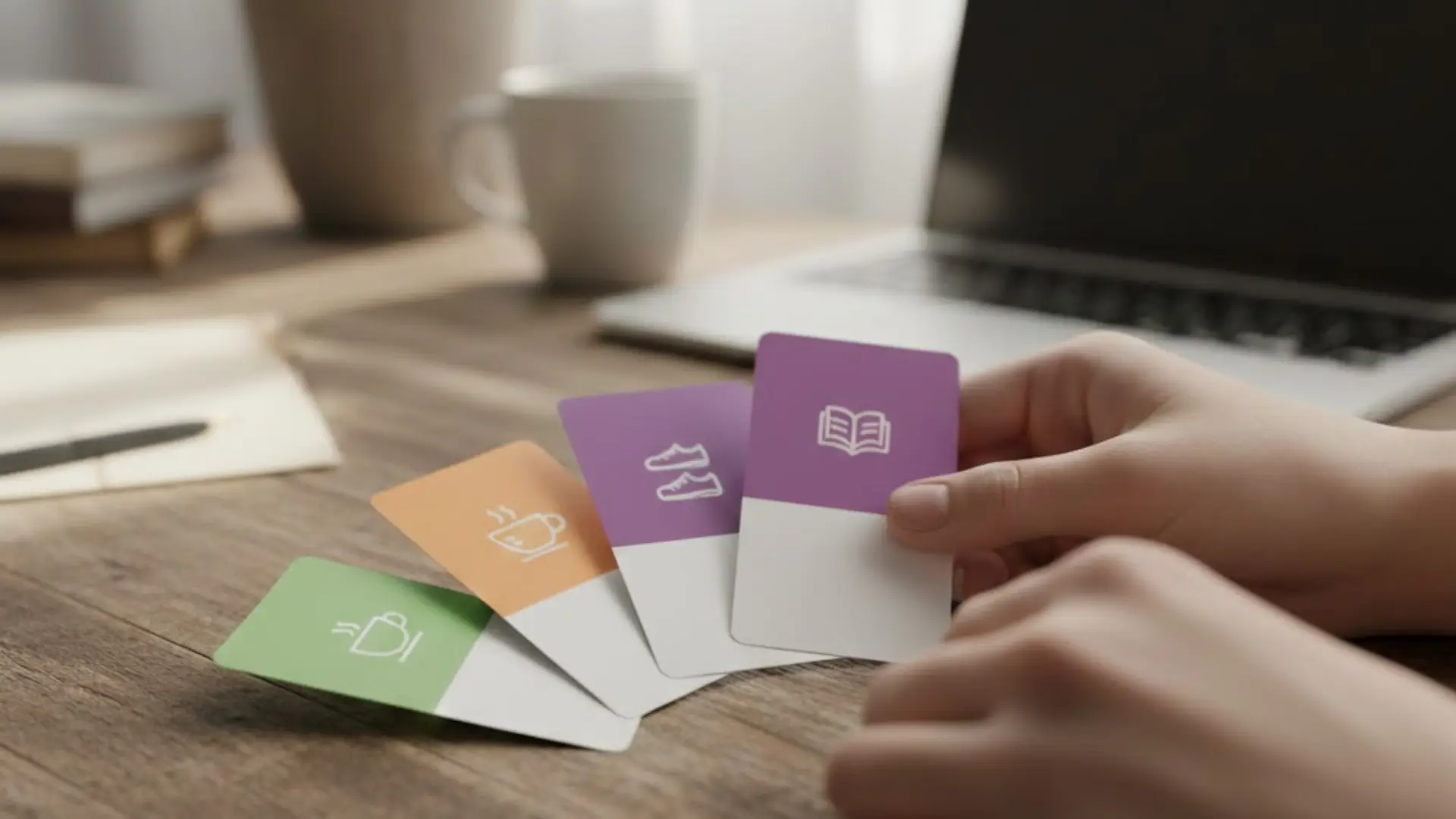
Instead of live plants, small printed wellness prompts scale much more easily. Posture reminder cards, screen break prompts, breathing exercises, or short calming cues fit easily into bags and require no upkeep.
These items work best when designed with subtle branding and clean visuals, making them something students can pin near their workspace or keep in a planner. While simple, they create small moments of pause during busy days without adding clutter.
19. Professional headshots
Professional headshots are one of the most valued offerings at any career fair and are typically led by event organizers as a featured experience. Employers benefit from stronger candidate profiles without needing to manage the logistics themselves.
For in-person events, this can be executed through a dedicated photographer booth. In virtual or hybrid events, it can be offered via a virtual photobooth or vouchers for AI headshot tools or professional retouching services.
20. Interview Survival Kit
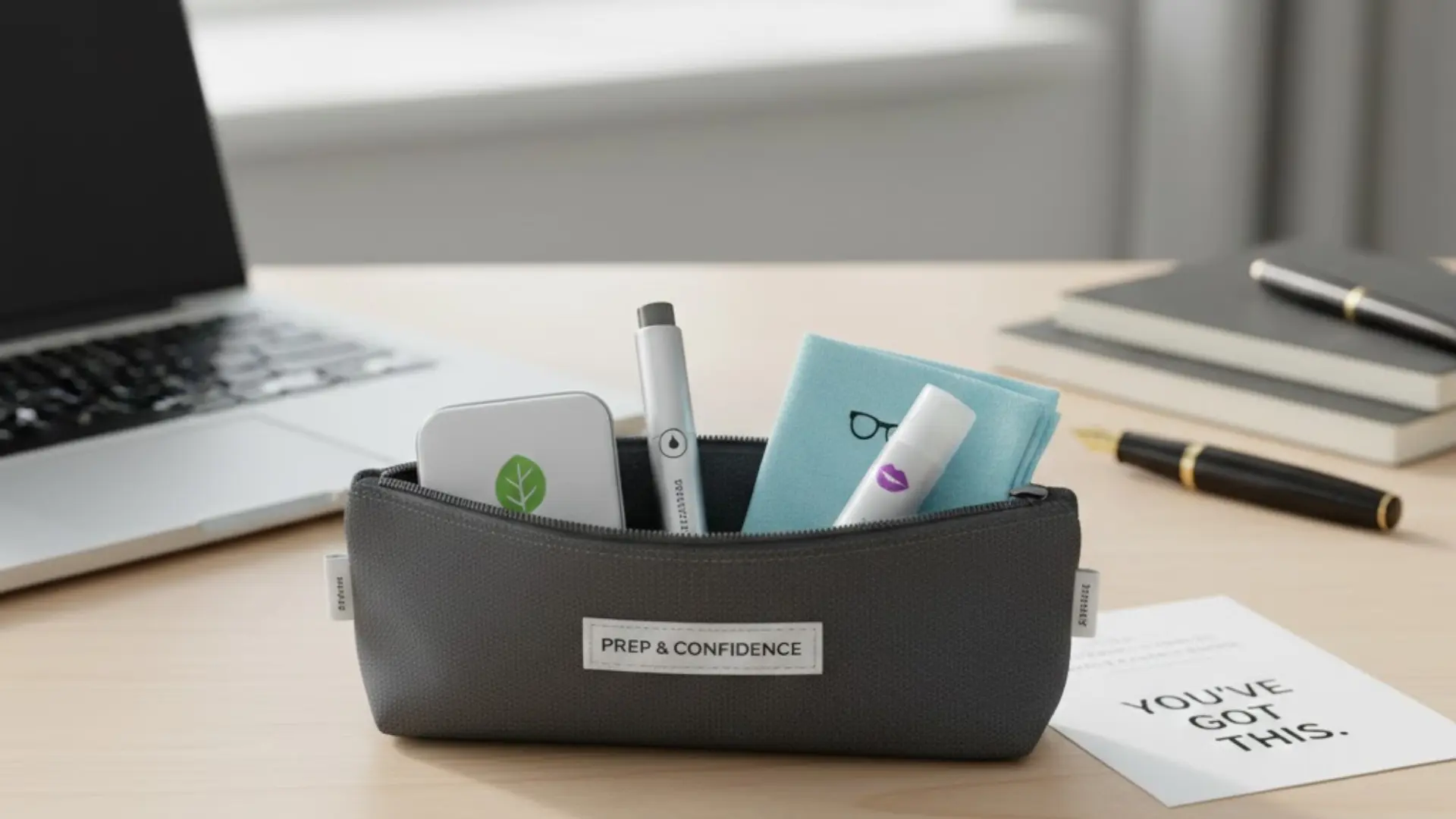
Interview survival kits can be provided by event organizers as part of the overall fair experience or by participating employers as a branded booth giveaway. A compact pouch with essentials such as mints, a stain remover pen, and lip balm addresses common last-minute concerns students face before interviews.
They are especially effective during peak recruiting seasons when students may be attending multiple interviews in a short time. Framing the kit around preparation and confidence keeps it practical rather than promotional.
Tips for Choosing the Right College Career Fair Giveaway
Selecting the right giveaway requires balancing audience expectations, budget, and execution. The best choices feel intentional rather than excessive.
- Know your audience: Different student groups respond to different types of swag. Technical majors may prioritize practical tools, while creative students may gravitate toward design-driven or wellness-focused items.
- Focus on quality over quantity: A smaller number of useful, well-made items will always outperform a large volume of forgettable swag. Students remember items they actually use.
- Plan for logistics early: For in-person events, consider size, weight, and ease of transport. For virtual career fairs, think through how digital giveaways will be delivered, accessed, and redeemed without friction.
With the right giveaways and a smart distribution plan, career fairs can feel more engaging, intentional, and valuable for everyone involved.
How to Distribute Giveaways for Maximum Engagement
Giveaways create the most impact when they are distributed with intention. Whether they are swag items handed out to attendees or prizes awarded for participation, a thoughtful strategy can increase engagement and guide students toward meaningful interactions throughout the event.
- Use gamification to encourage exploration: Interactive elements like virtual scavenger hunts motivate students to move through the event space, visit more booths, and stay engaged longer. In virtual career fairs, this could involve finding a hidden logo on the virtual floor plan or completing a simple activity to unlock a reward.
- Introduce friendly competition: Leaderboards reward students who ask thoughtful questions, attend multiple sessions, or actively participate. Highlighting top contributors helps drive engagement without forcing interaction.
- Offer tiered rewards based on action: Not every action needs the same reward. Smaller items can recognize basic participation, while higher-value giveaways are reserved for deeper engagement. For example, attending the event may unlock digital downloads, joining a mailing list could trigger a coffee credit, and scheduling an interview might unlock a premium tech gadget.
- Simplify delivery with digital swag bags: Virtual event platforms like Remo make it easy to distribute giveaways through a digital swag bag, allowing attendees to access offers and perks during or after the event without logistical friction.
Choosing College Career Fair Giveaway Ideas That Actually Work
The best college career fair giveaway ideas are simple. They are useful, relevant, and genuinely memorable. When giveaways align with how students live, study, and prepare for their careers, they extend the impact of the event far beyond the day it takes place.
For event organizers, thoughtful swag is less about quantity and more about intention. The right giveaways drive engagement, reinforce the tone of the fair, and shape how students remember the experience when it comes time to apply for jobs and internships.
As career fairs continue to move online and into hybrid formats, virtual experiences make it easier to deliver digital swag, interactive challenges, and online giveaways. Engagement-first platforms like Remo help bring these ideas together in one place. If you are planning your next virtual or hybrid career fair, book a demo with Remo to see how digital swag bags, gamification, and interactive spaces can turn your giveaway strategy into measurable engagement.
Frequently Asked Questions about College Career Fair Giveaway Ideas
- What are the best giveaway items for a college career fair that students will actually use?
The most effective giveaways solve everyday problems. Items like power banks, cable organizers, digital gift cards, subscription trials, or resume-related services fit naturally into student life. If a giveaway is useful during classes, interviews, or daily routines, it is far more likely to be kept and remembered.
- What are some low-cost but high-impact giveaway ideas for tight recruiting budgets?
Digital giveaways often deliver the highest impact at the lowest cost. Downloadable career guides, coffee credits, resume reviews, hydration stickers, or well-designed digital swag bag content can feel valuable without requiring large budgets or complex logistics.
- How do I choose giveaways that fit college students’ lifestyles (on-campus, commuting, online)?
Focus on portability and flexibility. Compact items that fit in backpacks, dorm rooms, or digital workflows work best. For virtual or hybrid fairs, prioritize giveaways that can be accessed instantly, such as digital perks, professional services, or online resources.
Zainab Asad
Zainab Asad is a Content Writer at Remo, contributing to the platform's mission of fostering authentic virtual connections. With a keen eye for detail and a passion for effective communication, she crafts engaging content that empowers event professionals to create memorable virtual experiences.



.webp)