The Modern Virtual Exhibition Playbook 2026
Let’s face it: most people hear the words virtual exhibition and immediately picture a lonely afternoon spent clicking through a directory of exhibitors while staring at a silent chat box. For organizers, the biggest fear isn’t the tech failing, it’s the ghost town effect. You’ve traded the skyrocketing costs and logistical headaches of a physical venue for a digital space. But you’re worried you’ve lost the one thing that makes events work: the buzz.
The reality is that virtual exhibitions aren’t just a fallback for when in-person events aren’t possible. They’re a powerful format for reaching wider, more targeted audiences, but only if you stop treating them like digital replicas of drafty convention centers. Success doesn’t come from piling on features. It comes from choosing the right virtual exhibition platform and designing experiences around how people actually behave online, not how they move through physical halls.
This guide is a practical blueprint for those new rules of engagement, covering everything from strategic planning and platform selection to monetization, engagement design, and what really matters after the event ends.
{{table-of-contents}}
What Is a Virtual Exhibition?
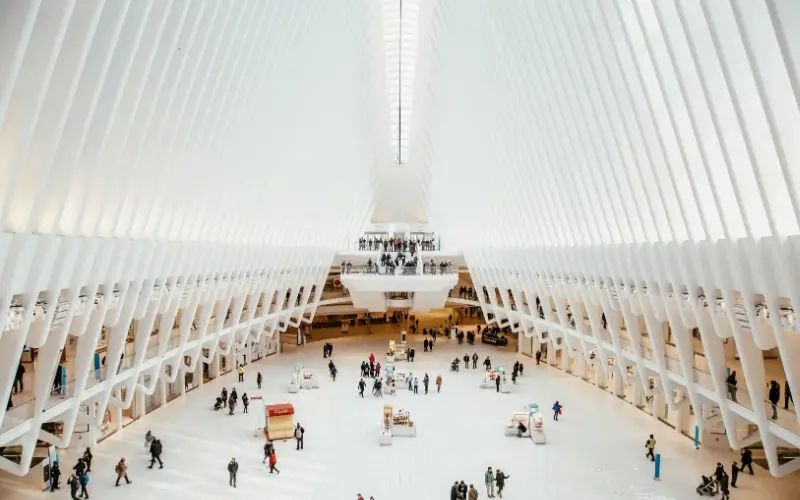
At its core, a virtual exhibition is an online environment where multiple organizations, institutions, or exhibitors present information, offerings, or experiences to an audience through a virtual event platform. Instead of wearing out your shoes walking through a massive convention center, attendees enter a digital space. From the comfort of their own desk (or couch), they can explore booths, jump into live sessions, and network with exhibitors in real-time.
You’ll often hear these events described as virtual expos, online exhibitions, or virtual trade shows. While the labels vary, the underlying idea is the same: recreating the discovery, interaction, and learning elements of a traditional exhibition in a digital-first format.
While that part is straightforward, where things get more interesting, and where many assumptions start to break down, is how people actually behave inside these environments.
How Virtual Exhibitions Work
One of the biggest shifts in a virtual environment is intent. In a physical hall, people might wander into a booth just because they liked the carpet or saw a bowl of free pens. Online, every click is a choice.
- The booth is the anchor: Forget physical signage. Virtual exhibition booths use videos, "one-click" downloads, and live chat bubbles. Attendees decide quickly whether a booth is worth their time, often based on what they see at first glance, so first impressions are everything.
- Sessions on your schedule: Sessions, such as talks, panels, or demos, are delivered through live or pre-recorded video. These may run on a schedule or remain available on demand, allowing attendees to engage at their own pace.
- Structured networking: You won't have those hallway run-ins, but you will have tools like AI-matchmaking and video breakout rooms that make connecting much more deliberate and less awkward.
The experience is guided by the platform’s interface, which becomes the venue, the map, and the facilitator all at once.
Differences between Virtual Exhibitions and In-Person Exhibitions
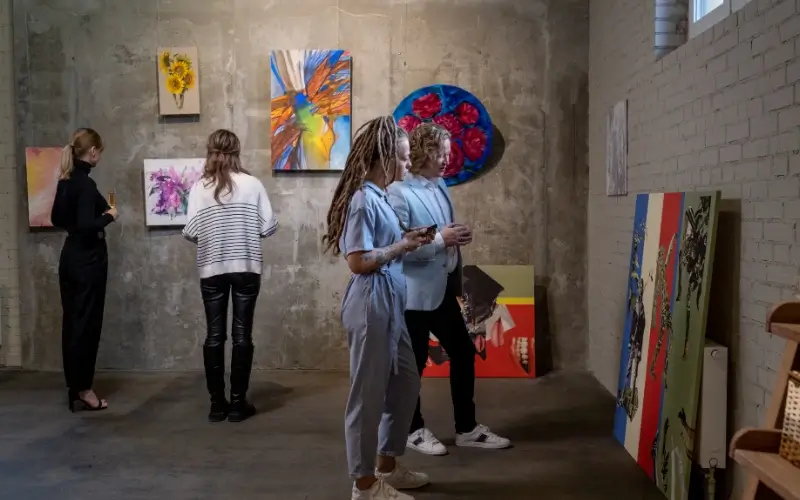
While virtual exhibitions are often compared to physical events, that comparison only goes so far. Once attendees log in, the experience operates under a different set of rules that change how discovery, engagement, and networking actually happen. Understanding these differences is essential before thinking about design or strategy.
Together, these characteristics explain why virtual exhibitions can’t simply copy physical formats and expect the same results. The environment changes how people decide, engage, and move.
.webp)
Types of Virtual Exhibitions
Virtual exhibitions can take many forms. While the underlying technology may look similar, each format is designed for a different goal and attracts a different kind of audience. Understanding these formats helps organizers design experiences that match attendee expectations rather than forcing every event into the same structure.
Below are the most common types of virtual exhibitions and how they typically work.
a) Trade Shows & Business Expos
Virtual trade shows and business expos are typically B2B event-focused, with clear goals around lead generation, product discovery, and relationship building.
Here, exhibitors present their products or services through short demos, clear visuals, and live conversations at virtual booths. Unlike physical halls, where attendees may wander and stumble upon booths, virtual attendees move with intent. In trade shows, this matters more than in other exhibition formats because discovery is closely tied to commercial relevance. Attendees explore based on immediate value signals and first impressions, which makes booth naming, positioning, and upfront clarity critical for qualifying interest quickly.
As a result, networking at virtual trade shows tend to happen through scheduled meetings or moderated discussions rather than spontaneous drop-ins, allowing exhibitors to prioritize high-intent conversations that are easier to convert and follow up on after the event.
b) Virtual Career & Job Fairs
Virtual job fairs are designed for recruitment. Their goal is to connect candidates directly with potential employers.
Candidates want to explore employer brands without the pressure of a crowded room. It shifts the power dynamic. With a virtual career fair, candidates can quietly research a company’s culture at their own pace before deciding to drop their resume or join a queue for a recruiter chat. It’s efficient, trackable, and much less intimidating for job seekers. While the total number of interactions may be lower than at physical fairs, the intent behind them is often stronger and easier to track.
c) Art & Museum Exhibitions
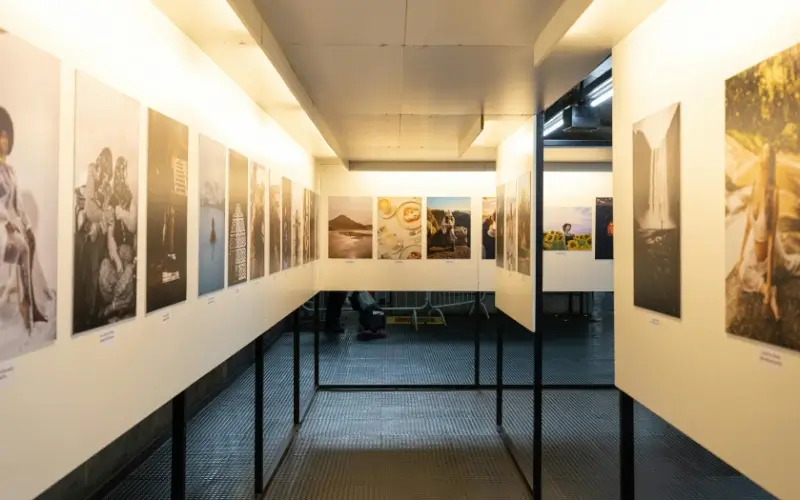
Art and cultural exhibitions are centered on exploration and storytelling rather than transactions or speed. In virtual formats, the focus shifts to how clearly and thoughtfully collections are presented.
Virtual galleries rely on high-resolution visuals, guided tours, and curator talks to bring artworks or artifacts to life without geographic constraints. While some exhibitions incorporate 3D spaces or immersive elements, these features are most effective when used selectively.
d) Educational Exhibitions
Educational exhibitions include science fairs, research showcases, and academic displays. In virtual formats, student work can be explored asynchronously, presentations revisited, and participation extended to wider audiences beyond a single institution.
Here, structure matters more than spectacle. Strong categorization, guided navigation, and scheduled live Q&A sessions help visitors engage with content without feeling overwhelmed, ensuring projects are discovered rather than lost.
e) Non-Profit & Public Sector Exhibitions
Non-profit and public sector exhibitions are centered on awareness, education, and community engagement. Digital formats allow these events to reach broader audiences while keeping costs and logistics manageable.
Organizations use virtual booths as information hubs to share resources, explain initiatives, and host live discussions. Success depends on clear storytelling, accessible content, and interactive elements that encourage participation rather than passive viewing.
Why Host a Virtual Exhibition?
Virtual exhibitions didn’t grow because they were novel. They grew because traditional formats began to show real limits.
Even as in-person events return, virtual exhibitions continue to earn their place. Not as a replacement for physical experiences, but as a format with its own strengths. When designed intentionally, they extend reach, remove geographic barriers, and generate insights that are difficult to capture on a show floor.
Here are some of the key benefits virtual exhibitions offer.
Global Reach and Attendee Flexibility
Virtual exhibitions remove the friction that traditionally limits who can attend and how. Without travel, visas, or accommodation, participation is no longer tied to geography. An exhibitor in Singapore and an attendee in Berlin can interact with each other, opening access to audiences and markets that were previously impractical or too costly to reach.
That reach isn’t just wider, it’s more diverse. Virtual exhibitions attract people who might never commit to a physical event due to cost, time constraints, or uncertainty about value. Attendees can join from home, switch devices, step away and return, or explore quietly before engaging. As a result, participation fits more naturally into their life.
This flexibility lowers pressure, especially for first-time attendees or those unsure where to start. When engagement feels optional rather than forced, it often becomes more intentional and more meaningful for everyone involved.
Cost Efficiency for Organizers and Exhibitors
Virtual exhibitions fundamentally change the cost structure of running an event. Instead of large, fixed expenses tied to physical logistics, organizers operate with fewer constraints and far greater financial control. There’s no venue rental, physical infrastructure, shipping, or on-site staffing. While production costs still exist, such as platform fees, content creation, and technical support, they’re typically more predictable and easier to scale.
This shift also reduces risk. In-person exhibitions demand significant upfront investment, often before demand is fully known. Virtual exhibitions allow organizers to test formats, adjust scope, and iterate without committing everything to a single moment. For many teams, that flexibility alone justifies the move.
The same dynamics benefit exhibitors. Without travel, booth construction, or logistical costs, participation becomes accessible to a much wider range of organizations. Smaller companies, startups, and institutions with limited budgets can take part alongside larger players, creating a more diverse and balanced exhibitor ecosystem. That broader mix ultimately increases value for attendees, who gain exposure to a wider range of options and perspectives.
Data, Analytics, and Measurable ROI
This is where virtual exhibitions quietly outperform physical ones. In a physical hall, much of what happens is invisible. In virtual environments, nearly every interaction leaves a signal. Organizers can see which booths attract attention, how long attendees stay, which sessions are completed, and where engagement drops off.
What quickly becomes clear is that intuition doesn’t always hold up. The busiest-looking booths aren’t always the most effective, and high traffic doesn't necessarily produce the strongest leads. Over time, these patterns surface insights that would be impossible to capture in person.
For organizers and exhibitors alike, this data makes ROI concrete. Success isn’t inferred or estimated; it’s measured.
On-Demand and Evergreen Content Value
Physical exhibitions are fleeting. When the doors close, the experience ends.
Virtual exhibitions don’t work that way. Sessions can be recorded, booths can remain accessible for longer, and content can continue delivering value long after the live event is over.
This extends the lifespan of the event and changes how impact is calculated. A session watched weeks later still counts. A booth visited after the live dates still generates leads. For organizers, this means the exhibition becomes an asset, not just an event.
Sustainability and Reduced Carbon Footprint
Sustainability is another area where virtual exhibitions have a clear advantage.
If your organization has "Green" goals, cutting out 500 flights and several tons of discarded foam-core booth walls is a massive win. Virtual events are inherently more sustainable. While sustainability alone may not drive every decision, it’s becoming harder to ignore. Virtual formats offer a concrete way to reduce impact without sacrificing reach or engagement.
Taken together, these benefits explain why virtual exhibitions continue to matter. They scale easily, adapt quickly, and surface insights traditional formats can’t. Less spectacle, more signal, and far fewer assumptions driving decisions.
How to Plan Your Virtual Exhibition
While virtual events remove many physical barriers, they don’t eliminate complexity. In fact, they introduce new layers of it. One of the most common missteps is jumping straight into tools and features, assuming the technology itself will carry the experience. That’s where many organizers run into trouble.
Strong virtual exhibitions begin with clarity, about why the event exists, who it’s for, and how success will be measured, long before a single booth is built or a session is scheduled.
Define Clear Event Objectives
Every virtual exhibition should begin with a clear answer to one question: What is this event meant to accomplish?
Is the primary goal lead generation? Brand awareness? Recruitment? Education? Community building? These goals sound obvious, but they’re often mixed together without prioritization, which creates confusion later.
Clearly defining your goals early keeps planning grounded and decisions aligned. For example, your objectives might include:
- Generating 500 qualified leads across all exhibitors
- Facilitating 200 one-on-one meetings
- Achieving an average session completion rate of 60%
- Reaching participants from at least 20 countries
Clear goals make trade-offs easier. When decisions come up around agenda length, platform features, or exhibitor packages, you know what you’re optimizing for.
Identify and Research Your Target Audience
Virtual exhibitions don’t attract a single type of attendee. Even within a well-defined audience, motivations vary widely. Some attendees want to explore quietly, others want direct conversations. Some join for one session and leave, others stay for all sessions.
Understanding your audience means looking beyond demographics. Consider:
- Why they would attend
- What questions they’re trying to answer
- How comfortable they are with digital environments
- What constraints they’re operating under (time zones, schedules, access)
This research shapes everything that follows, from content design to how much guidance attendees need once inside the event.
Plan the Exhibition Layout Before Finalizing Content
Virtual exhibitions behave like environments, not schedules. Before finalizing content or onboarding exhibitors, it’s important to plan how the exhibition itself is laid out to ensure a seamless flow.
A well-planned layout encourages exploration and comparison, helping attendees move through the exhibition instead of dipping in briefly and leaving. To achieve this, consider the following:
- Logical grouping: Decide how exhibitors will be categorized, whether by theme, industry, or specific audience need, to make navigation intuitive.
- High-traffic zones: Identify which areas should naturally receive the most staffing, such as the lobby, help desk, or featured booths.
- Visual hierarchy: Consider what attendees see first upon entry and how easily they can identify their next step.
When these layout decisions are made early, everything else, content, onboarding, and platform configuration, becomes much easier to align.
Plan and Design the Attendee Journey
Beyond physical layout, the success of a virtual exhibition depends on explicitly mapping the attendee’s journey through the digital space as well. Designing with this path in mind prevents overwhelm and ensures engagement feels intentional rather than accidental.
To create a journey that keeps attendees active and focused, consider these key phases:
- The first five minutes: Focus on orientation. Think less about the first five minutes of the event and more about the first five minutes for each attendee, whenever they arrive. What signals relevance immediately upon entry, and what is the most natural first action for them to take?
- Defining a "successful visit": Determine what a win looks like for your guests, whether that is discovering three relevant exhibitors, joining a live discussion, or scheduling a follow-up conversation.
- Seamless transitions: Ensure that moving from a keynote to the exhibition floor or a networking lounge feels like a logical next step rather than a jarring change in environment.
When attendees understand their next steps instinctively, they stay on the platform longer and engage more meaningfully with your sponsors and exhibitors.
Secure and Invite Exhibitors Early
Securing exhibitors for a virtual exhibition requires a slightly different approach than physical events. Without a physical booth or guaranteed foot traffic, exhibitors need clear, concrete answers about value.
That means clearly communicating:
- Who the audience is
- What kind of engagement they can expect
- How leads will be captured and shared
- What success looks like in a virtual setting
It’s also important to be intentional about which exhibitors you invite. Strong virtual exhibitions feature exhibitors that are genuinely relevant to attendee interests, bring something new or innovative to the table, and offer a healthy mix of established brands alongside smaller or lesser-known organizations. This balance keeps the exhibition useful, discoverable, and worth exploring.
Early outreach matters. Virtual exhibitions benefit from giving exhibitors time to plan content, prepare teams, and understand the platform. Last-minute invitations often lead to underprepared booths and low engagement. A clear exhibitor prospectus, outlining packages, timelines, and expectations, goes a long way toward securing buy-in and avoiding confusion later.
Design Content Specifically for Virtual Formats
One of the most common mistakes is repurposing physical event content without adjustment. Virtual audiences engage differently because attention is more deliberate and easier to redirect. Formats that respect this tend to perform better than long, passive presentations.
Effective virtual content is:
- Shorter and more focused
- Interactive rather than one-way
- Designed for screens, not stages
Think in terms of variety. Mix live sessions with on-demand content. Balance presentations with discussions. Create moments where attendees participate rather than just listen. If something feels too long or too complex, it probably is.
Budget Planning and Cost Categories
Virtual exhibitions typically cost less than physical ones, but they still require deliberate budgeting. Understanding where costs come from early helps prevent surprises later. Typical virtual event budget categories include:
- Platform licensing or usage fees
- Content production (design, video, editing)
- Marketing and promotion
- Speaker or facilitator fees
- Technical support and moderation
What sets virtual exhibitions apart is predictability. Costs are more controllable, and scaling up or down is easier. That flexibility reduces risk, especially for first-time events or new formats. Budget planning should also consider revenue models early, and not as an afterthought, particularly if exhibitor fees or sponsorships are involved.
Build a Realistic Agenda
In virtual exhibitions, scheduled sessions should support the expo hall, not compete with it. The exhibition floor is typically open for exploration throughout the event, while talks, panels, or demos act as anchors that pull people in at specific moments.
Virtual agendas need breathing room. Shorter sessions, typically 20 to 40 minutes, tend to perform better than hour-long blocks, and regular breaks matter far more than they do in physical events. Fatigue builds faster online, so pacing the agenda realistically is essential for maintaining attention and engagement without pulling attendees away from booth exploration for too long.
Time zones add another layer of complexity. For global events, there’s rarely a perfect schedule. Instead, organizers often:
- Repeat key sessions
- Stagger live content across regions
- Rely on on-demand access so attendees can explore the expo hall on their own time
A well-paced agenda that complements the expo experience, rather than overwhelming it, keeps engagement high and reduces drop-off. Tools like Remo’s free AI Run of Show & Event Agenda Generator can help translate objectives into a clear, minute-by-minute plan, making it easier to align timing, content, and flow without starting from scratch.
Exhibitor and Sponsor Onboarding
Once exhibitors are secured, onboarding becomes the focus. This is where many virtual exhibitions quietly lose momentum. Without guidance, exhibitors may upload minimal content, miss deadlines, or misunderstand how engagement works.
Strong onboarding includes:
- Clear setup instructions
- Content best practices
- Timelines and expectations
- Support channels for questions
Beyond basic setup, walkthroughs and rehearsal runs help surface technical issues and flow bottlenecks before attendees arrive, ensuring a seamless experience for everyone involved. When exhibitors feel confident and prepared, their booths perform better, which directly improves the overall attendee experience.
Risk Management and Contingency Planning
Finally, plan for what might go wrong. Technical issues happen, speakers cancel, or attendees get confused. The difference between smooth events and stressful ones is preparation.
Effective risk planning might include:
- Backup speakers or content
- Support staff on standby
- Clear communication channels
- Simple recovery plans if something fails
Having a plan doesn’t mean expecting failure. It means being ready when something unexpected happens.
Planning a virtual exhibition isn’t about controlling every detail. It’s about reducing uncertainty. When objectives are clear, audiences understood, exhibitors prepared, and teams aligned, the technology becomes an enabler rather than a crutch. That’s when virtual exhibitions stop feeling experimental, and start delivering consistent, repeatable results.
Choosing the Right Virtual Exhibition Platform
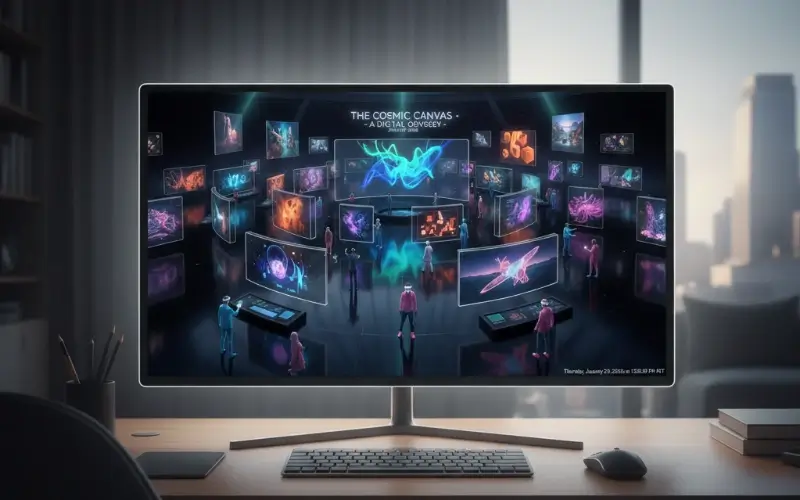
When you're picking a platform, you aren't just buying software; you’re renting your venue. In a physical hall, the architecture tells people where to go; in a virtual space, the platform is the architecture. If the tech is clunky, your event feels like a maze. If it’s seamless, the technology fades into the background and the content takes center stage.
The biggest trap organizers fall into? Thinking that a long list of features equals a better experience. In reality, a platform packed with bells and whistles can often feel overwhelming and noisy to a first-time attendee.
Instead of searching for the best platform on the market, look for the one that fits your specific audience like a glove. Are they tech-savvy gamers who want a 3D world? Or are they busy executives who just want to find a booth, download a PDF, and exit? The right choice is the one that removes the most friction between your exhibitors and attendees.
Key Virtual Exhibition Features
Most virtual exhibition platforms offer similar building blocks. The difference lies in how well they execute them and how intuitively they work together.
Best Virtual Exhibition Platforms
As virtual exhibitions mature, one insight is clear: people don’t attend just to watch content, they attend to connect. The strongest platforms today are designed around how humans explore, interact, and decide, whether through spatial layouts, guided networking, or data-driven flows.
Below are three of the best virtual exhibitions platforms that illustrate different approaches to virtual exhibitions, each suited to a specific type of goal.
Remo
Best for exhibitions that mirror the energy and unscripted interactions of in-person events.
Remo is designed to recreate the natural buzz of in-person events through spatial floor plans and interactive tables. Attendees move freely between conversations, just as they would at a physical expo, creating a sense of presence that feels social rather than scripted. It’s particularly effective for community-driven exhibitions, workshops, education fairs, and high-engagement networking events.
Strengths:
- Spatial layouts that encourage organic interaction
- Extremely intuitive for first-time attendees
- Easy to create multiple zones (expo halls, lounges, help desks)
- Responsive customer support that helps organizers troubleshoot and adapt quickly during live events
Trade-offs:
- Less optimized for deep enterprise marketing automation workflows
Pricing: Flexible plans starting at just $299 per month, with one-time event options available. You can also book a demo with Remo to explore the platform’s floor plans, networking flows, and exhibition setup in action before committing.
vFairs
Best for large-scale expos that prioritize structured booths, formal layouts, and controlled exhibitor experiences.
vFairs focuses on visually immersive 3D environments that mirror physical venues. It’s commonly used for career fairs, university open days, and consumer expos where visual presence and booth exploration are central to the experience.
Strengths:
- High-fidelity 3D venues and exhibitor booths
- Purpose-built tools for career and education fairs
- Dedicated project management and live support
Trade-offs:
- Higher cost and heavier setup compared to lighter platforms
- Networking tends to follow a more guided, agenda-driven structure, so achieving spontaneous, drop-in conversations requires additional design choices
Pricing: Custom-quoted; large events typically fall in the mid-to-high five-figure range
Bizzabo
Best for hybrid and enterprise exhibitions that need strong data tracking, integrations, and consistency across multiple events.
Bizzabo positions exhibitions as structured touchpoints within a larger event and marketing ecosystem. It excels in analytics, CRM integrations, and hybrid event orchestration, making it ideal for organizations focused on measurement, scalability, and long-term pipeline impact rather than free-form exploration or attendee experience.
Strengths:
- Unified analytics across virtual and in-person events
- Deep integrations with CRM and marketing automation tools
- Strong support for repeatable, multi-event portfolios
Trade-offs:
- Less emphasis on building an immersive and meaningful in-event experience
- Built with enterprise workflows in mind, which means smaller teams may face a steeper learning
Pricing: Enterprise-only, annual contracts with custom pricing
The takeaway: there is no universally best virtual exhibition platform. The right choice depends on whether your priority is human connection, visual immersion, or data-driven scalability. When platform capabilities align with attendee behavior and event goals, the experience feels effortless, and that’s when virtual exhibitions truly work.
To move a virtual exhibition from a functional environment to an unforgettable one, you must design for active participation rather than passive observation. Let’s explore some ideas on how to do that next.
10 Creative Ways to Elevate the Virtual Exhibition Experience
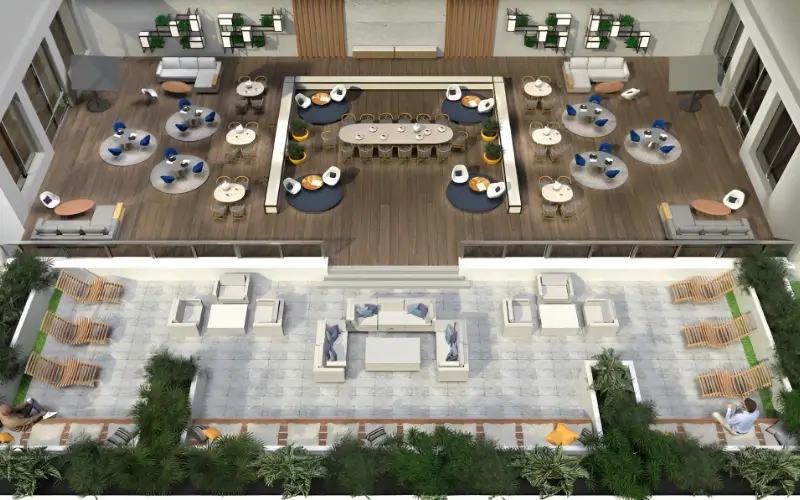
When an attendee clicks "Join," their experience isn't just about the software. It’s about how the layout, content, and interaction choices make them feel. In a digital venue, you don't have the luxury of a physical atmosphere to keep people around; you have to design it. Small, intentional design choices are what bridge the gap between someone who "logs in and leaves" and someone who stays to have a life-changing conversation.
The ideas below are focused on one goal: making your virtual space feel intuitive, alive, and genuinely worth the time.
1. Create a Welcoming Virtual Lobby
The virtual lobby is often the first point of contact, and it sets the tone for the rest of the experience. If it’s cluttered or confusing, attendees will feel immediate "choice paralysis."
A strong lobby acts like a high-end concierge desk. It should clearly communicate where exhibitors are, how to move around the space, and what to do next.
Use clear, bold signposting within the lobby to direct attendees to your main areas, such as the Expo Hall, Main Stage, or Networking Lounge. The lobby should function as the event’s orientation point, making it immediately obvious where each experience lives and how to get there. When navigation is a no-brainer at this entry point, attendees spend less time figuring out where to click and more time actively exploring your content.
2. Design Virtual Exhibition Booths for Quick Understanding
In a virtual hall, the "three-second rule" is real. Attendees will decide whether to enter a booth based on a split-second glance. To win that click, booths need to be designed for quick understanding, not deep reading.
- The Hook: Use clear booth naming paired with strong visual cues, such as a recognizable logo, a featured demo, or a downloadable guide, that immediately signals why the booth is worth visiting.
- The Content: Replace dense documents with short explainer videos (around 60 seconds) that can be accessed directly through booth content banners or clickable media panels.
- The Call to Action: Make the next step obvious. Clear CTAs like “Chat with us,” “Book a meeting,” or “Join the conversation” should be supported by built-in chat, meeting links, or visible availability indicators.
Given booths are the primary touchpoint between attendees and exhibitors, small design choices have an outsized impact on traffic and engagement. Check out our guide on designing virtual trade shows and expo booths to learn more.
3. Keep Navigation Simple and Intuitive
The moment an attendee feels lost is the moment they close the browser tab. Your event layout should follow a logical flow, ideally supported by a visual floor plan that mimics a real-world space.
Keep navigation simple by:
- Using straightforward labels: Avoid overly clever names that might confuse first-time visitors.
- Grouping exhibitors logically: Organize booths by industry, theme, or interest so attendees can easily orient themselves.
When navigation feels effortless, attendees are far more likely to explore areas they didn't originally plan to visit, significantly increasing the spontaneity and engagement of your event.
4. Emphasize Live Interaction Over Static Content
Static content is important, but live interaction is what makes an online exhibition feel real. You can download a PDF any day of the week, but you can only talk to an expert right now.
Lean heavily into live chats, real-time Q&A, and interactive digital whiteboards. These moments of responsiveness create a sense of presence.
Attendees value the "human on the other side of the screen" far more than they value a polished brochure, so make sure your exhibitors are actually present and ready to engage.
5. Build Networking Moments with Clear Intent
People often assume virtual networking lacks the organic, unplanned encounters found at physical events. So, instead of just opening a chat room and hoping for the best, create structured moments. Think: "Topic-Based Tables," "Speed Networking Rounds," or "AI-Guided Matchmaking." That said, virtual networking doesn’t have to feel rigid. With the right virtual event platform such as Remo, spontaneous, human conversations can emerge naturally, sometimes even more easily than in a crowded physical room.
When people know why they are talking to someone, the conversation starts faster and feels more purposeful.
6. Use Gamification to Encourage Exploration
Gamification shouldn't just be about "earning points". It should be used to encourage exploration. Create a "Scavenger Hunt" that rewards attendees for visiting five different booths or attending a workshop. Alternatively, you can use progress indicators to show attendees how much of the event they’ve uncovered.
When done thoughtfully, these elements turn the exhibition into a journey. Just remember: keep the rules simple. If the game is too complex, it becomes a chore rather than an incentive.
7. Include Live Demos and Short Workshops
Break up passive browsing by offering live, 15-minute micro-sessions directly within booths or on a secondary stage. These short sessions give attendees a reason to pause, engage, and focus. To maximize impact, these should be high-value "content snacks" such as 15-minute technical "how-to" sprints, rapid-fire expert Q&As on trending topics, or live product "unboxings."
Short, punchy formats work best online because they respect the attendee's time while providing immediate value. A live demo of a product or a quick "how-to" session creates a natural hook that draws a crowd and gives exhibitors a platform to showcase their expertise.
8. Make Support Easy to Access
Even the most tech-savvy guest can run into a snag. Small technical friction, like a mic not working or a link not opening, can ruin an experience. Make your help desk or support chat impossible to miss. Having a visible, friendly team member available to resolve issues in real-time shows that you care about the attendee's experience.
When people know help is just a click away, they feel much more comfortable taking risks and exploring the platform.
9. Design with Accessibility in Mind
Accessibility considerations improve usability for all attendees. This means ensuring your platform supports screen readers, providing closed captioning for live sessions, and using high-contrast, easy-to-read visual design.
Accessibility also includes social comfort. Large video groups can feel intimidating for some attendees, so offering text-based chat or alternative participation options helps everyone engage in a way that feels safe and comfortable.
The more accessible the experience, the more inclusive and engaging it becomes overall.
10. Use Immersive Technology Selectively
It’s tempting to want 3D avatars, VR headsets, and AR product placements, but use these tools selectively. For most attendees, a fast-loading, easy-to-use 2D interface, like Remo’s floor plans, is better than a sluggish 3D world that requires a high-speed gaming computer to run. Use advanced tech only when it adds real value, like a 3D walkthrough of a medical device or a virtual art gallery.
If the tech makes the event harder to access, it’s not worth the wow factor. Focus on simplicity first, and add the tech only where it truly makes sense.
Virtual Exhibition Marketing & Promotion Strategy
Marketing a virtual exhibition isn’t the same as promoting a webinar or a conference. Exhibitions are inherently two-sided: you’re attracting attendees, who are deciding whether the event is worth their time, and exhibitors, who are deciding whether it’s worth their investment.
Each group evaluates your event through a different lens. Attendees care about relevance, ease, and discovery. Exhibitors care about reach, engagement quality, and measurable outcomes. A strong marketing strategy acknowledges this from the start and is built to serve both audiences without confusing either.
When this balance is right, momentum builds naturally. When it’s off, you risk a familiar problem: one side shows up, the other doesn’t.
Start Early and Plan Promotion in Phases
Effective exhibition promotion starts earlier than most organizers expect. Virtual exhibitions benefit from longer lead times because many attendees browse quietly before committing.
A common mistake is focusing on volume in one batch, more emails, more posts, when clarity is what actually drives registrations. Rather than treating promotion as a single push, plan it in clear phases:
- Early awareness to introduce the event and establish relevance
- Registration momentum to convert interest into sign-ups
- Reminder and reassurance to reduce drop-off as the event approaches
- Final urgency to capture last-minute decisions
To support early registrations, early-bird incentives can be effective, but they don’t have to be discounts. Priority networking access, early booth browsing, or exclusive previews often create urgency without eroding perceived value.
Research, Positioning, and Testing Before You Scale
Before any campaign goes live, you should be able to clearly answer one question: Why does this exhibition matter to this audience right now?
At this stage, focus on:
- Audience narrowing: Use tools like LinkedIn or Meta ads to target specific roles, regions, or interest clusters instead of broad audiences.
- Message testing: Run small A/B tests on your core value proposition to see what actually resonates before committing a budget.
- Audience insight: Tools like SparkToro or AnswerThePublic help surface where your audience spends time and what questions they’re actively asking.
This work ensures your messaging feels like a direct answer to a real problem, not just another event announcement.
Segment Your Messaging for Two Audiences
Exhibitions require two parallel marketing tracks.
For attendees, messaging should focus on:
- What they’ll discover
- Who they’ll meet
- How easy and flexible participation is
For exhibitors, messaging should emphasize:
- Audience quality and relevance
- Visibility and engagement mechanics
- How leads are captured and reported
Attendees and exhibitors should never receive the same messages. Even within attendee lists, segmentation by interest, role, or geography improves relevance and conversion. Each message should focus on a single value or problem rather than trying to explain everything at once.
Design the Event Website for Decision-Making
Your event landing page is your hardest-working asset. Even when attendee and exhibitor registrations live on separate pages, the main landing page still has one critical job: helping both audiences quickly understand whether the event is for them and how to register.
A high-converting page makes it immediately obvious where a visitor belongs.
- The attendee journey: They need quick answers to: What is this? Why should I spend my time here? What exactly am I going to do once I'm inside?
- The exhibitor journey: They need to see: Who is the audience? What does my exposure look like? How does the tech actually work?
You can handle this split with clear tabs, distinct sections, or side-by-side "Call to Action" buttons (e.g., "Register to Attend" vs. "Apply to Exhibit").
Beyond the user experience, optimizing this page and your event for SEO ensures your event surfaces when exhibitors and attendees are actively looking for industry gatherings. When both audiences feel directly spoken to, you’ll see a significant jump in conversions. If the page feels vague, you’ll lose both.
Use a Mix of Channels to Build Momentum
Virtual exhibition promotion works best when it’s distributed across multiple channels, each playing a specific role:
- Email: Still the strongest driver of registrations when segmented properly.
- Social media: Ideal for awareness, social proof, and visual teasers. Short-form video and behind-the-scenes previews outperform static posts.
- Community spaces: LinkedIn groups, Slack channels, or discussion threads help attendees form connections early to improve show up.
- Content marketing: Content marketing helps demystify the experience. Blog posts and guides show people what a virtual exhibition actually feels like, reducing uncertainty and making first-time attendees more comfortable signing up.
- Paid ads: Useful for retargeting landing page visitors, reaching niche audiences, or promoting exhibitor opportunities.
- Event listings: Industry calendars and partner portals often drive highly qualified traffic with minimal effort.
Rather than treating promotion as a one-time push, track performance as it unfolds. See which channels convert, where drop-offs occur, and adjust accordingly. Over time, this turns promotion into a predictable, repeatable system.
6 Ways to Monetize Your Virtual Exhibition

Virtual exhibitions aren’t just engagement tools. They can also be sustainable event revenue drivers when monetization is planned intentionally. While not every event needs to maximize revenue, understanding the available models helps organizers align financial goals with attendee and exhibitor expectations.
1. Smart Ticketing Strategies
Event ticketing is often the most straightforward revenue lever. Some virtual exhibitions remain free to maximize reach, while others charge for access to premium content, workshops, or networking. Tiered pricing works especially well, offering a free or low-cost entry point alongside paid upgrades for deeper access or exclusive sessions.
The key is matching pricing to perceived value. When content or access feels clearly differentiated, attendees are more willing to pay.
2. Rethink Exhibitor Booth Pricing
In the physical world, you charge by the square foot. In the virtual world, you charge by the feature. Virtual booth pricing is typically tied to visibility and engagement tools. A Gold Tier booth might include featured placement at the top of the hall, advanced lead-capture tools, and the ability to host a live demo.
In digital format your overhead is lower than a physical build, you can often offer lower entry-level prices, which attracts a more diverse range of exhibitors and increases the overall value of the event for your attendees.
3. Strategic Sponsorship Opportunities
Sponsorship is one of the most flexible monetization models in virtual exhibitions. Event sponsorship packages may include branded sessions, sponsored networking lounges, featured placement in the virtual lobby, or visibility across event communications.
These options work best when sponsorship feels integrated rather than intrusive. Clear alignment between sponsor visibility and attendee experience increases sponsor satisfaction and long-term partnerships.
4. Digital Advertising & In-Platform Promotions
Think of your event platform as a digital magazine. You can offer limited, high-impact placements such as content banners, sponsored announcements or push notifications during the event, or featured content blocks within the event feed.
The key is transparency and moderation. You don’t want the experience to feel like a wall of pop-up ads. When used selectively, these placements maintain a premium feel while giving sponsors meaningful visibility.
5. Integrated E-commerce and Direct Product Sales
If you are hosting a trade show or a marketplace, your booths can function as actual storefronts. By integrating external links or checkout pop-ups, you allow attendees to move from "discovery" to "purchase" instantly.
On platforms like Remo, for example, you can use embedded content banners to link directly to an exhibitor’s online shop, allowing guests to browse and buy without ever feeling like they’ve been forced out of the event environment.
6. On-Demand Content Monetization
One of the most powerful advantages virtual exhibitions have over physical ones is longevity. Recorded sessions, workshops, or exhibitor content can be repurposed into paid on-demand libraries or gated resources after the live event. For attendees who missed sessions, or want to revisit high-value moments, this creates ongoing access and continued value. For organizers, it extends the revenue window well beyond the live event itself.
Measuring Success & Post-Event Follow-Up
Virtual exhibitions don’t end when the event closes. In many ways, much of their value is realized afterward. Unlike a simple webinar where everyone watches a single screen, an exhibition is a hive of activity, hundreds of parallel conversations, booth visits, and resource downloads happening all at once. If you don't have a plan to capture that momentum, those valuable connections will fade as quickly as a closed browser tab.
Why Follow-Up Matters for Exhibitions
In the world of exhibitions, follow-up is the bridge between activity and outcomes. Your attendees have invested their time, and your exhibitors have invested their budgets; it is your responsibility to ensure both sides see a return.
A successful strategy shifts the focus from attendance to action by delivering high-value data immediately. This involves sending personalized lead reports to exhibitors within 24 hours and providing attendees with curated "Next Steps" resources to ensure their digital handshakes translate into real-world business results. When follow-up is this intentional, the exhibition stops being just a one-off event and becomes a catalyst for everyone's next big step.
Key Success Metrics and KPIs
Virtual exhibitions make performance more visible than physical ones. Instead of relying on estimates, organizers can review concrete event metrics such as:
- Booth Activity: Not just visits, but average "dwell time" (how long did participants actually stay?).
- Session Depth: Did people just log in, or did they engage with the session?
- Active Interaction: Total questions asked, chats initiated, and polls answered.
- Resource Friction: Which PDFs were downloaded and which links were clicked?
- The "Drop-Off" Points: Where exactly did people lose interest and log out?
These metrics help distinguish surface-level activity from genuine interest and provide a clearer picture of what resonated.
Attendee and Exhibitor Feedback Surveys
Data tells you what happened, but feedback tells you why. For exhibitions, it’s important to collect feedback from both attendees and exhibitors, as their experiences and expectations differ.
- Attendee Surveys: Focus on the experience. Was navigation easy? Were the exhibitors interesting? Was the content useful?
- Exhibitor Surveys: Focus on the business value. Was the lead quality high? Was the platform easy to manage? Did the event meet their ROI expectations?
Combining these two perspectives is the only way to ensure your next exhibition is better than the last.
Stakeholder Reporting and Insights
Post-event reporting is the organizer’s primary tool for proving value to internal teams, sponsors, and exhibitors. Rather than just listing attendance counts, effective reports highlight success based on the original virtual exhibition objectives. It focuses on valuable insights, like quality of engagement, which topics resonated, where global interest concentrated, and when attention peaked. This gives stakeholders clear data to justify their investment and decide on future participation. At the same time, it helps internal teams identify what worked, what didn’t, and where to improve.
Post-Exhibition Conversations and Next Steps
The organizer’s role is to provide immediate access to engagement data, allowing exhibitors to strike while interest is fresh. By delivering these impact reports promptly, you don’t just prove the value of the current event, you reinforce professional trust and turn the next renewal conversation into an easy "yes."
Continuing Engagement Beyond the Event
In some cases, exhibitions act as the starting point rather than a one-off moment. Organizers might choose to keep networking lounges open for an extra week, host a follow-up Q&A on LinkedIn, or send out a curated "Best of the Expo" newsletter. This kind of continued engagement helps maintain momentum without requiring a full-scale event.
The Future of Virtual Exhibitions
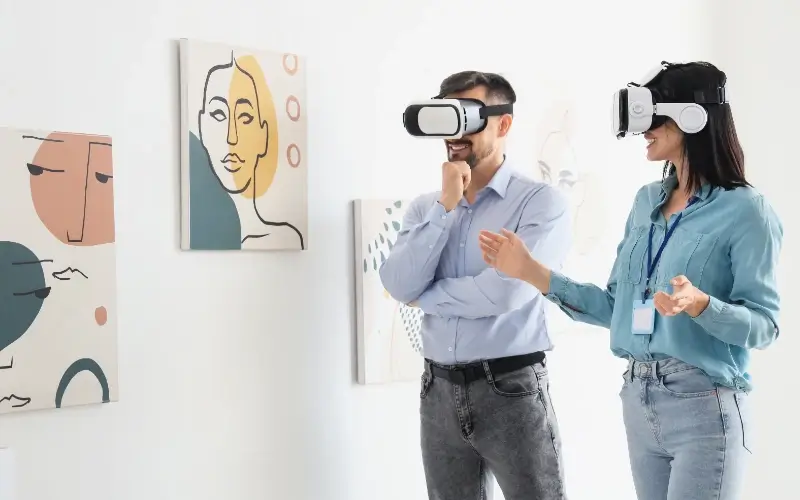
The conversation has moved past going virtual as a backup plan. Moving forward, the most successful digital venues will prioritize intentional design over flashy tech.
- Hybrid-First as Standard: Organizers are moving away from choosing one format over the other. Instead, the physical event provides the high-energy magic, while the virtual layer provides global reach and long-term content shelf life.
- Data-Driven Personalization: AI will move from a buzzword to a subtle friction-reducer. Imagine attendees receiving "Recommended for You" booth lists and networking lounges based on professional interests and past behavior.
- Purposeful Immersion: 3D and spatial networking will become more specialized. High-end visual environments will be used selectively for showcases, while browser-based simplicity remains the priority for broad accessibility.
- The "Always-On" Model: Exhibitions are shifting from time-bound events to year-round hubs. By keeping booths and resources accessible on-demand, you turn a one-off experience into a sustained community.
The Shift That Makes Virtual Exhibitions Work
Virtual exhibitions succeed the moment you stop treating them as digital copies of physical halls and start playing by a new set of rules. Online, attention is your most valuable currency. You don't win by stacking on more features, but by designing a journey that feels effortless.
If you take one thing from this guide, let it be this: success comes from alignment. When your goals, exhibitor setup, attendee experience, and follow-up all point in the same direction, the event feels effortless for participants and measurable for stakeholders.
And if you want to see what that looks like in practice, Remo makes it easy to build virtual exhibitions that feel social, intuitive, and genuinely interactive, without overwhelming people with complexity. Book a demo to explore floor plans, booths, and engagement flows you can use for your next online exhibition.
Frequently Asked Questions About Virtual Exhibitions
1. How do you create a virtual art exhibition?
A virtual art exhibition is created by selecting a digital platform, curating artworks into virtual galleries or booths, adding visual and contextual content (images, descriptions, videos), and designing a clear navigation flow for visitors. The focus is on storytelling, presentation quality, and ease of exploration.
2. How long should a virtual exhibition last?
Virtual exhibitions often run shorter live schedules than physical ones but may stay open on demand for days or weeks to extend engagement.
3. Can virtual exhibitions be hybrid?
Yes. Many exhibitions combine in-person and virtual components, allowing remote audiences to participate alongside physical attendees.
4. Can you make money from a virtual exhibition?
Yes. Virtual exhibitions can generate revenue through exhibitor fees, sponsorships, ticketing, on-demand content access, and digital product or service sales.
Aniqa Iqbal
Aniqa is a content writer at Remo, where she merges her love for storytelling from movies and TV shows with her passion for creating compelling content. With a knack for blending pop culture references and relatable narratives, Aniqa crafts content that informs and resonates deeply with readers. She aims to strike a chord with her audience, fostering genuine connections through words that inspire, engage, and entertain. When she's not writing, Aniqa can be found binge-watching her favorite shows, always on the lookout for the next story to tell.